#ClimateInflation, 2023 #Food edition
-
"The study ... finds that under just 1.5°C of warming, more than half of the studied crops would suffer from an overall loss of potential suitable cropland, compared to the current climate.
The most affected crops are wheat, barley, soya beans, lentils and potatoes.
Beyond 2°C warming, the declines in suitable areas for the 30 crops become more pronounced – in some cases approaching and passing 50 per cent, the study notes."

Half of global croplands could see a drop in suitable crops at 2°C of warming
More than half of global cropland areas could see a decline in the number of suitable crops under a warming scenario of 2°C, new research finds.
Eco-Business (www.eco-business.com)
Climate change threatens Latin American banana exports
"A study published in Nature Food has found that by 2080, rising temperatures will lead to a 60 per cent reduction in suitable areas for export #banana production in #LatinAmerica and the #Caribbean without urgent interventions to tackle #ClimateChange.
Yield declines are expected in most of the region’s current banana-growing areas."
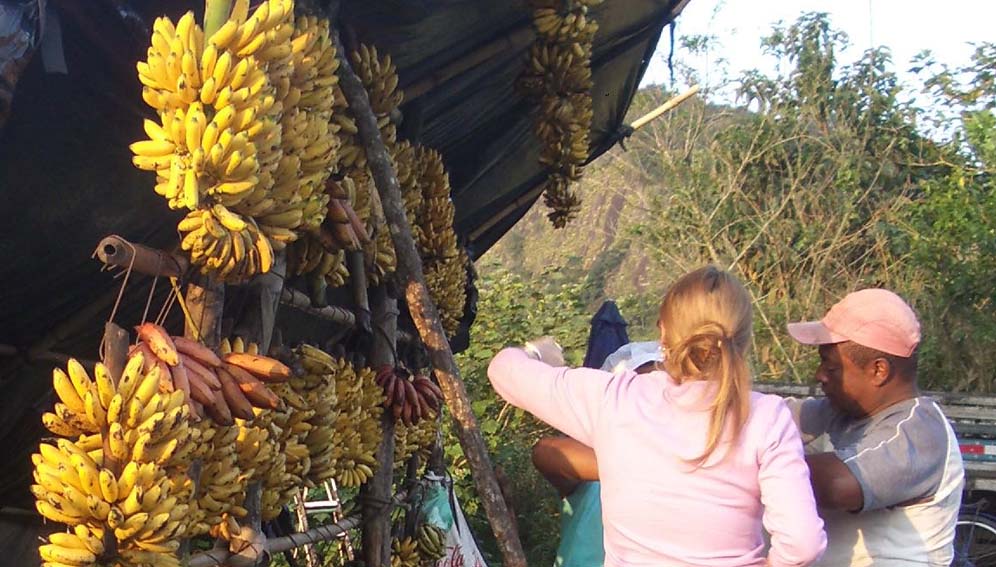
Climate change threatens Latin American banana exports
Climate change will make large swathes of Latin America unsuitable for banana production without urgent intervention, say researchers.
SciDev.Net (www.scidev.net)
-
Climate change threatens Latin American banana exports
"A study published in Nature Food has found that by 2080, rising temperatures will lead to a 60 per cent reduction in suitable areas for export #banana production in #LatinAmerica and the #Caribbean without urgent interventions to tackle #ClimateChange.
Yield declines are expected in most of the region’s current banana-growing areas."
Climate change threatens Latin American banana exports
Climate change will make large swathes of Latin America unsuitable for banana production without urgent intervention, say researchers.
SciDev.Net (www.scidev.net)
Less coffee, more chocolate (both more expensive)
"This changing #climate has made mid-altitude lands, once dominated by #coffee, ideal for cacao. But economics also plays a role in this switch, say researchers. #Cacao prices have increased in the last year and some farmers find it too hard to manage the costs of controlling more pests on their coffee crops as temperatures get warmer."

Colombian farmers switch from coffee to cacao as temperature and prices soar
Environmental science and conservation news
Conservation news (news.mongabay.com)
-
Less coffee, more chocolate (both more expensive)
"This changing #climate has made mid-altitude lands, once dominated by #coffee, ideal for cacao. But economics also plays a role in this switch, say researchers. #Cacao prices have increased in the last year and some farmers find it too hard to manage the costs of controlling more pests on their coffee crops as temperatures get warmer."
Colombian farmers switch from coffee to cacao as temperature and prices soar
Environmental science and conservation news
Conservation news (news.mongabay.com)
"Global yields of wheat are around 10% lower now than they would have been without the influence of climate change, according to a new study.
The study also assesses the impacts that warming and vapour pressure deficit – a key driver of plant water stress – have on crop yields.
The models show that these effects may be the main driver of losses in grain yield, with heat having a more “indirect effect”, as higher temperatures drive water stress. "
https://www.carbonbrief.org/global-wheat-yields-would-be-10-higher-without-climate-change/
#ClimateInflation -
"Global yields of wheat are around 10% lower now than they would have been without the influence of climate change, according to a new study.
The study also assesses the impacts that warming and vapour pressure deficit – a key driver of plant water stress – have on crop yields.
The models show that these effects may be the main driver of losses in grain yield, with heat having a more “indirect effect”, as higher temperatures drive water stress. "
https://www.carbonbrief.org/global-wheat-yields-would-be-10-higher-without-climate-change/
#ClimateInflationClimate change threatens banana exports, key to the Latin American economy
A study indicates that rising temperatures threaten 60% of the area suitable for growing the tropical fruit
https://english.elpais.com/climate/2025-06-07/climate-change-threatens-banana-exports-key-to-the-latin-american-economy.html
#ClimateInflation -
Climate change threatens banana exports, key to the Latin American economy
A study indicates that rising temperatures threaten 60% of the area suitable for growing the tropical fruit
https://english.elpais.com/climate/2025-06-07/climate-change-threatens-banana-exports-key-to-the-latin-american-economy.html
#ClimateInflationRapidly Increasing Soil Salinity Threatens Global Food Supply: UN Report
"The report, Global Status of Salt-Affected Soils, found that roughly 3.41 billion acres — 10.7 percent of land worldwide — is impacted by salinity, with another 2.47 billion acres classified as “at risk,” reported The Guardian."

Rapidly Increasing Soil Salinity Threatens Global Food Supply: UN Report - EcoWatch
The rapidly increasing amount of land affected by excess salt will lead to potentially devastating effects on global food production.

EcoWatch (www.ecowatch.com)
[Reminder that nearly half the US corn crop is grown for corn ethanol additives to gasoline.
Maybe grow less food for cars, more for people.] -
Rapidly Increasing Soil Salinity Threatens Global Food Supply: UN Report
"The report, Global Status of Salt-Affected Soils, found that roughly 3.41 billion acres — 10.7 percent of land worldwide — is impacted by salinity, with another 2.47 billion acres classified as “at risk,” reported The Guardian."
Rapidly Increasing Soil Salinity Threatens Global Food Supply: UN Report - EcoWatch
The rapidly increasing amount of land affected by excess salt will lead to potentially devastating effects on global food production.
EcoWatch (www.ecowatch.com)
[Reminder that nearly half the US corn crop is grown for corn ethanol additives to gasoline.
Maybe grow less food for cars, more for people.]"Rising global temperatures are set to devastate food crops across the world.
One of the striking findings of the study is that some of the wealthiest countries are likely to be hardest hit.
The only staple crop that might be able to avoid substantial losses is rice, which can benefit from warmer nighttime temperatures."
-
"Rising global temperatures are set to devastate food crops across the world.
One of the striking findings of the study is that some of the wealthiest countries are likely to be hardest hit.
The only staple crop that might be able to avoid substantial losses is rice, which can benefit from warmer nighttime temperatures."
"While producers struggle to harvest the same amounts of food in the face of droughts, heat waves, and hurricanes, shoppers are more likely to face climbing food prices.
[A study of ] caloric output of agricultural production found that for every additional degree Celsius of warming, the global food system will produce roughly 120 fewer calories per person per day.
[At 3C warming], that’s the equivalent of everyone on the planet missing out on breakfast."
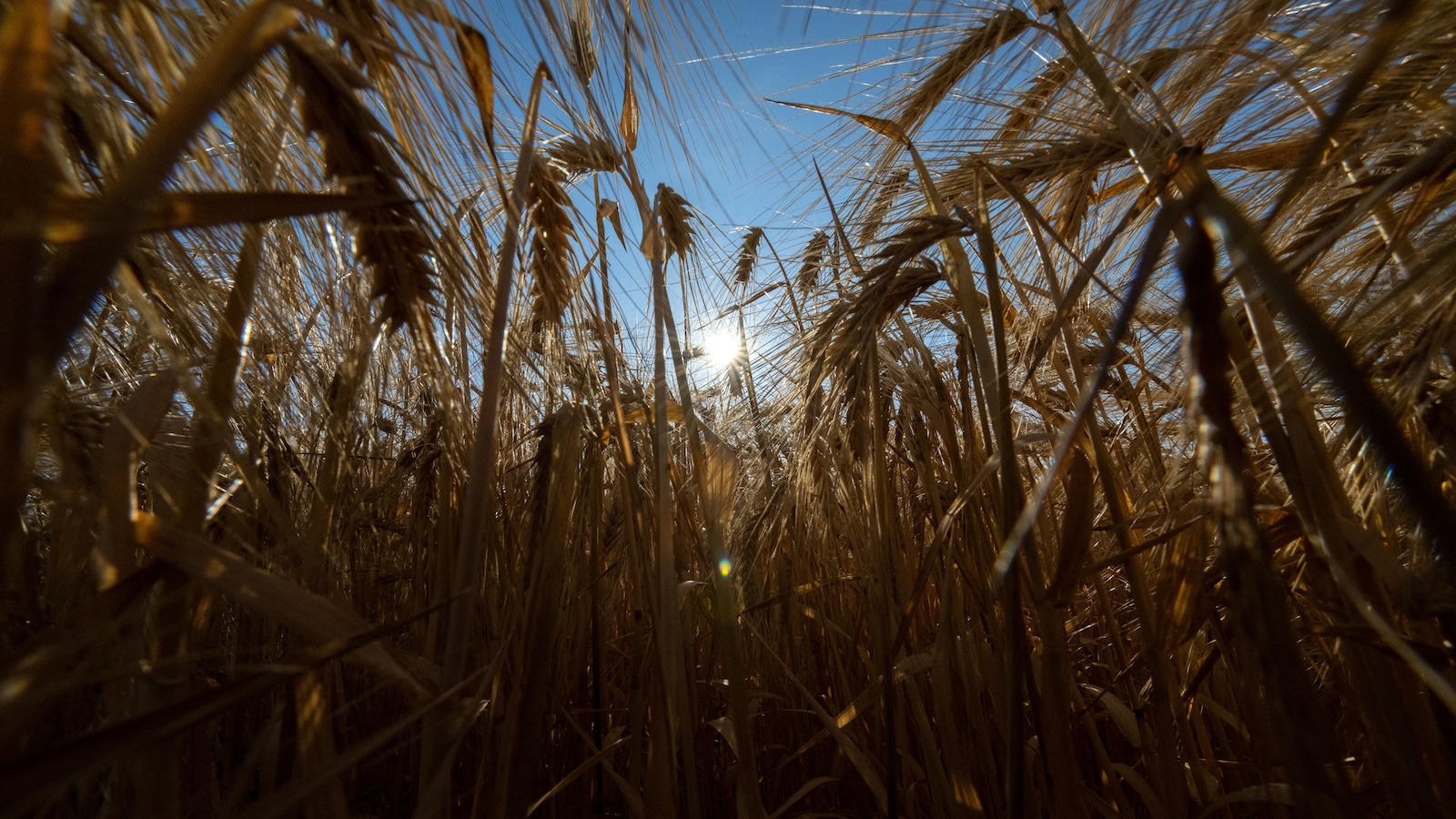
What does climate change mean for agriculture? Less food and more emissions.
New research sheds light on how rising temperatures are squeezing farmers and raising prices for consumers.

Grist (grist.org)
-
"While producers struggle to harvest the same amounts of food in the face of droughts, heat waves, and hurricanes, shoppers are more likely to face climbing food prices.
[A study of ] caloric output of agricultural production found that for every additional degree Celsius of warming, the global food system will produce roughly 120 fewer calories per person per day.
[At 3C warming], that’s the equivalent of everyone on the planet missing out on breakfast."
What does climate change mean for agriculture? Less food and more emissions.
New research sheds light on how rising temperatures are squeezing farmers and raising prices for consumers.
Grist (grist.org)
"Drought is pushing tens of millions of people to the edge of starvation around the world, in a foretaste of a global crisis that is rapidly deepening with climate breakdown.
More than 90 million people in eastern and southern Africa are facing extreme hunger after record-breaking drought across many areas, ensuing widespread crop failures and the death of livestock. In Somalia, a quarter of the population is now edging towards starvation."

Droughts worldwide pushing tens of millions towards starvation, says report
Water shortages hitting crops, energy and health as crisis gathers pace amid climate breakdown
the Guardian (www.theguardian.com)
-
"Drought is pushing tens of millions of people to the edge of starvation around the world, in a foretaste of a global crisis that is rapidly deepening with climate breakdown.
More than 90 million people in eastern and southern Africa are facing extreme hunger after record-breaking drought across many areas, ensuing widespread crop failures and the death of livestock. In Somalia, a quarter of the population is now edging towards starvation."
Droughts worldwide pushing tens of millions towards starvation, says report
Water shortages hitting crops, energy and health as crisis gathers pace amid climate breakdown
the Guardian (www.theguardian.com)
"By early 2024, Morocco had experienced six consecutive years of drought, leading to a 57% water deficit. In Spain, a 50% fall in olive production, driven by a lack of rainfall, has caused olive oil prices to double, while in Turkey land degradation has left 88% of the country at risk of desertification, and demands from agriculture have emptied aquifers. Dangerous sinkholes have opened up as a result of overextraction."
Droughts worldwide pushing tens of millions towards starvation, says report
Water shortages hitting crops, energy and health as crisis gathers pace amid climate breakdown
the Guardian (www.theguardian.com)
-
"By early 2024, Morocco had experienced six consecutive years of drought, leading to a 57% water deficit. In Spain, a 50% fall in olive production, driven by a lack of rainfall, has caused olive oil prices to double, while in Turkey land degradation has left 88% of the country at risk of desertification, and demands from agriculture have emptied aquifers. Dangerous sinkholes have opened up as a result of overextraction."
Droughts worldwide pushing tens of millions towards starvation, says report
Water shortages hitting crops, energy and health as crisis gathers pace amid climate breakdown
the Guardian (www.theguardian.com)
"Statistics Korea cited climate as a factor in last month's rise in consumer prices. Radish prices jumped 54 percent year-on-year, and shredded squid rose 39.9 percent, with surging prices in seafood and livestock products contributing significantly to inflation.
“Radish and napa cabbage shipments declined due to frequent heavy rains and abnormal temperatures, causing prices to spike. Seafood catches have fallen due to rising sea temperatures.”"https://koreajoongangdaily.joins.com/news/2025-07-04/business/economy/Grocery-prices-overheat-as-climate-change-hurts-yields-with-no-relief-in-sight/2345789
#ClimateInflation -
"Statistics Korea cited climate as a factor in last month's rise in consumer prices. Radish prices jumped 54 percent year-on-year, and shredded squid rose 39.9 percent, with surging prices in seafood and livestock products contributing significantly to inflation.
“Radish and napa cabbage shipments declined due to frequent heavy rains and abnormal temperatures, causing prices to spike. Seafood catches have fallen due to rising sea temperatures.”"https://koreajoongangdaily.joins.com/news/2025-07-04/business/economy/Grocery-prices-overheat-as-climate-change-hurts-yields-with-no-relief-in-sight/2345789
#ClimateInflation"A [new] study directly links dozens of climate extremes to sharp food price spikes, highlighting the increasing vulnerability of food systems to environmental shocks.
Previous studies have examined how high temperatures, which cause waning yields and supply shortages, drive general food price inflation over the long term. However, the new research shows that specific food items also experience much steeper short-term price spikes which feed into inflation."
-
"A [new] study directly links dozens of climate extremes to sharp food price spikes, highlighting the increasing vulnerability of food systems to environmental shocks.
Previous studies have examined how high temperatures, which cause waning yields and supply shortages, drive general food price inflation over the long term. However, the new research shows that specific food items also experience much steeper short-term price spikes which feed into inflation."
"The cost of a wide range of goods – from vegetables in California to coffee in Brazil – saw dramatic spikes in recent years due to weather conditions that were “so extreme they exceeded all historical precedent prior to 2020,” according to [a new] study.
By driving up food prices extreme weather conditions can also worsen overall inflation, which can lead to political unrest and social upheaval, the researchers noted."
https://www.cnn.com/2025/07/21/business/food-prices-climate-change-intl
#ClimateInflation -
"The cost of a wide range of goods – from vegetables in California to coffee in Brazil – saw dramatic spikes in recent years due to weather conditions that were “so extreme they exceeded all historical precedent prior to 2020,” according to [a new] study.
By driving up food prices extreme weather conditions can also worsen overall inflation, which can lead to political unrest and social upheaval, the researchers noted."
https://www.cnn.com/2025/07/21/business/food-prices-climate-change-intl
#ClimateInflation"Soaring food prices have been a major concern for consumers around the world since around 2021, with prices rising due to extreme weather fuelled by climate change, higher production costs and Russia’s invasion of Ukraine – among other factors. "
https://www.carbonbrief.org/mapped-16-times-extreme-weather-drove-higher-food-prices-since-2022/
#ClimateInflation -
"Soaring food prices have been a major concern for consumers around the world since around 2021, with prices rising due to extreme weather fuelled by climate change, higher production costs and Russia’s invasion of Ukraine – among other factors. "
https://www.carbonbrief.org/mapped-16-times-extreme-weather-drove-higher-food-prices-since-2022/
#ClimateInflation"Both extreme weather and food costs have been on the rise in recent years.
Research suggests it’s more than just coincidence that the price increases and weather extremes are coming together. A report published Monday in the journal Environmental Research Letters shows how extreme weather events is correlated to specific food price spikes in the immediate aftermath."
TIME | Current & Breaking News | National & World Updates
Breaking news and analysis from TIME.com. Politics, world news, photos, video, tech reviews, health, science and entertainment news.

(time.com)
-
"Both extreme weather and food costs have been on the rise in recent years.
Research suggests it’s more than just coincidence that the price increases and weather extremes are coming together. A report published Monday in the journal Environmental Research Letters shows how extreme weather events is correlated to specific food price spikes in the immediate aftermath."
TIME | Current & Breaking News | National & World Updates
Breaking news and analysis from TIME.com. Politics, world news, photos, video, tech reviews, health, science and entertainment news.
(time.com)
"A warming planet with intensifying extreme weather is also affecting the price of your steak and hamburgers.
After years of drought, pastures haven’t been producing enough grass to feed cattle. So ranchers have been sending their animals to the slaughterhouse earlier, cutting back herds even as Americans eat more beef. This is sending prices to record highs."
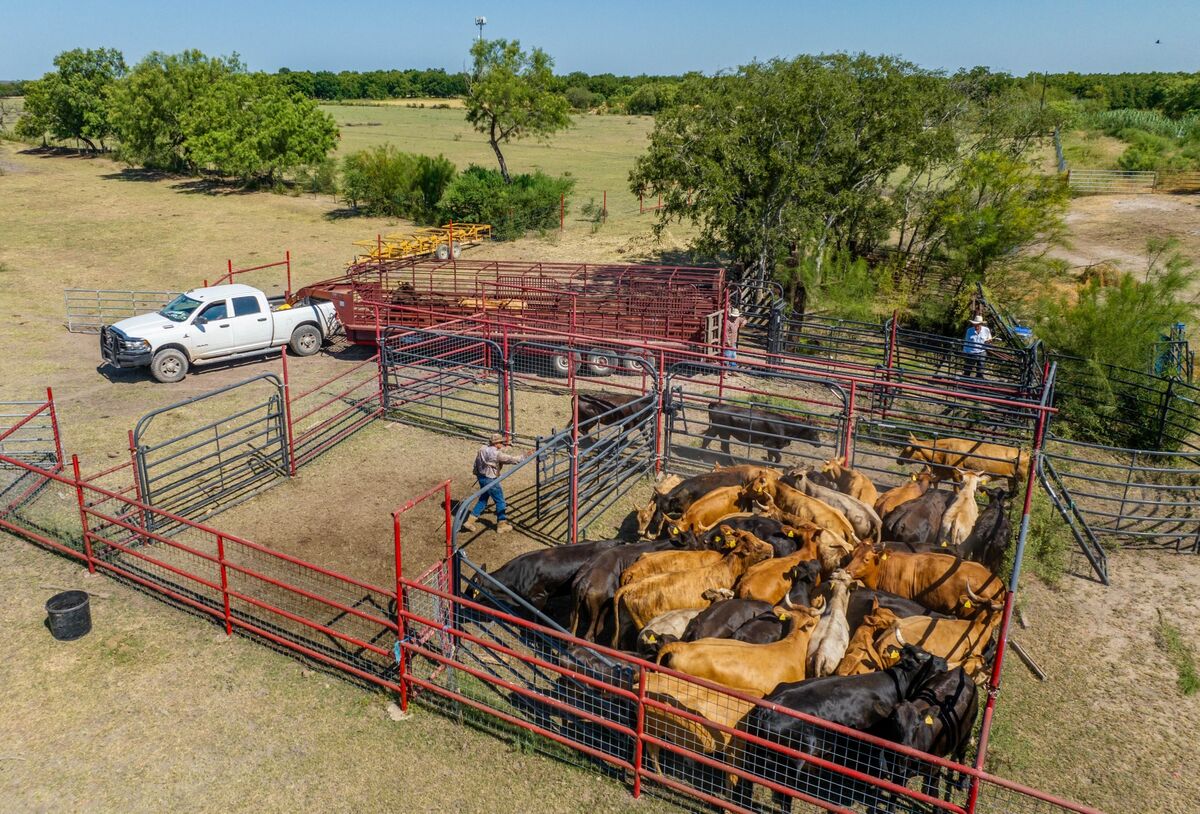
Why Burgers Cost So Much Right Now
Droughts, heat waves and floods are raising food prices.

Bloomberg.com (www.bloomberg.com)
-
"A warming planet with intensifying extreme weather is also affecting the price of your steak and hamburgers.
After years of drought, pastures haven’t been producing enough grass to feed cattle. So ranchers have been sending their animals to the slaughterhouse earlier, cutting back herds even as Americans eat more beef. This is sending prices to record highs."
Why Burgers Cost So Much Right Now
Droughts, heat waves and floods are raising food prices.
Bloomberg.com (www.bloomberg.com)
(Soon: add in the effects of tariffs, nothing to do with climate change).
"U.S. imports of Brazilian beef have plummeted 80% in just three months, as President Donald Trump’s tariff crackdown begins to bite. Shipments tumbled from 47,800 tons in April — when a 10% tariff took effect — to just 9,700 tons so far in July. The looming 50% surcharge, scheduled for Aug. 1, is already reshaping trade flows and forcing exporters to reroute containers to beat the deadline."
Weekly global protein digest: US beef imports from Brazil collapse amid tariff shock
Livestock analyst Jim Wyckoff reports on global protein news

(www.thebeefsite.com)
-
(Soon: add in the effects of tariffs, nothing to do with climate change).
"U.S. imports of Brazilian beef have plummeted 80% in just three months, as President Donald Trump’s tariff crackdown begins to bite. Shipments tumbled from 47,800 tons in April — when a 10% tariff took effect — to just 9,700 tons so far in July. The looming 50% surcharge, scheduled for Aug. 1, is already reshaping trade flows and forcing exporters to reroute containers to beat the deadline."
Weekly global protein digest: US beef imports from Brazil collapse amid tariff shock
Livestock analyst Jim Wyckoff reports on global protein news
(www.thebeefsite.com)
We can eat differently, and better:
"This is a story of exploration, adaptation and improved health, not one of abstinence.
By transforming how we grow food and what we eat – rather than letting climate change dictate the pace of change – we have so much to gain. If you are a proponent for less but better meat, for increased crop diversity or organic food, then the answer is more plants in our diets."
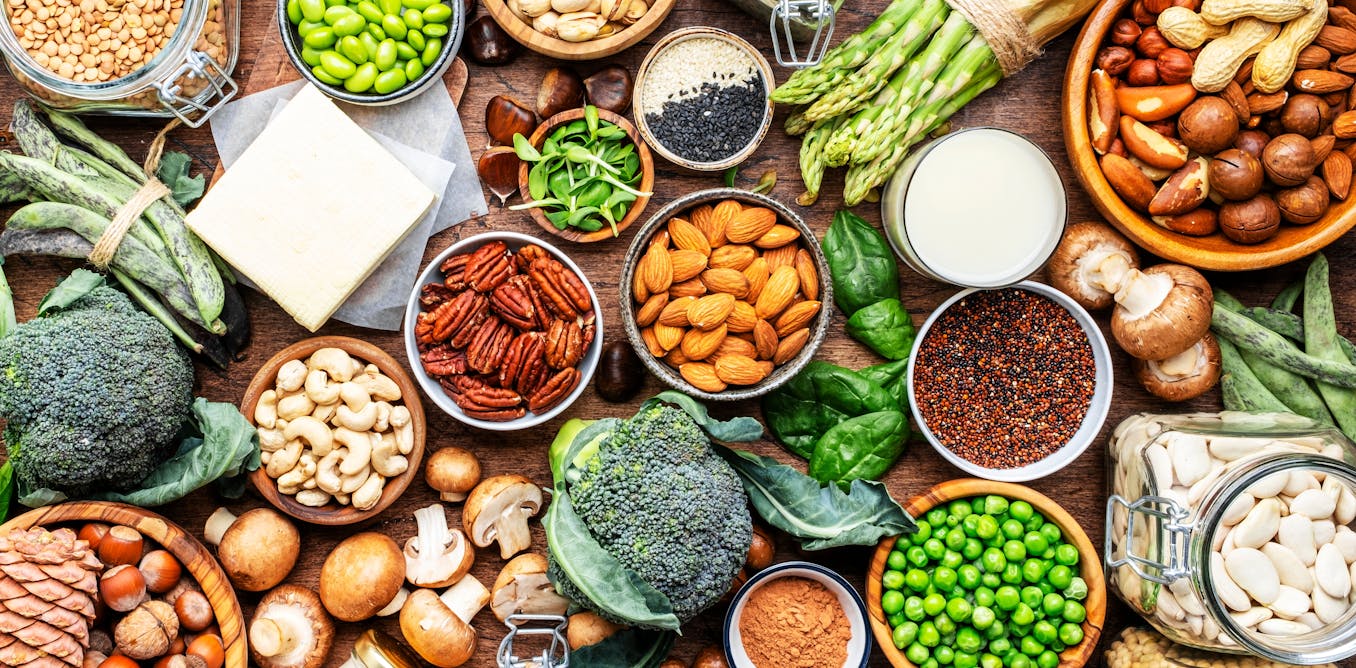
By changing our diets now, we can avoid the food chaos that climate change is bringing
By choosing to transform how we grow food and what we eat – rather than letting climate change dictate the pace of change – we have so much to gain.

The Conversation (theconversation.com)
-
We can eat differently, and better:
"This is a story of exploration, adaptation and improved health, not one of abstinence.
By transforming how we grow food and what we eat – rather than letting climate change dictate the pace of change – we have so much to gain. If you are a proponent for less but better meat, for increased crop diversity or organic food, then the answer is more plants in our diets."
By changing our diets now, we can avoid the food chaos that climate change is bringing
By choosing to transform how we grow food and what we eat – rather than letting climate change dictate the pace of change – we have so much to gain.
The Conversation (theconversation.com)
"Climate change is contributing to a global shortage of the world’s most consumed fruit.
Bananas are the fourth most important food crop globally, with more than 400 million people relying on the fruit for 15% to 27% of their daily calories, and they’re not the only crop at risk.
Climate models show that mitigation efforts are the best ways we can reduce climate impacts on our food supply."
https://time.com/7310462/banana-supply-climate-change/
#ClimateInflation -
"Climate change is contributing to a global shortage of the world’s most consumed fruit.
Bananas are the fourth most important food crop globally, with more than 400 million people relying on the fruit for 15% to 27% of their daily calories, and they’re not the only crop at risk.
Climate models show that mitigation efforts are the best ways we can reduce climate impacts on our food supply."
https://time.com/7310462/banana-supply-climate-change/
#ClimateInflation"The struggles [of farmers in the south of Europe] mean the price of wine, olives, citrus fruits and vegetables are expected to continue to rise, as droughts, flash floods and high temperatures affect traditional crops in the Mediterranean.
However, the more the climate crisis progresses the harder it becomes to adapt and the more costly it becomes."
https://www.theguardian.com/environment/2025/aug/25/we-cannot-do-it-the-way-our-fathers-did-farmers-across-europe-struggle-to-adapt-to-the-climate-crisis
#ClimateInflation -
"The struggles [of farmers in the south of Europe] mean the price of wine, olives, citrus fruits and vegetables are expected to continue to rise, as droughts, flash floods and high temperatures affect traditional crops in the Mediterranean.
However, the more the climate crisis progresses the harder it becomes to adapt and the more costly it becomes."
https://www.theguardian.com/environment/2025/aug/25/we-cannot-do-it-the-way-our-fathers-did-farmers-across-europe-struggle-to-adapt-to-the-climate-crisis
#ClimateInflation"For every degree of warming, the study estimates year-to-year variability in crop yields will increase by 7% for corn (maize), 19% for soybeans and 10% for sorghum.
They identified “increased covariance of temperature and water stresses as a substantial and previously unquantified driver of future increases in yield variance.”"
https://cosmosmagazine.com/earth/climate/crop-failures-climate-change/