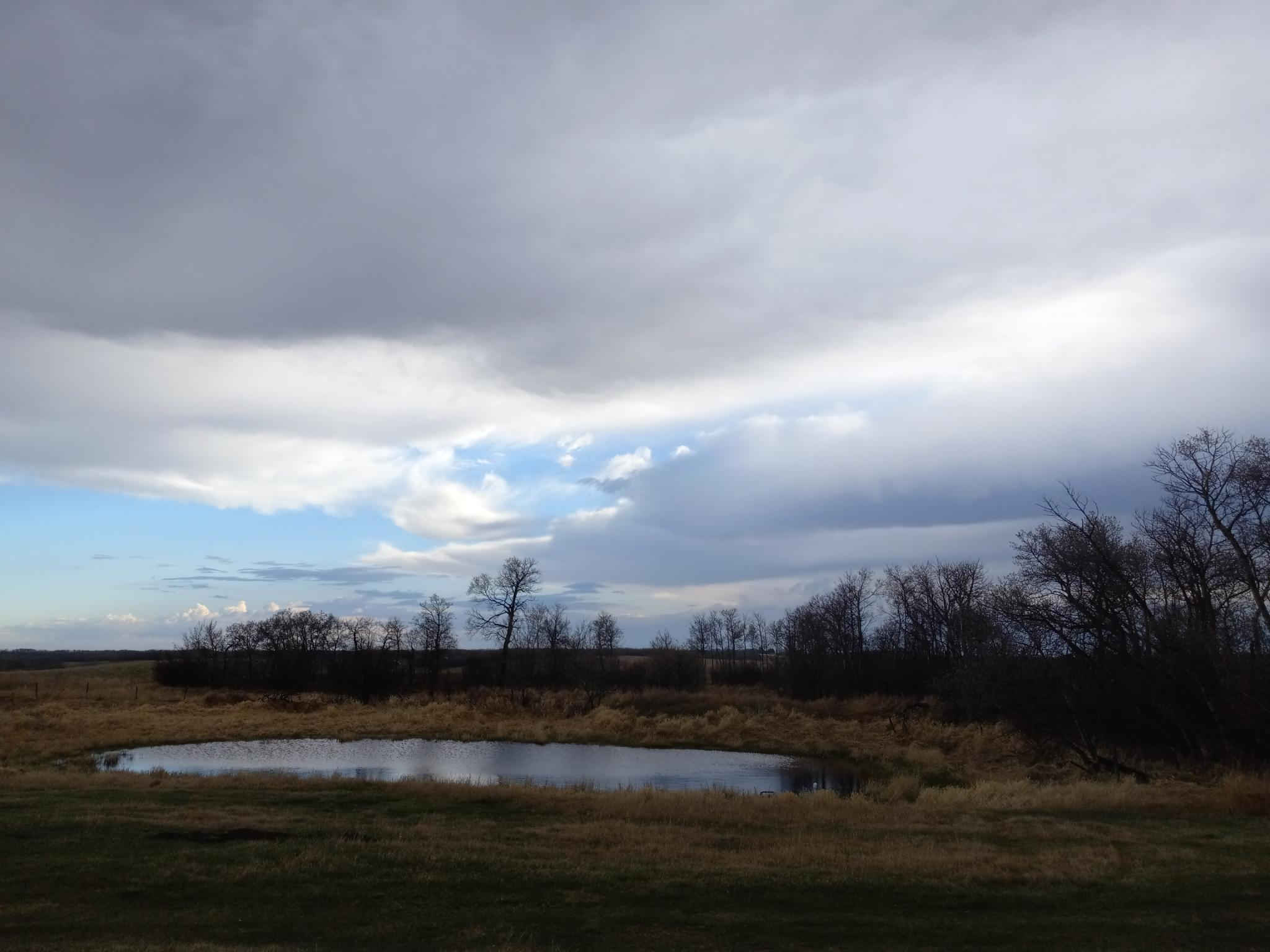
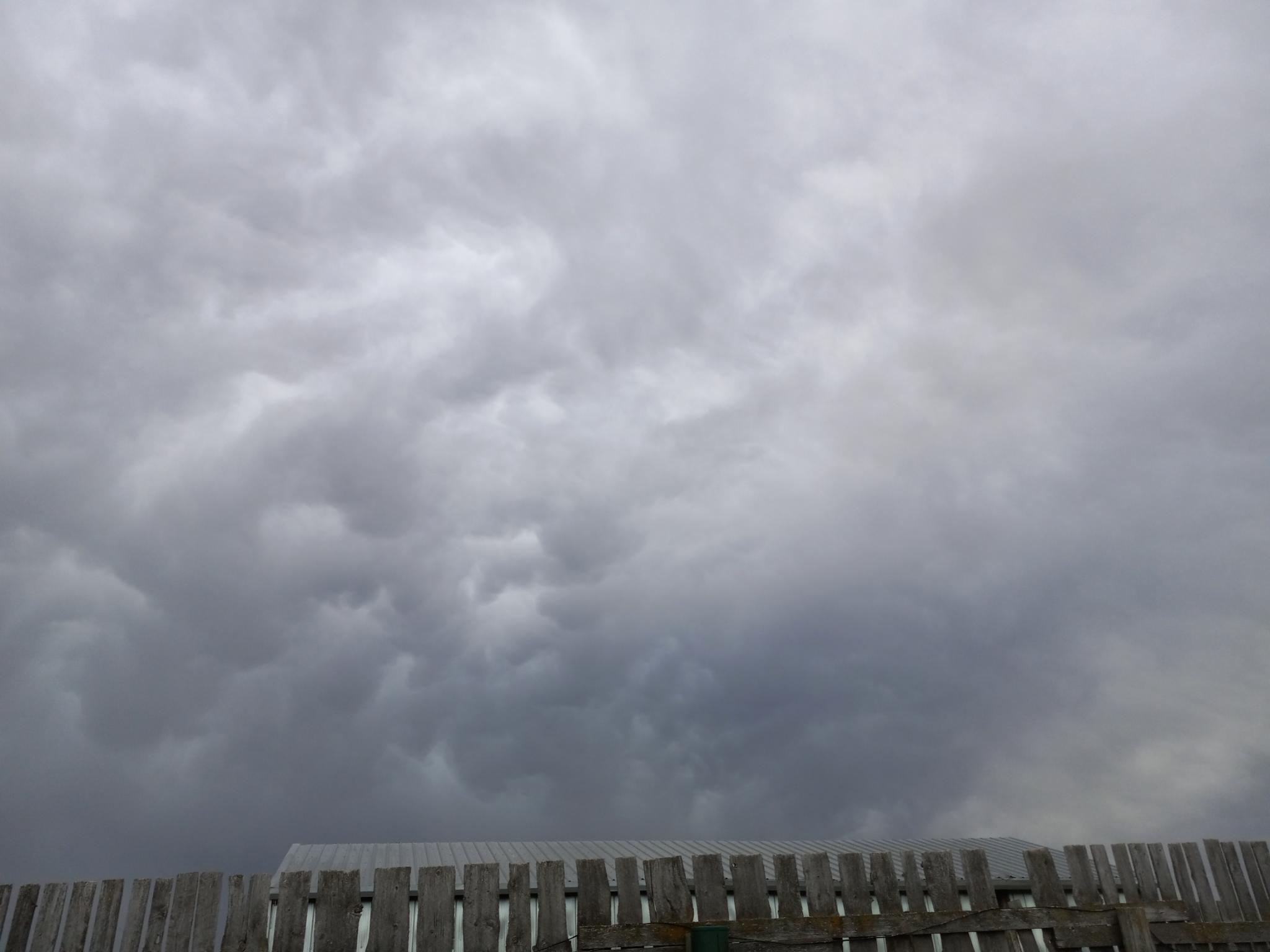
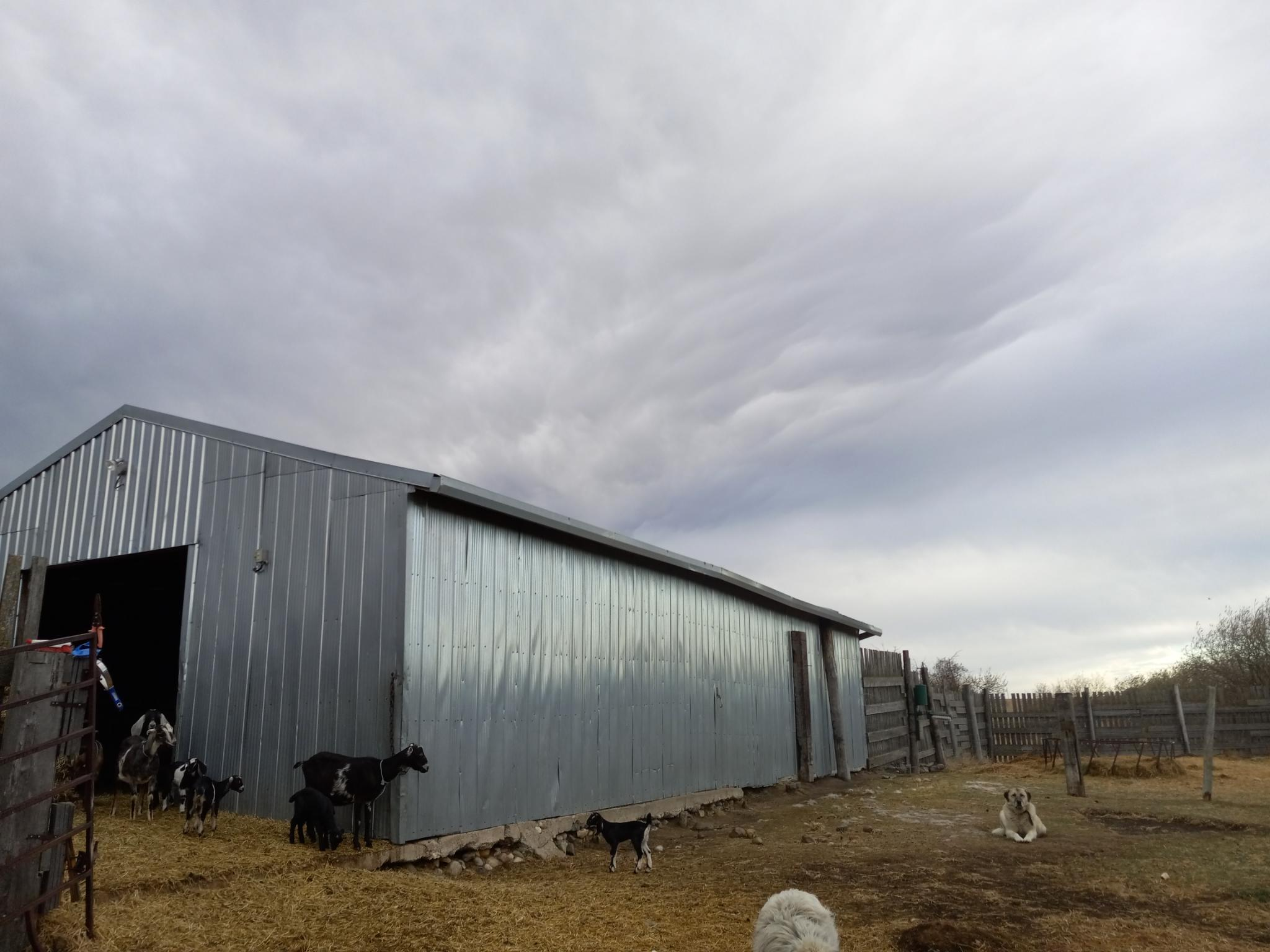
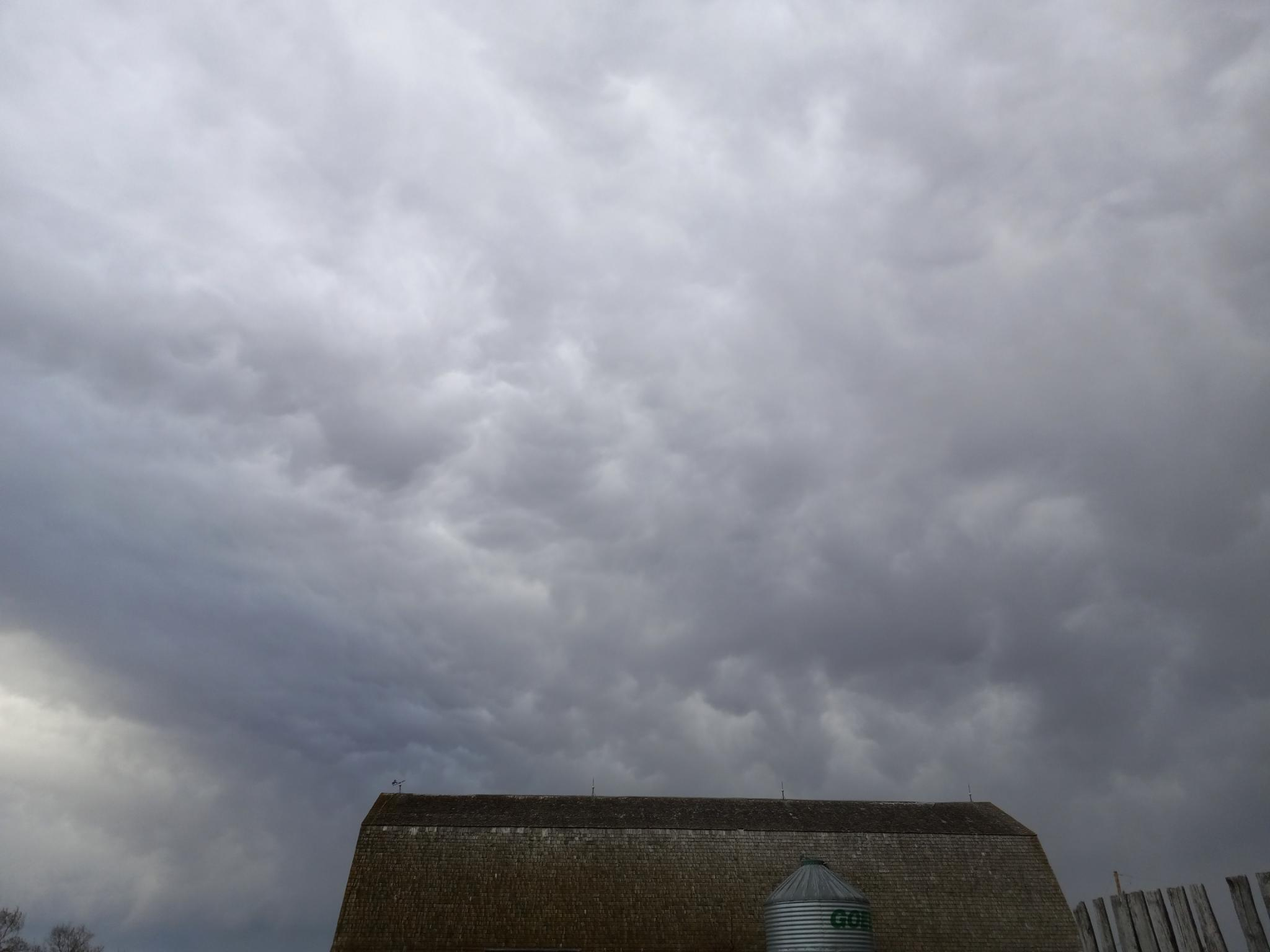
It's a Good Cloud Day.
-
Interview 2 went much better (which is good, Saskatoon is where it's most likely that pieces would be found, if there are any pieces) and I remembered to say the email address I want people to send possible space junk finds to! AND I got a better camera setup and actually brushed my hair. But I'm somehow going to end up on CBC national news in my ratty farm sweatshirt AGAIN aren't I?
@sundogplanets the plus side is you won’t look like a slick PR shill.
-
A scary quick calculation: there are 10,375 Starlink satellites in orbit https://planet4589.org/space/con/conlist.html, all coming down within 5 years.
That's an *average* of 5 or 6 a day for the next 5 years. And the v2's are bigger than the v1's. v2's are (conservatively) 1000kg and (conservatively) half aluminum. That's 2.5-3 tonnes of aluminum per day. 8 times the natural infall rate of aluminum (and there's lots of other scary things like lithium). What will that do to our atmosphere?
SpaceX is awful.
@sundogplanets As a Chinese citizen, I hope to one day use Starlink to bypass the GFW and access the open Internet. SpaceX is doing amazing work!
-
@sundogplanets As a Chinese citizen, I hope to one day use Starlink to bypass the GFW and access the open Internet. SpaceX is doing amazing work!
@nixzhu I'm sorry that's what you are forced to depend on. Enjoy it before SpaceX starts Kessler Syndrome, I guess?
-
August 5, 2026 isn't that far away ...
"There Will Come Soft Rains" by Ray Bradbury
https://www.btboces.org/Downloads/7_There%20Will%20Come%20Soft%20Rains%20by%20Ray%20Bradbury.pdf@albertcardona @sundogplanets Also have an animated version
- YouTube
Auf YouTube findest du die angesagtesten Videos und Tracks. Außerdem kannst du eigene Inhalte hochladen und mit Freunden oder gleich der ganzen Welt teilen.

(www.youtube.com)
-
Had the idea it involved an ablation cascade aka Kessel syndrome.
@angelastella @Perrin42 @sundogplanets
Of a rather larger initial mass!
The Moon. -
Interview 2 went much better (which is good, Saskatoon is where it's most likely that pieces would be found, if there are any pieces) and I remembered to say the email address I want people to send possible space junk finds to! AND I got a better camera setup and actually brushed my hair. But I'm somehow going to end up on CBC national news in my ratty farm sweatshirt AGAIN aren't I?
@sundogplanets IDK I feel like the ratty farm sweatshirt helps your message feel authentic
"I came to Saskatchewan to raise goats and watch stars BUT THESE JERKS STARTED DROPPING STUFF" is compelling
-
@angelastella @Perrin42 @sundogplanets
Of a rather larger initial mass!
The Moon.@Photo55 @Perrin42 @sundogplanets
Remembering now! yeah, I really must read the book.
-
@sundogplanets As a Chinese citizen, I hope to one day use Starlink to bypass the GFW and access the open Internet. SpaceX is doing amazing work!
@nixzhu
But you don't need anything in low earth orbit ( #LEO ) for that.
Arthur C Clarke originally pointed out that 3 satellites in the geostationary orbit could provide up, down, and sideways, communication for the whole planet surface.You probably want a shorter delay and a lower power budget for your relay than that, but I submit that you do not need to reduce either to the levels LEO allows. Something between GEO and LEO would work nicely and be easier to track for comms.
-
A scary quick calculation: there are 10,375 Starlink satellites in orbit https://planet4589.org/space/con/conlist.html, all coming down within 5 years.
That's an *average* of 5 or 6 a day for the next 5 years. And the v2's are bigger than the v1's. v2's are (conservatively) 1000kg and (conservatively) half aluminum. That's 2.5-3 tonnes of aluminum per day. 8 times the natural infall rate of aluminum (and there's lots of other scary things like lithium). What will that do to our atmosphere?
SpaceX is awful.
@sundogplanets
unintended terraforming?
"Scientists are eager to understand how these particles of aerospace debris interact with other aerosols in the stratosphere because of anticipated increases in space traffic and their potential impact on the ozone layer. They also want to explore the impact of possible future proposals to seed the stratosphere with millions of tons of sulfur aerosols to slow the rate of global warming by reflecting sunlight back to space."
https://research.noaa.gov/noaa-scientists-link-exotic-metal-particles-in-the-upper-atmosphere-to-rockets-satellites/ -
@Photo55 @Perrin42 @sundogplanets
Remembering now! yeah, I really must read the book.
@angelastella
It is really quite good.Separately, one of the discussions I've seen in #SciFi is of the minimum size of society for prolonged survival in Space.
Large. -
A scary quick calculation: there are 10,375 Starlink satellites in orbit https://planet4589.org/space/con/conlist.html, all coming down within 5 years.
That's an *average* of 5 or 6 a day for the next 5 years. And the v2's are bigger than the v1's. v2's are (conservatively) 1000kg and (conservatively) half aluminum. That's 2.5-3 tonnes of aluminum per day. 8 times the natural infall rate of aluminum (and there's lots of other scary things like lithium). What will that do to our atmosphere?
SpaceX is awful.
@sundogplanets Also, every piece of aluminum that they burn or drop in the ocean is aluminum that could be used for other things.
A very productive mine in Australia is closing because it's run out of ore. Copper mines are extracting ever larger amounts of rock to get smaller specks of copper sulphate.
There's no thought for the future. -
@angelastella
It is really quite good.Separately, one of the discussions I've seen in #SciFi is of the minimum size of society for prolonged survival in Space.
Large.I remember a good discussion about that topic on Charles Stross' weblog. If the idea is having modern industry, it could run to millions.
-
A scary quick calculation: there are 10,375 Starlink satellites in orbit https://planet4589.org/space/con/conlist.html, all coming down within 5 years.
That's an *average* of 5 or 6 a day for the next 5 years. And the v2's are bigger than the v1's. v2's are (conservatively) 1000kg and (conservatively) half aluminum. That's 2.5-3 tonnes of aluminum per day. 8 times the natural infall rate of aluminum (and there's lots of other scary things like lithium). What will that do to our atmosphere?
SpaceX is awful.
@sundogplanets Horrible!
-
@sundogplanets As a Chinese citizen, I hope to one day use Starlink to bypass the GFW and access the open Internet. SpaceX is doing amazing work!
@nixzhu @sundogplanets We just need heavy industry in orbit so that the potential and kinetic energy of those satellites can be recycled.
-
I remember a good discussion about that topic on Charles Stross' weblog. If the idea is having modern industry, it could run to millions.
@angelastella
That's the one.
Various scifi authors have introduced ideas - rather deus ex machina ones - to reduce the number of bodies required to hold thouse skills and functions.
I suppose now YouTube etc is a bit of a start -
@albertcardona @sundogplanets Also have an animated version
- YouTube
Auf YouTube findest du die angesagtesten Videos und Tracks. Außerdem kannst du eigene Inhalte hochladen und mit Freunden oder gleich der ganzen Welt teilen.
(www.youtube.com)
@spottyfox @albertcardona @sundogplanets
Apparently Bradbury was very popular in the Eastern Bloc. There's also a live-action Soviet Martian Chronicles. (And a bunch more. Low-budget not-very-good F 451, decent Veldt, etc.)
-
@angelastella
That's the one.
Various scifi authors have introduced ideas - rather deus ex machina ones - to reduce the number of bodies required to hold thouse skills and functions.
I suppose now YouTube etc is a bit of a startSharing practical knowledge is a must. And it's the kind of thing we already do, not like molecular nanotechnology enabling cornucopia machines, or either versatile robots, or something else.
-
@nixzhu I'm sorry that's what you are forced to depend on. Enjoy it before SpaceX starts Kessler Syndrome, I guess?
@sundogplanets If the Kessler Syndrome actually triggers, we’ll just have to launch a fleet of specialized 'cleaner satellites' to clear the debris field and restore the orbit.
-
August 5, 2026 isn't that far away ...
"There Will Come Soft Rains" by Ray Bradbury
https://www.btboces.org/Downloads/7_There%20Will%20Come%20Soft%20Rains%20by%20Ray%20Bradbury.pdf@albertcardona @sundogplanets Love this! Love Bradbury's crisp writing style and searing cynicism. Thanks!
-
@sundogplanets If the Kessler Syndrome actually triggers, we’ll just have to launch a fleet of specialized 'cleaner satellites' to clear the debris field and restore the orbit.
@nixzhu Good luck inventing that.