Upon leaving Château de Peyrepertuse bound for Carcassonne we took the D14, a narrow winding backroad between hills cloaked in forest & meadows, intermittently punctuated with small villages.
-
Upon leaving Château de Peyrepertuse bound for Carcassonne we took the D14, a narrow winding backroad between hills cloaked in forest & meadows, intermittently punctuated with small villages. One such village is Bugarach, on the outskirts of which is a 700m path to Pont Romain, a single-arch stone bridge across a limestone basin on the Roman road linking the village to Rennes-les-Bains (
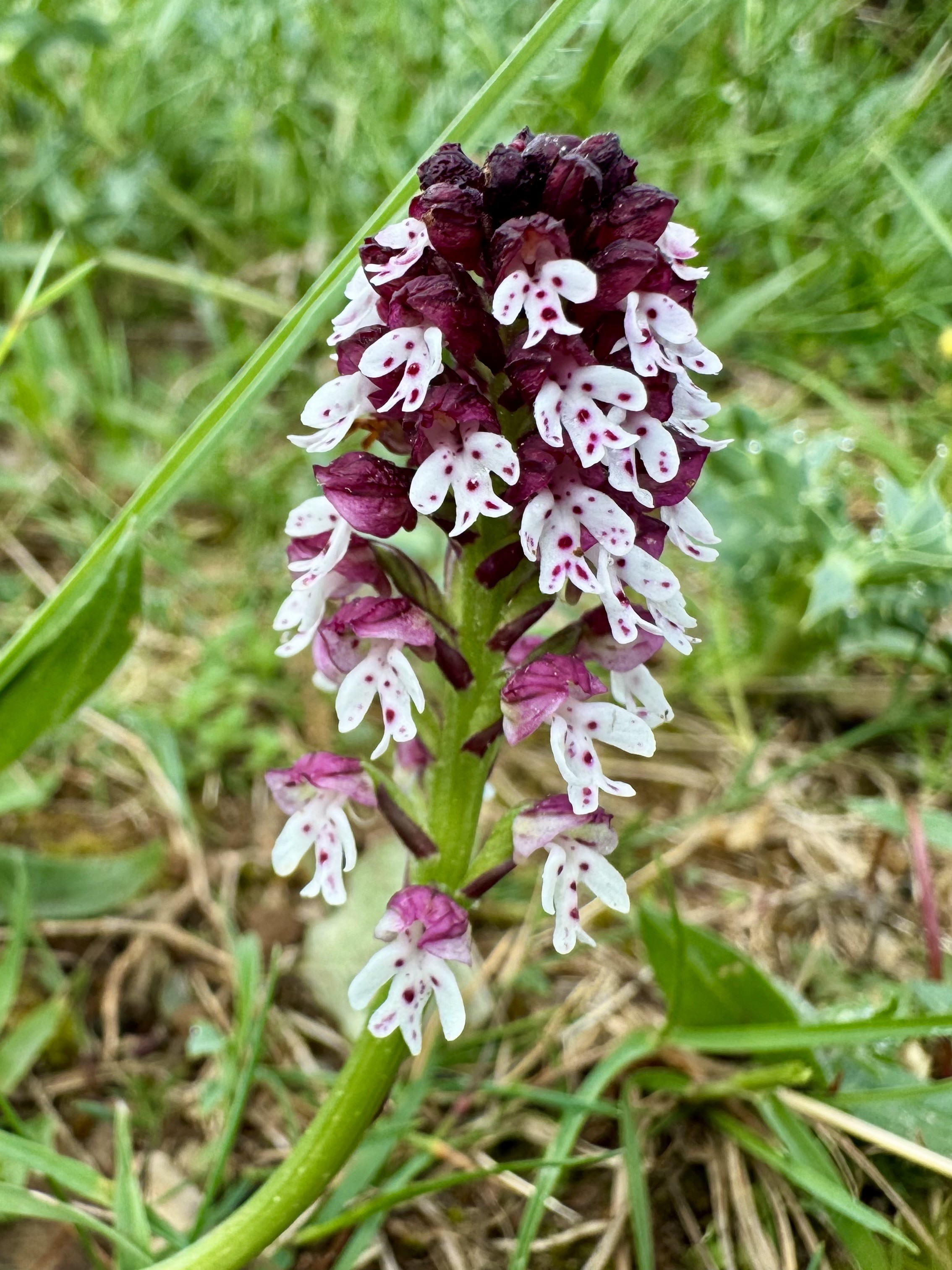
 1). Although the original was probably Gallo-Roman, it was destroyed in 1992 by flooding but faithfully restored the following year. What caught our eye was the trailside orchids, 3 of which were new to us. All native, first up is Neotinea ustulata | the
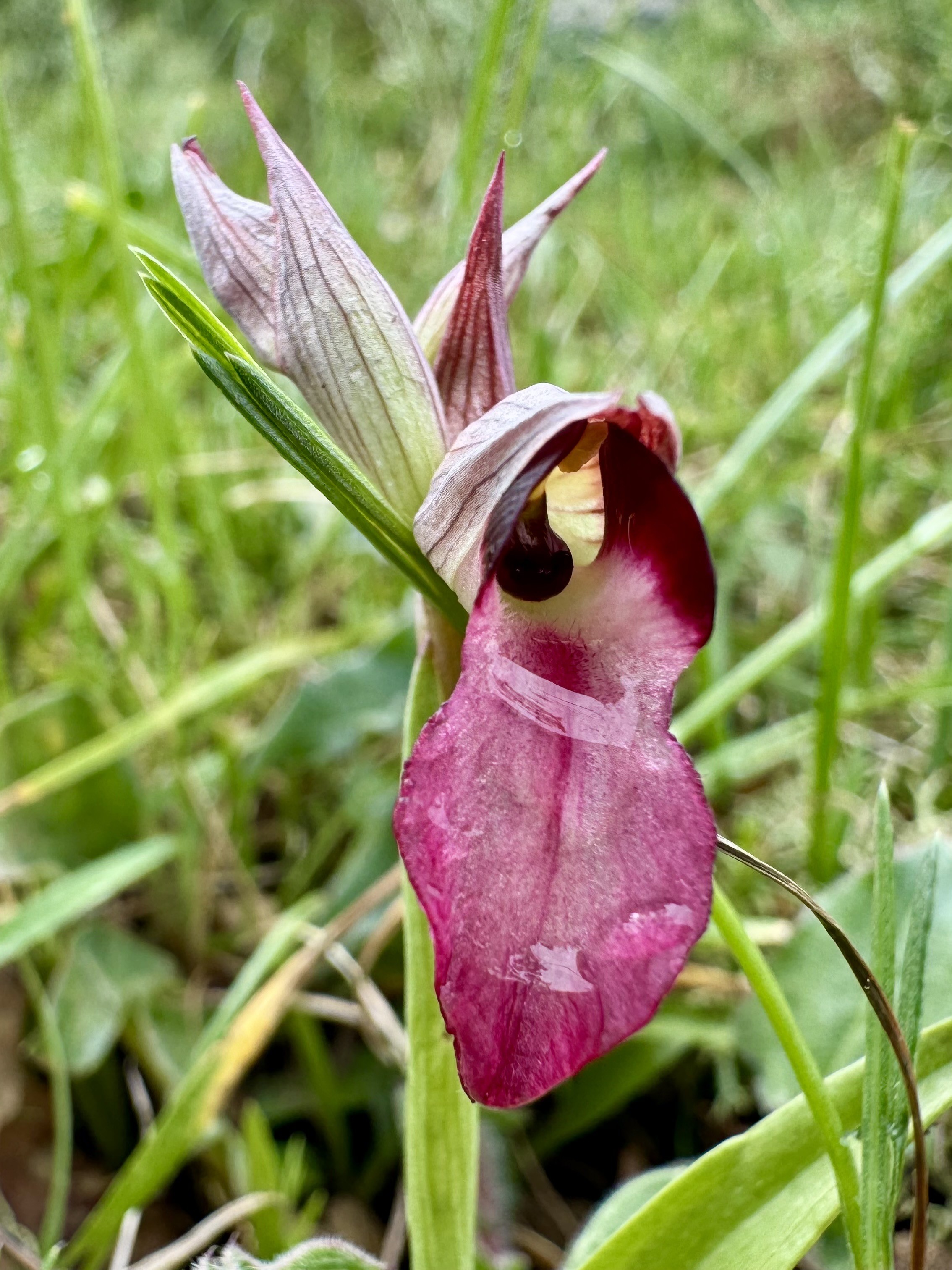
  burnt-tip orchid, which can be found up to 2,400m elevation in the mountains of central & southern Europe (2). The aptly-named Serapias lingua |
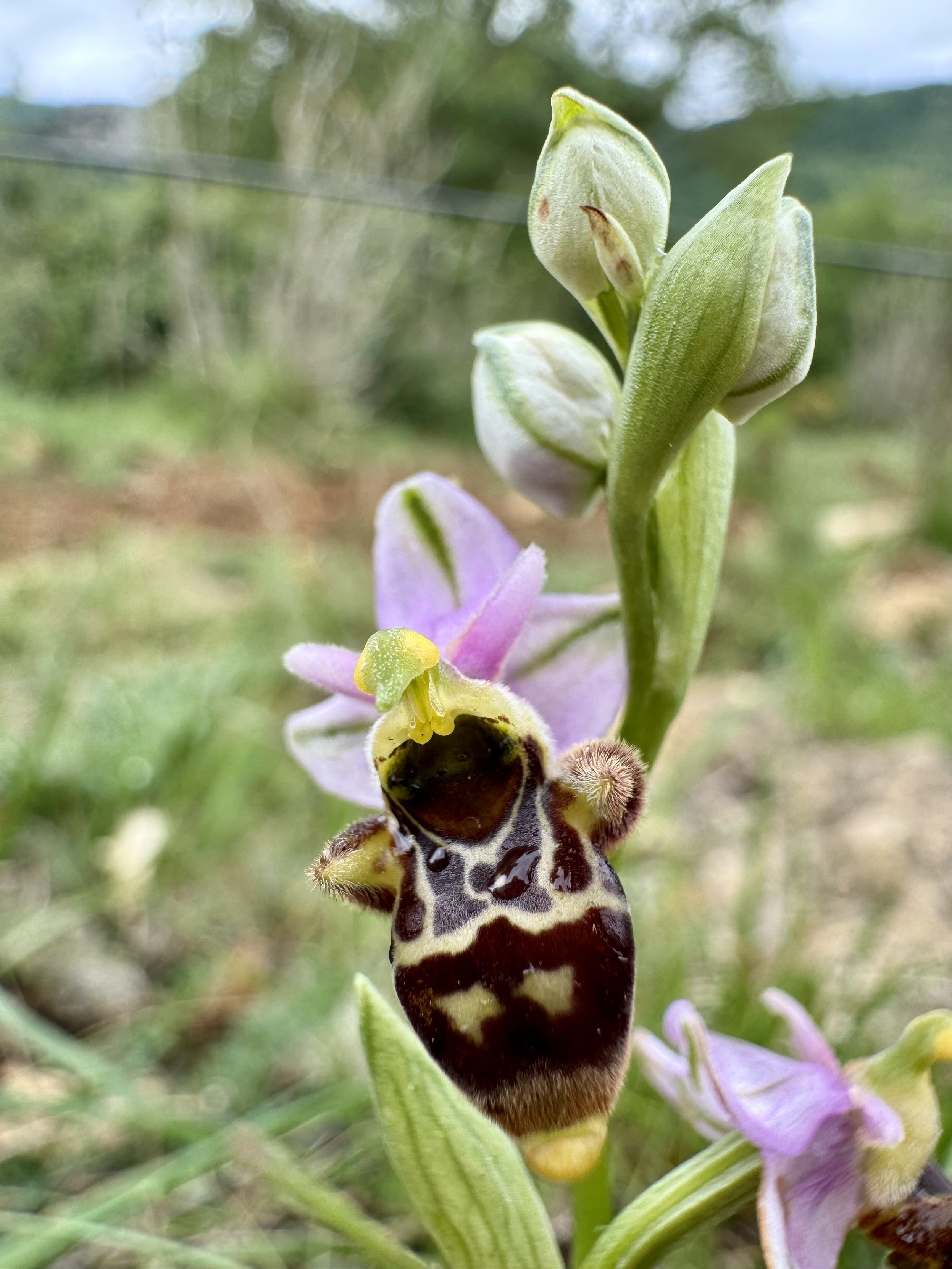
  tongue orchid is found throughout the Mediterranean (3). Ophrys scolopax | the woodcock orchid is recognisably a
  bee orchid given its morphology (4); it can be found in both the Mediterranean & Middle East. We also re-identified Orchis mascula | the early-purple orchid.
 #france #occitanie
  #europe
  #travel
  #camperVan #nomad #roadTrip #vanLife
  ️ #roman
  #bloomScrolling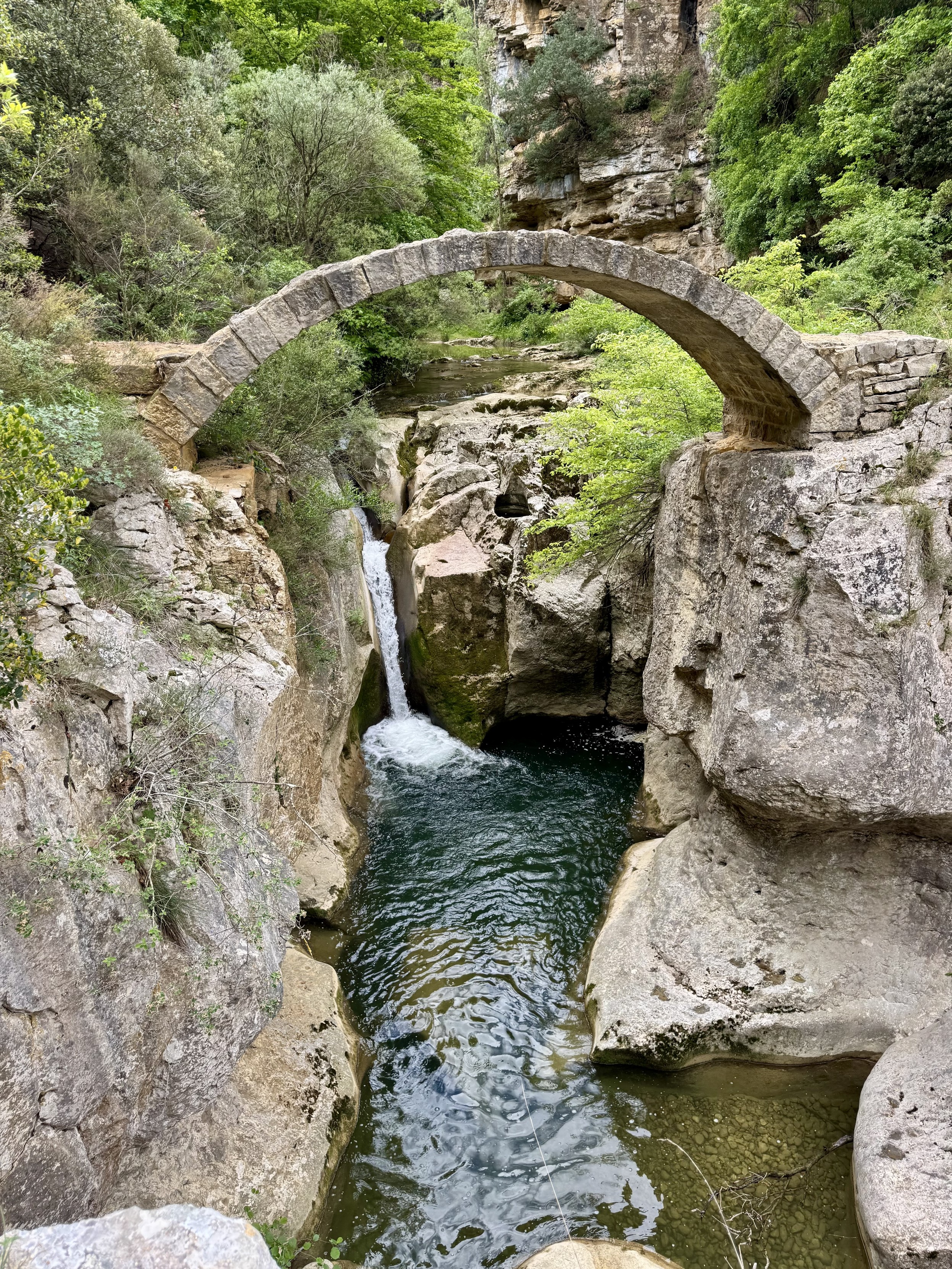
-
R relay@relay.mycrowd.ca shared this topic