Skip to content
  • 0 Votes
    2 Posts
    4 Views
    saarmuller@mastodon.socialS
    @oCDo Of you ever return here: look up Domaine de Pradines. A really fantastically wide open camping on the Causses south of this gorge.
  • 0 Votes
    1 Posts
    2 Views
    ocdo@mastodon.nzO
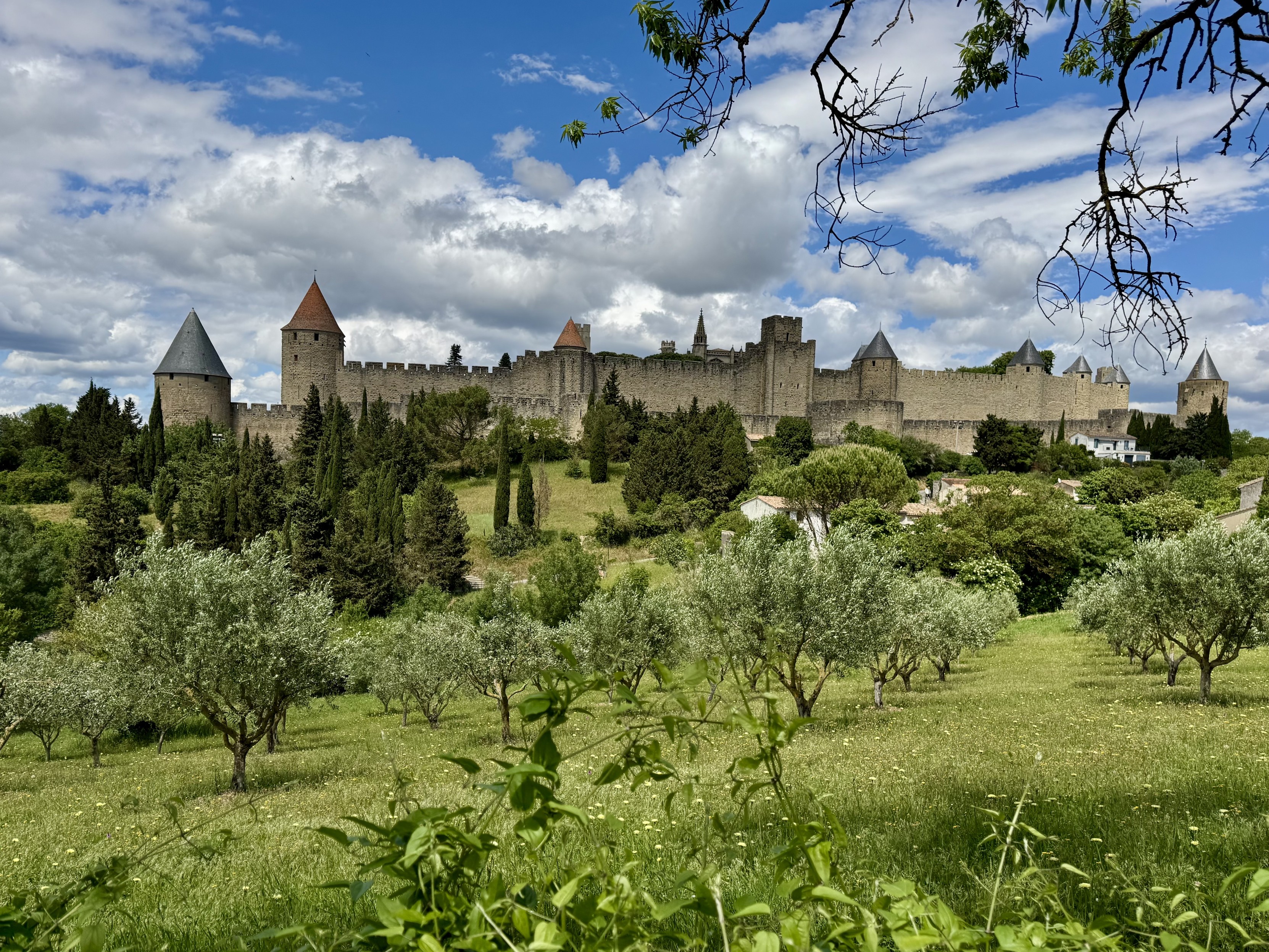
    Cité de Carcassonne is a UNESCO World Heritage Site, listed as an outstanding example of a medieval fortified town (1). First fortified in the Gallo-Roman period ~3rd–4th C. CE, it underwent extensive restorations in the 19th C. Set upon a hill overlooking the modern urban sprawl, the compact site is protected by ~3km of double walls & 52 defensive towers (2); it’s 19 € pp to walk the ramparts/ visit the restored château, but free to walk between the rows (without climbing on the outer battlements). The enclosed town is very touristy, filled with trinket shops & eateries, but also offers some architectural curiosities (3). Later, at nearby Trèbes, we walked alongside Canal du Midi, a ~360km network of navigable waterways linking the Atlantic (via Garonne) to the Mediterranean using locks, aqueducts, bridges & reservoirs. The canal is also a UNESCO World Heritage Site, created through the vision of Pierre-Paul Riquet during 1667–94. The Trèbes Orbiel aqueduct (4) was designed by Vauban in 1688 & the town’s staircase lock dates from ~1674. #france #occitanie #europe #travel #camperVan #nomad #roadTrip #vanLife #unesco
  • 0 Votes
    1 Posts
    2 Views
    ocdo@mastodon.nzO
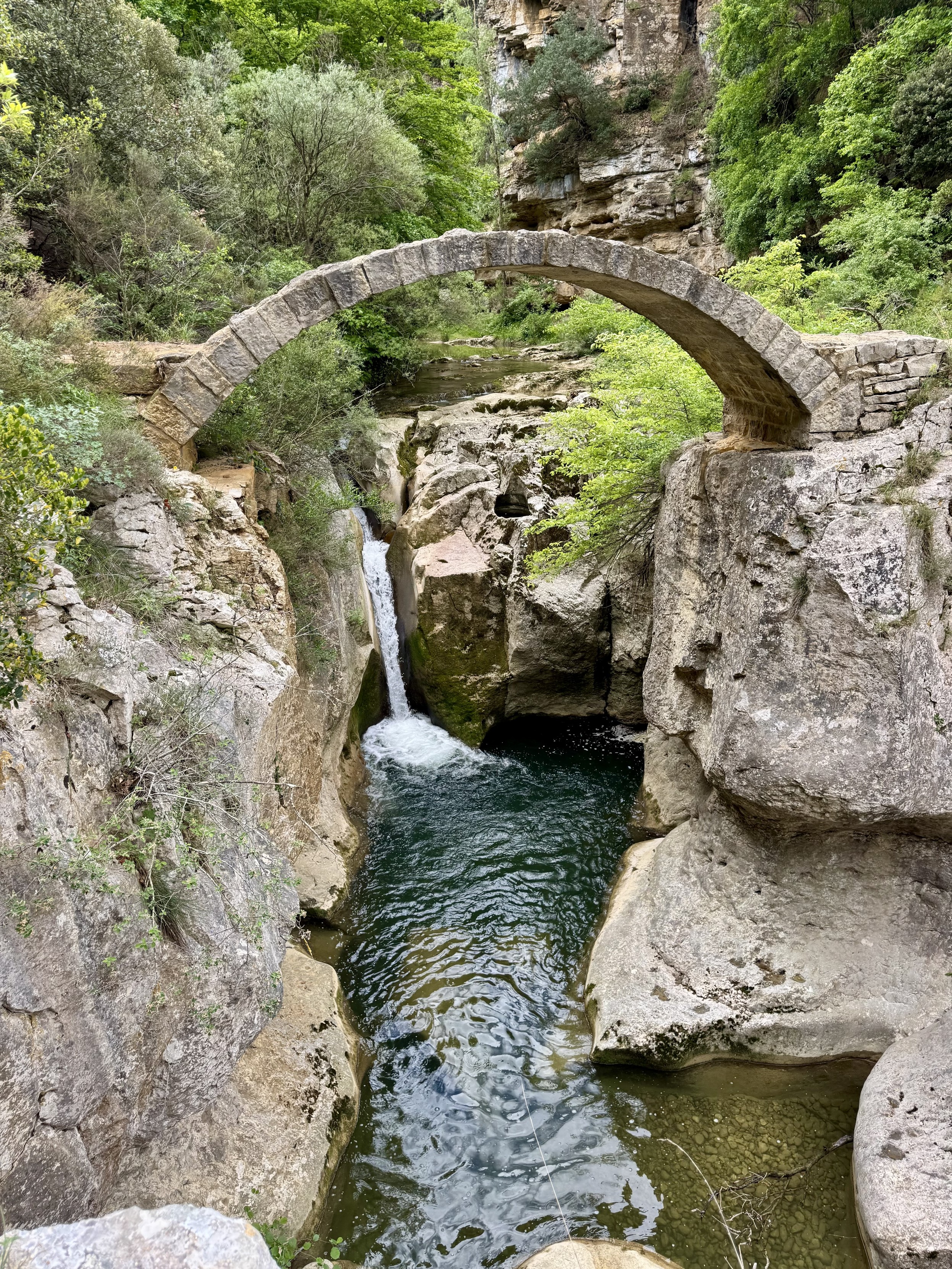
    Upon leaving Château de Peyrepertuse bound for Carcassonne we took the D14, a narrow winding backroad between hills cloaked in forest & meadows, intermittently punctuated with small villages. One such village is Bugarach, on the outskirts of which is a 700m path to Pont Romain, a single-arch stone bridge across a limestone basin on the Roman road linking the village to Rennes-les-Bains (1). Although the original was probably Gallo-Roman, it was destroyed in 1992 by flooding but faithfully restored the following year. What caught our eye was the trailside orchids, 3 of which were new to us. All native, first up is Neotinea ustulata | the burnt-tip orchid, which can be found up to 2,400m elevation in the mountains of central & southern Europe (2). The aptly-named Serapias lingua | tongue orchid is found throughout the Mediterranean (3). Ophrys scolopax | the woodcock orchid is recognisably a bee orchid given its morphology (4); it can be found in both the Mediterranean & Middle East. We also re-identified Orchis mascula | the early-purple orchid. #france #occitanie #europe #travel #camperVan #nomad #roadTrip #vanLife ️ #roman #bloomScrolling
  • 0 Votes
    1 Posts
    0 Views
    ocdo@mastodon.nzO
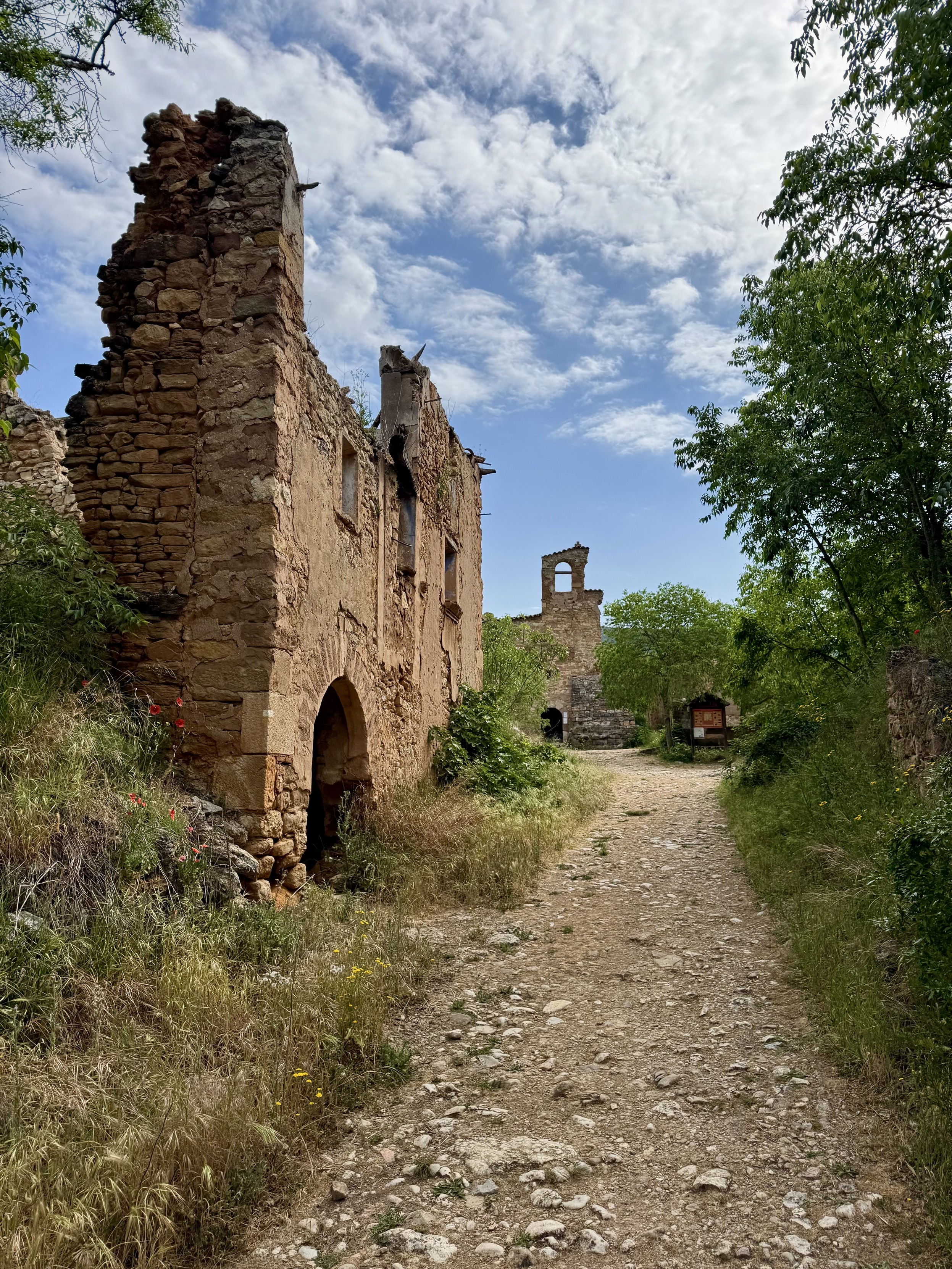
    [1/2] Roques de la Vila is a geological formation also known as Muralla (China) de Finestres | the (Chinese) Wall Of Finestres. We followed online & local advice to ️ at Puente de Penavera, a bridge NE of Estopiñán del Castillo, given the state of the dirt road. The 6.4km drive from our pitch in town took ~30 minutes. Although we sighted the formation ~4.5km into the hike, we first came to the former settlement of Finestres (1). It was depopulated in 1960 due to the filling of the Canelles reservoir; only one house, Casa Coix, is seasonally inhabited. A short & easy signposted walk links the village centre to Ermita de San Marcos | the Hermitage of Saint Mark; this is the best spot for panoramic views of the ~840m long formation (2). Folding of strata ~100 million years ago & subsequent erosion have created two primary parallel lines of vertical limestone that resemble a wall (3). Some of the formation is now partially submerged in the reservoir (4). #spain #aragon #europe #travel #camperVan #nomad #roadTrip #vanLife 🥾 #hiking #nature