Skip to content
  • Categories
  • Recent
  • Tags
  • Popular
  • World
  • Users
  • Groups
Skins
  • Light
  • Brite
  • Cerulean
  • Cosmo
  • Flatly
  • Journal
  • Litera
  • Lumen
  • Lux
  • Materia
  • Minty
  • Morph
  • Pulse
  • Sandstone
  • Simplex
  • Sketchy
  • Spacelab
  • United
  • Yeti
  • Zephyr
  • Dark
  • Cyborg
  • Darkly
  • Quartz
  • Slate
  • Solar
  • Superhero
  • Vapor

  • Default (Cyborg)
  • No Skin
Collapse
Brand Logo

CIRCLE WITH A DOT

  1. Home
  2. Uncategorized
  3. Both the United States and Israel were shaped by political systems built alongside racial hierarchy and contested citizenship.
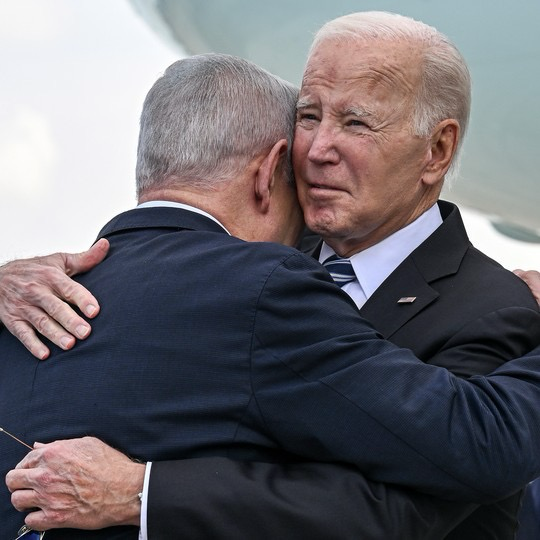
Both the United States and Israel were shaped by political systems built alongside racial hierarchy and contested citizenship.

Scheduled Pinned Locked Moved Uncategorized
iranhistoryhistodonsisraelblackmastodon
23 Posts 7 Posters 5 Views
  • Oldest to Newest
  • Newest to Oldest
  • Most Votes
Reply
  • Reply as topic
Log in to reply
This topic has been deleted. Only users with topic management privileges can see it.
  • deglassco@mastodon.socialD deglassco@mastodon.social

    Still More

    Khalidi, Rashid. Palestinian Identity: The Construction of Modern National Consciousness. New York: Columbia University Press, 1998.

    Lowe, Lisa. The Intimacies of Four Continents. Durham, NC: Duke University Press, 2015.

    Makdisi, Saree. Palestine Inside Out: An Everyday Occupation. New York: W. W. Norton, 2008.

    Mearsheimer, John J. The Tragedy of Great Power Politics. New York: W. W. Norton, 2001.

    9/14

    deglassco@mastodon.socialD This user is from outside of this forum
    deglassco@mastodon.socialD This user is from outside of this forum
    deglassco@mastodon.social
    wrote last edited by
    #10

    And still more

    Mearsheimer, John J., and Sebastian Rosato. How States Think: The Rationality of Foreign Policy. New Haven, CT: Yale University Press, 2023.

    Mearsheimer, John J., and Stephen M. Walt. The Israel Lobby and U.S. Foreign Policy. New York: Farrar, Straus and Giroux, 2007.

    Mitchell, Timothy. Carbon Democracy: Political Power in the Age of Oil. London: Verso, 2011.

    10/14

    deglassco@mastodon.socialD 1 Reply Last reply
    0
    • deglassco@mastodon.socialD deglassco@mastodon.social

      And still more

      Mearsheimer, John J., and Sebastian Rosato. How States Think: The Rationality of Foreign Policy. New Haven, CT: Yale University Press, 2023.

      Mearsheimer, John J., and Stephen M. Walt. The Israel Lobby and U.S. Foreign Policy. New York: Farrar, Straus and Giroux, 2007.

      Mitchell, Timothy. Carbon Democracy: Political Power in the Age of Oil. London: Verso, 2011.

      10/14

      deglassco@mastodon.socialD This user is from outside of this forum
      deglassco@mastodon.socialD This user is from outside of this forum
      deglassco@mastodon.social
      wrote last edited by
      #11

      More than that

      Mitchell, Timothy. Colonising Egypt. Cambridge: Cambridge University Press, 1988.

      Morris, Benny. The Birth of the Palestinian Refugee Problem, 1947–1949. Cambridge: Cambridge University Press, 1988.

      Morris, Benny. 1948: A History of the First Arab-Israeli War. New Haven, CT: Yale University Press, 2008.

      Pappé, Ilan. A History of Modern Palestine: One Land, Two Peoples. Cambridge: Cambridge University Press, 2006.

      11/14

      deglassco@mastodon.socialD 1 Reply Last reply
      0
      • deglassco@mastodon.socialD deglassco@mastodon.social

        More than that

        Mitchell, Timothy. Colonising Egypt. Cambridge: Cambridge University Press, 1988.

        Morris, Benny. The Birth of the Palestinian Refugee Problem, 1947–1949. Cambridge: Cambridge University Press, 1988.

        Morris, Benny. 1948: A History of the First Arab-Israeli War. New Haven, CT: Yale University Press, 2008.

        Pappé, Ilan. A History of Modern Palestine: One Land, Two Peoples. Cambridge: Cambridge University Press, 2006.

        11/14

        deglassco@mastodon.socialD This user is from outside of this forum
        deglassco@mastodon.socialD This user is from outside of this forum
        deglassco@mastodon.social
        wrote last edited by
        #12

        Not finished yet

        Pappé, Ilan. The Ethnic Cleansing of Palestine. Oxford: Oneworld Publications, 2006.

        Pappé, Ilan. The Idea of Israel: A History of Power and Knowledge. London: Verso, 2014.

        Pappé, Ilan. Ten Myths About Israel. London: Verso, 2017.

        Said, Edward W. Covering Islam: How the Media and the Experts Determine How We See the Rest of the World. New York: Pantheon Books, 1981.

        12/14

        deglassco@mastodon.socialD 1 Reply Last reply
        0
        • deglassco@mastodon.socialD deglassco@mastodon.social

          Not finished yet

          Pappé, Ilan. The Ethnic Cleansing of Palestine. Oxford: Oneworld Publications, 2006.

          Pappé, Ilan. The Idea of Israel: A History of Power and Knowledge. London: Verso, 2014.

          Pappé, Ilan. Ten Myths About Israel. London: Verso, 2017.

          Said, Edward W. Covering Islam: How the Media and the Experts Determine How We See the Rest of the World. New York: Pantheon Books, 1981.

          12/14

          deglassco@mastodon.socialD This user is from outside of this forum
          deglassco@mastodon.socialD This user is from outside of this forum
          deglassco@mastodon.social
          wrote last edited by
          #13

          Still not finished

          Said, Edward W. Culture and Imperialism. New York: Alfred A. Knopf, 1993.

          Said, Edward W. Orientalism. New York: Pantheon Books, 1979.

          Said, Edward W. The Question of Palestine. New York: Vintage Books, 1979.

          Shlaim, Avi. Collusion Across the Jordan: King Abdullah, the Zionist Movement, and the Partition of Palestine. New York: Columbia University Press, 1988.

          13/14

          deglassco@mastodon.socialD 1 Reply Last reply
          0
          • deglassco@mastodon.socialD deglassco@mastodon.social

            Still not finished

            Said, Edward W. Culture and Imperialism. New York: Alfred A. Knopf, 1993.

            Said, Edward W. Orientalism. New York: Pantheon Books, 1979.

            Said, Edward W. The Question of Palestine. New York: Vintage Books, 1979.

            Shlaim, Avi. Collusion Across the Jordan: King Abdullah, the Zionist Movement, and the Partition of Palestine. New York: Columbia University Press, 1988.

            13/14

            deglassco@mastodon.socialD This user is from outside of this forum
            deglassco@mastodon.socialD This user is from outside of this forum
            deglassco@mastodon.social
            wrote last edited by
            #14

            Finally finished

            Shlaim, Avi. The Iron Wall: Israel and the Arab World. New York: W. W. Norton, 1999.

            Veracini, Lorenzo. Settler Colonialism: A Theoretical Overview. New York: Palgrave Macmillan, 2010.

            Wolfe, Patrick. Settler Colonialism and the Transformation of Anthropology: The Politics and Poetics of an Ethnographic Event. London: Continuum, 1999.

            14/14

            courtcan@mastodon.socialC drdrowland@fediscience.orgD 2 Replies Last reply
            0
            • deglassco@mastodon.socialD deglassco@mastodon.social

              Finally finished

              Shlaim, Avi. The Iron Wall: Israel and the Arab World. New York: W. W. Norton, 1999.

              Veracini, Lorenzo. Settler Colonialism: A Theoretical Overview. New York: Palgrave Macmillan, 2010.

              Wolfe, Patrick. Settler Colonialism and the Transformation of Anthropology: The Politics and Poetics of an Ethnographic Event. London: Continuum, 1999.

              14/14

              courtcan@mastodon.socialC This user is from outside of this forum
              courtcan@mastodon.socialC This user is from outside of this forum
              courtcan@mastodon.social
              wrote last edited by
              #15

              @Deglassco Thank you for listing all of these resources. This is a stellar list and immensely helpful.

              deglassco@mastodon.socialD 1 Reply Last reply
              0
              • deglassco@mastodon.socialD deglassco@mastodon.social

                Finally finished

                Shlaim, Avi. The Iron Wall: Israel and the Arab World. New York: W. W. Norton, 1999.

                Veracini, Lorenzo. Settler Colonialism: A Theoretical Overview. New York: Palgrave Macmillan, 2010.

                Wolfe, Patrick. Settler Colonialism and the Transformation of Anthropology: The Politics and Poetics of an Ethnographic Event. London: Continuum, 1999.

                14/14

                drdrowland@fediscience.orgD This user is from outside of this forum
                drdrowland@fediscience.orgD This user is from outside of this forum
                drdrowland@fediscience.org
                wrote last edited by
                #16

                @Deglassco

                Thank you for your scholarship. This reference list is great in content and structure

                deglassco@mastodon.socialD 1 Reply Last reply
                0
                • deglassco@mastodon.socialD deglassco@mastodon.social

                  Both the United States and Israel were shaped by political systems built alongside racial hierarchy and contested citizenship.

                  Each proclaimed democratic ideals while simultaneously managing populations excluded from the full promise of those ideals.

                  They are both profoundly unfree and racially riven societies..

                  That shared history matters.

                  1/14

                  #iran #history #histodons #israel #blackmastodon

                  Image: Benjamin Netanyahu hugs Joe Biden at Ben Guirion Airport on October 18, 2023. AFP.

                  mossyrua@mastodon.ieM This user is from outside of this forum
                  mossyrua@mastodon.ieM This user is from outside of this forum
                  mossyrua@mastodon.ie
                  wrote last edited by
                  #17

                  @Deglassco

                  Ireland, on the other hand, has over 30 million Americans claiming Irish heritage and there are 82 million in our global diaspora.

                  We haven’t cost the life of a single American soldier, airman or sailor in a war. We have never asked for American help in any dispute, we as a nation, have never gone to war. We are not a member of NATO.

                  There are 16 million people claiming Jewish heritage on planet earth. They are never out of the news.

                  1 Reply Last reply
                  0
                  • deglassco@mastodon.socialD deglassco@mastodon.social

                    Both the United States and Israel were shaped by political systems built alongside racial hierarchy and contested citizenship.

                    Each proclaimed democratic ideals while simultaneously managing populations excluded from the full promise of those ideals.

                    They are both profoundly unfree and racially riven societies..

                    That shared history matters.

                    1/14

                    #iran #history #histodons #israel #blackmastodon

                    Image: Benjamin Netanyahu hugs Joe Biden at Ben Guirion Airport on October 18, 2023. AFP.

                    john_loader@ohai.socialJ This user is from outside of this forum
                    john_loader@ohai.socialJ This user is from outside of this forum
                    john_loader@ohai.social
                    wrote last edited by
                    #18

                    @Deglassco neither likes their neighbours.

                    1 Reply Last reply
                    0
                    • courtcan@mastodon.socialC courtcan@mastodon.social

                      @Deglassco Thank you for listing all of these resources. This is a stellar list and immensely helpful.

                      deglassco@mastodon.socialD This user is from outside of this forum
                      deglassco@mastodon.socialD This user is from outside of this forum
                      deglassco@mastodon.social
                      wrote last edited by
                      #19

                      @courtcan No, thank you. I’m glad it helped.

                      1 Reply Last reply
                      0
                      • drdrowland@fediscience.orgD drdrowland@fediscience.org

                        @Deglassco

                        Thank you for your scholarship. This reference list is great in content and structure

                        deglassco@mastodon.socialD This user is from outside of this forum
                        deglassco@mastodon.socialD This user is from outside of this forum
                        deglassco@mastodon.social
                        wrote last edited by
                        #20

                        @drdrowland I hope it helps. Thank you.

                        1 Reply Last reply
                        0
                        • spacehistory@theforkiverse.comS spacehistory@theforkiverse.com

                          @Deglassco These countries are not unique in this regard. One could say of Nigeria, India, the Democratic Republic of the Congo, and Rwanda (just to name a few) that “each proclaimed democratic ideals while simultaneously managing populations excluded from the full promise of those ideals.” In all of these societies, “the language of democracy operates beside enduring structures of hierarchy.” In Nigeria it's the Hausa over the Fulani, Yoruba, and Igbo. (1/2)

                          spacehistory@theforkiverse.comS This user is from outside of this forum
                          spacehistory@theforkiverse.comS This user is from outside of this forum
                          spacehistory@theforkiverse.com
                          wrote last edited by
                          #21

                          In India, it's Hindus over Muslims. In Congo, it's Bantu over Kongo, Luba, and Mongo. In Rwanda, it's Tutsi over Hutu, except when it's Hutu over Tutsi. As with the countries you mentioned, “those shared contradictions shape how each county understands security, territory and political control.” (2/2)

                          blueorchestra@mastodon.socialB 1 Reply Last reply
                          0
                          • deglassco@mastodon.socialD deglassco@mastodon.social

                            In both societies, the language of democracy operates beside enduring structures of hierarchy.

                            Those shared contradictions shape how each country understands security, territory, and political control.

                            That parallel history does not fully explain the alliance.

                            But it helps explain why the two states often recognize themselves in one another.
                            it.

                            4/14

                            Video: Ex-Marine Brian McGinnis is removed as he shouts, “No one wants to fight for Israel.” USA Today.

                            https://youtu.be/tN-aTVkI5W0?si=vzVpgvZa-EkYs1tIA

                            spacehistory@theforkiverse.comS This user is from outside of this forum
                            spacehistory@theforkiverse.comS This user is from outside of this forum
                            spacehistory@theforkiverse.com
                            wrote last edited by
                            #22

                            @Deglassco These countries are not unique in this regard. One could say of Nigeria, India, the Democratic Republic of the Congo, and Rwanda (just to name a few) that “each proclaimed democratic ideals while simultaneously managing populations excluded from the full promise of those ideals.” In all of these societies, “the language of democracy operates beside enduring structures of hierarchy.” In Nigeria it's the Hausa over the Fulani, Yoruba, and Igbo. (1/2)

                            spacehistory@theforkiverse.comS 1 Reply Last reply
                            0
                            • spacehistory@theforkiverse.comS spacehistory@theforkiverse.com

                              In India, it's Hindus over Muslims. In Congo, it's Bantu over Kongo, Luba, and Mongo. In Rwanda, it's Tutsi over Hutu, except when it's Hutu over Tutsi. As with the countries you mentioned, “those shared contradictions shape how each county understands security, territory and political control.” (2/2)

                              blueorchestra@mastodon.socialB This user is from outside of this forum
                              blueorchestra@mastodon.socialB This user is from outside of this forum
                              blueorchestra@mastodon.social
                              wrote last edited by
                              #23

                              @Spacehistory And all these countries have the same thing in common: a history of colonialism.

                              1 Reply Last reply
                              0
                              • R relay@relay.publicsquare.global shared this topic

                              Reply
                              • Reply as topic
                              Log in to reply
                              • Oldest to Newest
                              • Newest to Oldest
                              • Most Votes


                              • Login

                              • Login or register to search.
                              • First post
                                Last post
                              0
                              • Categories
                              • Recent
                              • Tags
                              • Popular
                              • World
                              • Users
                              • Groups