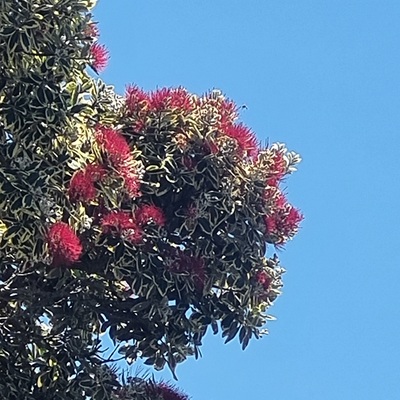
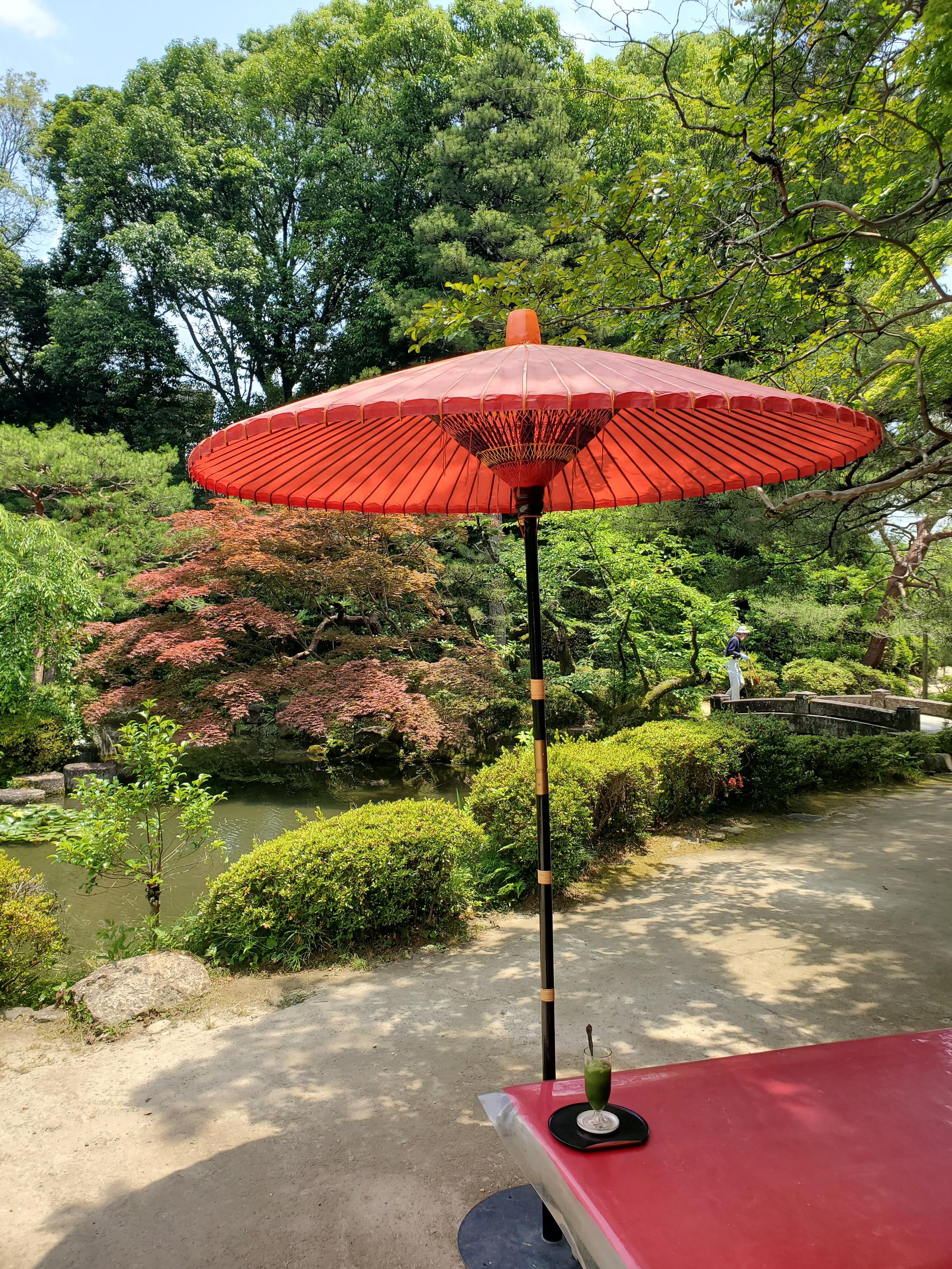
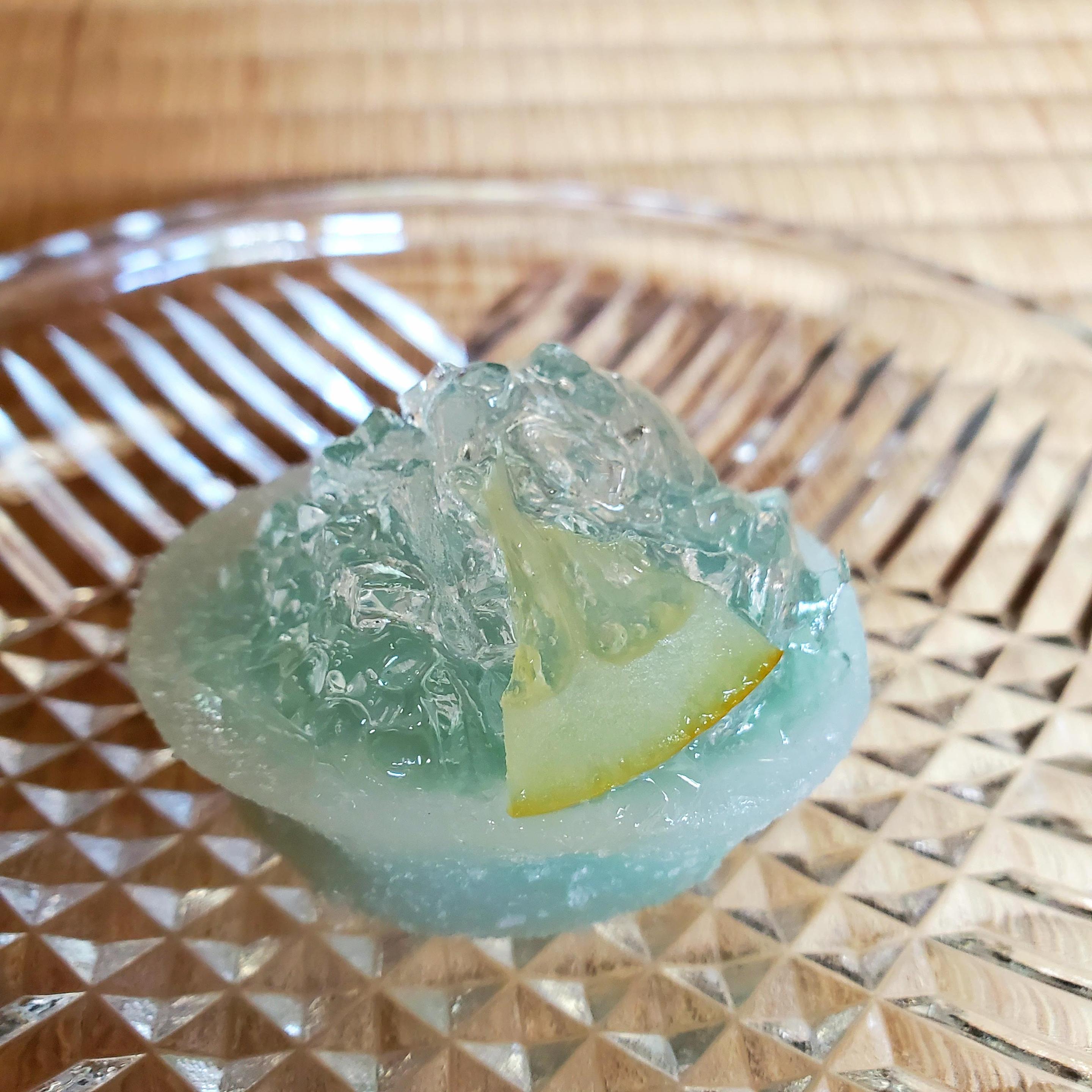
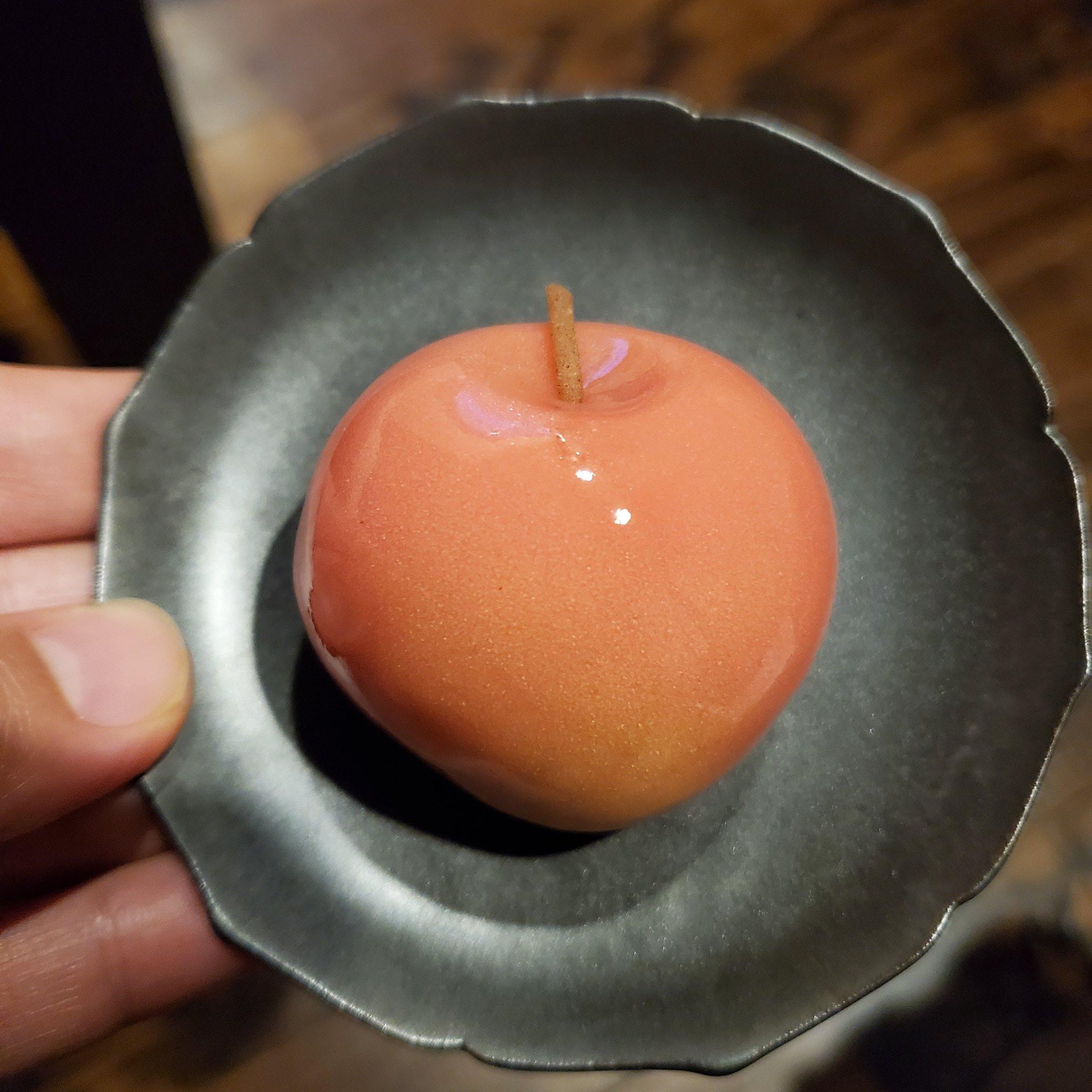
🌞🥤'RIKKA' REFRESHMENTS🌊🏖️
-
-
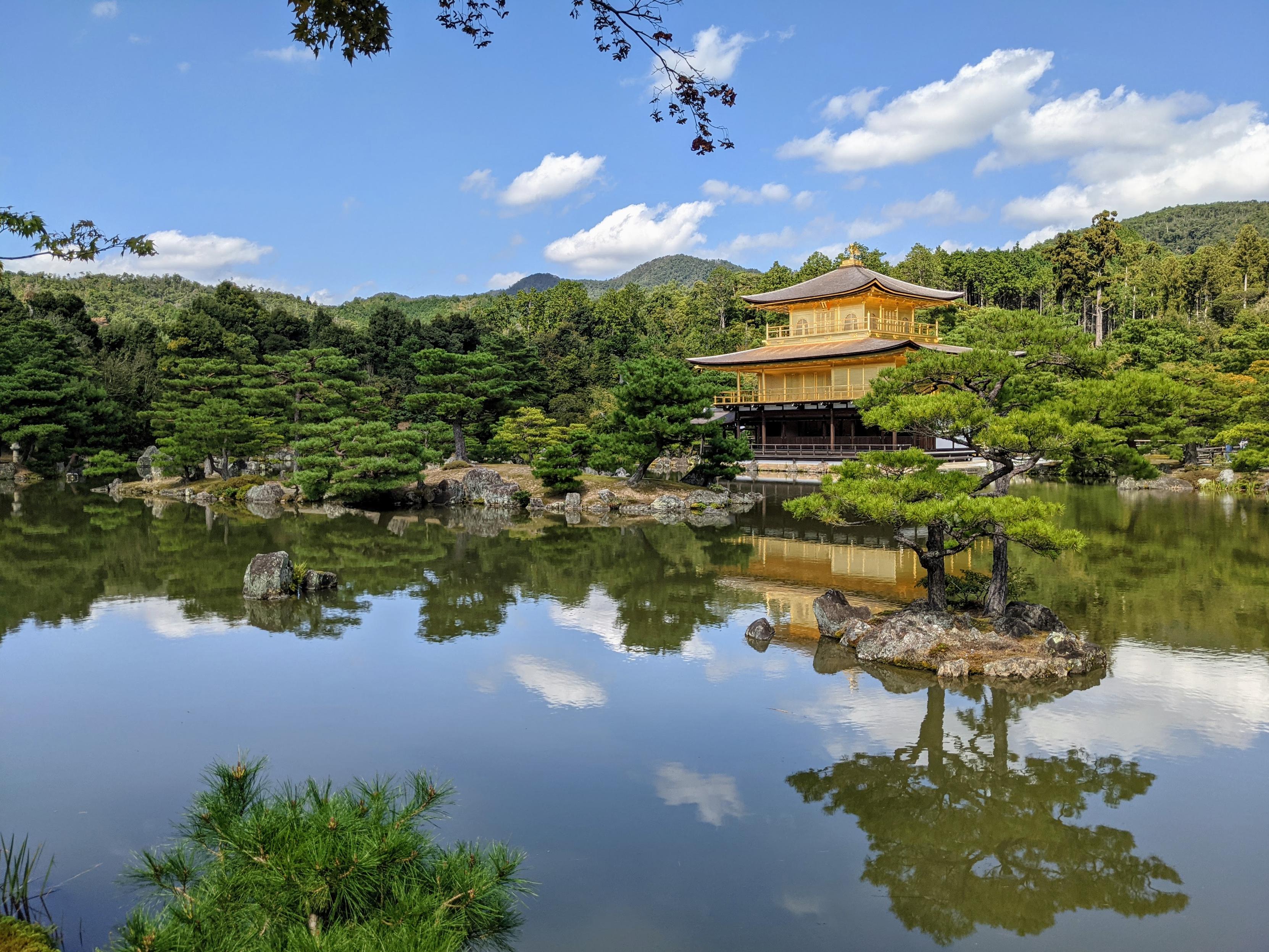
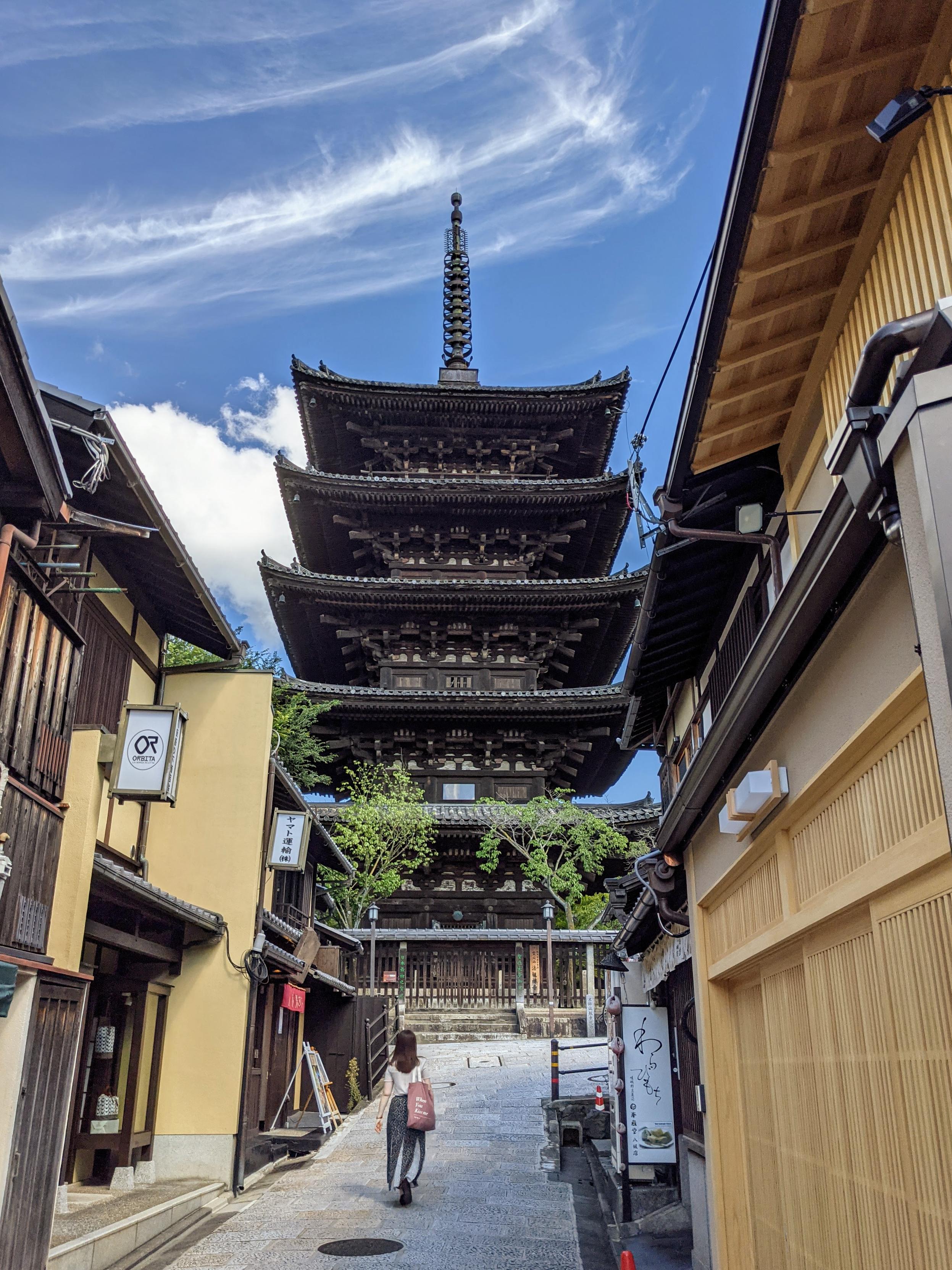
After the shock of losing both the emperor and its status as capital in 1868, Kyōto embarked on a series of prestige projects to help revive trade, tourism and its damaged ego.
Heian Jingū, the Lake Biwa Canal, the geisha dances and the Jidai Matsuri were all born at this time.

-
After the shock of losing both the emperor and its status as capital in 1868, Kyōto embarked on a series of prestige projects to help revive trade, tourism and its damaged ego.
Heian Jingū, the Lake Biwa Canal, the geisha dances and the Jidai Matsuri were all born at this time.
@camelliakyoto
@treleanor
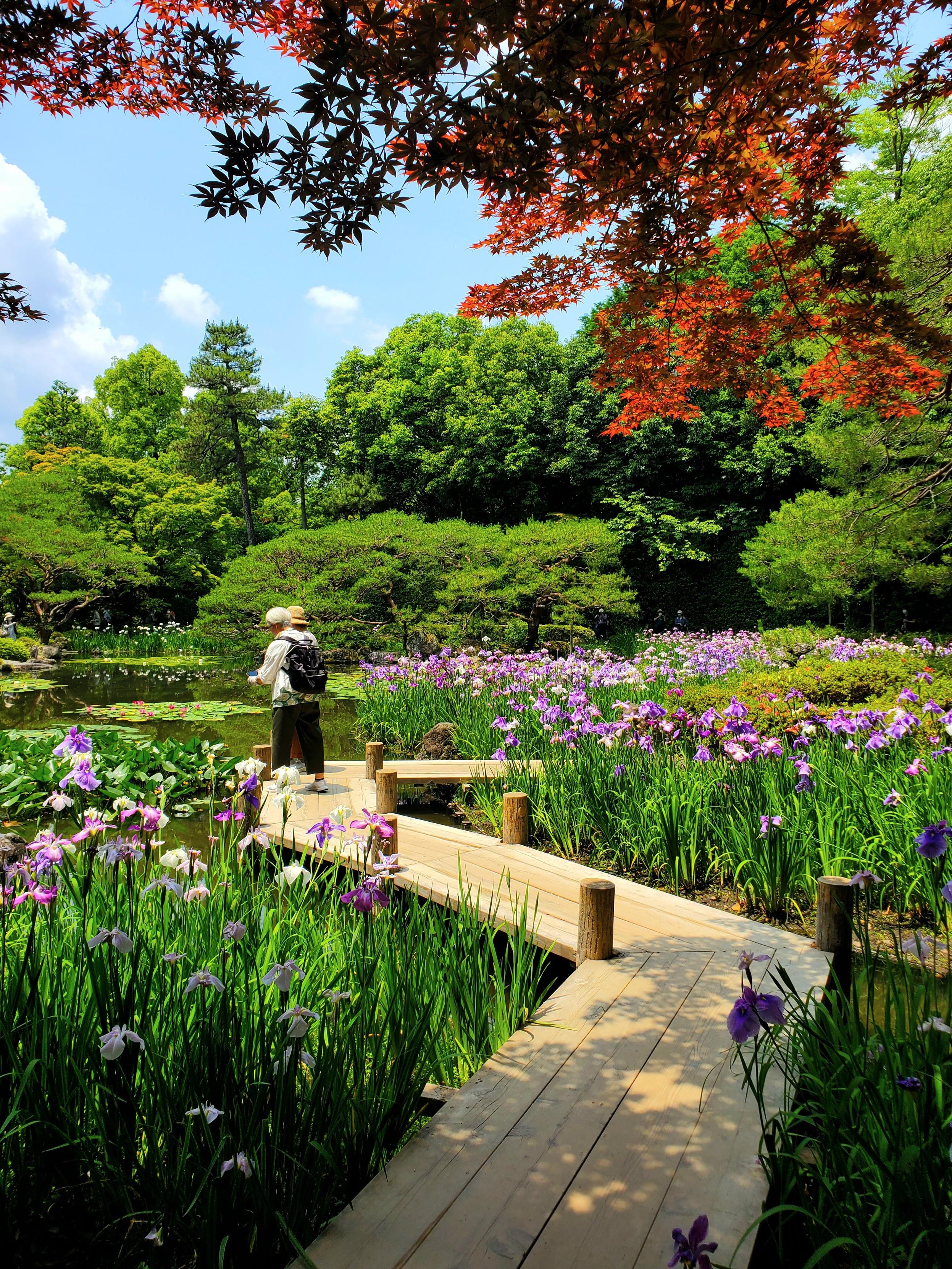
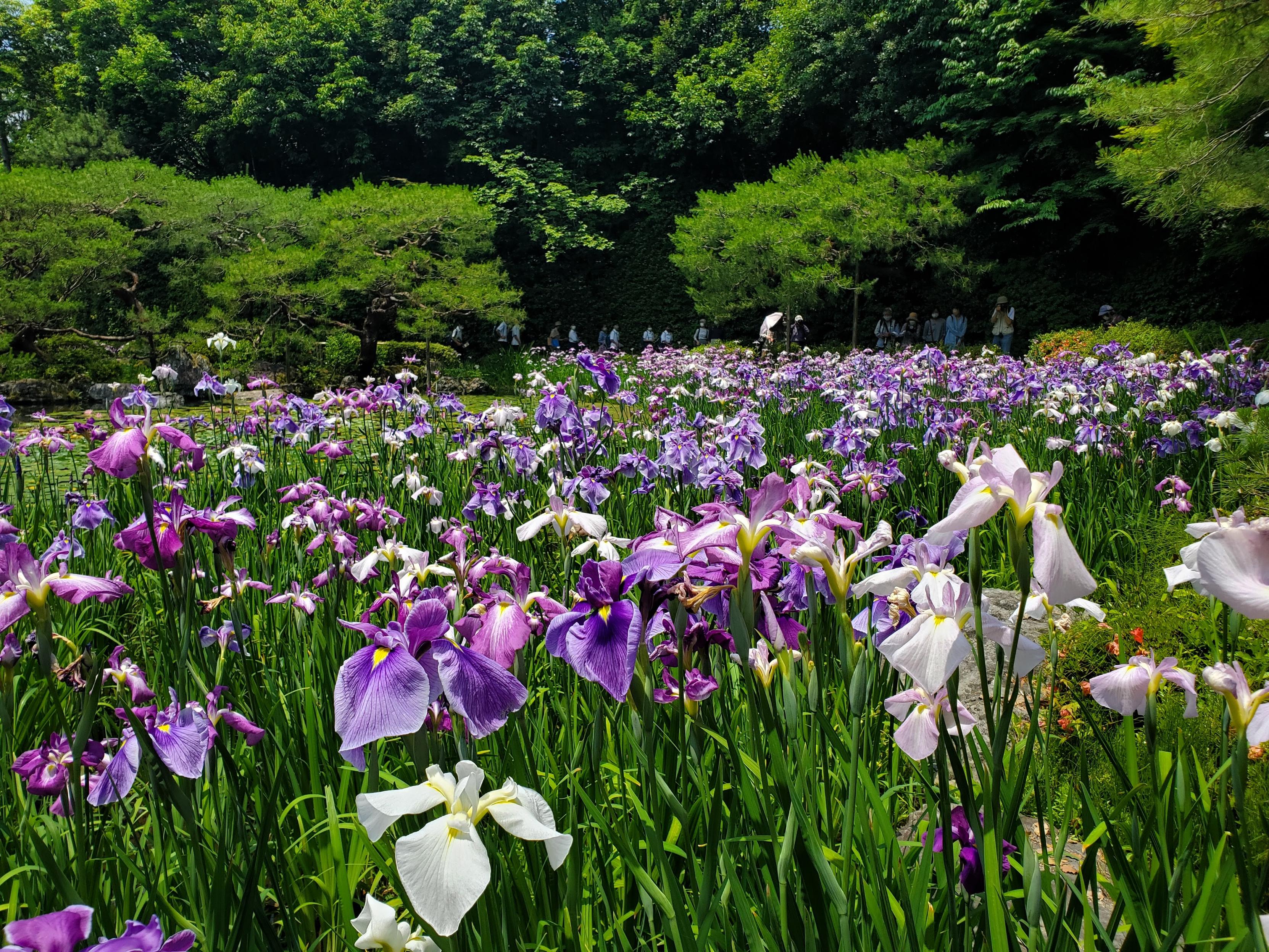
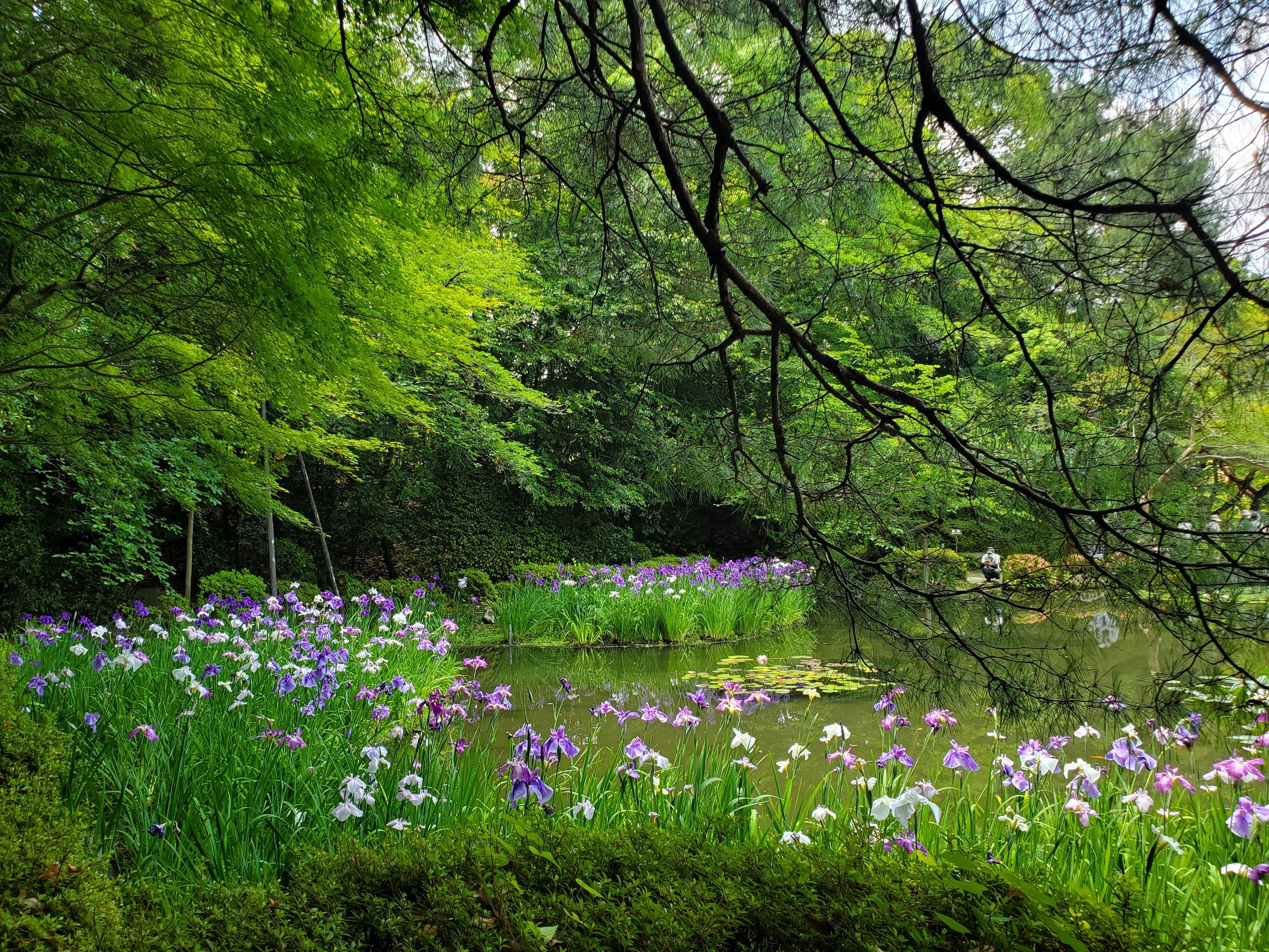
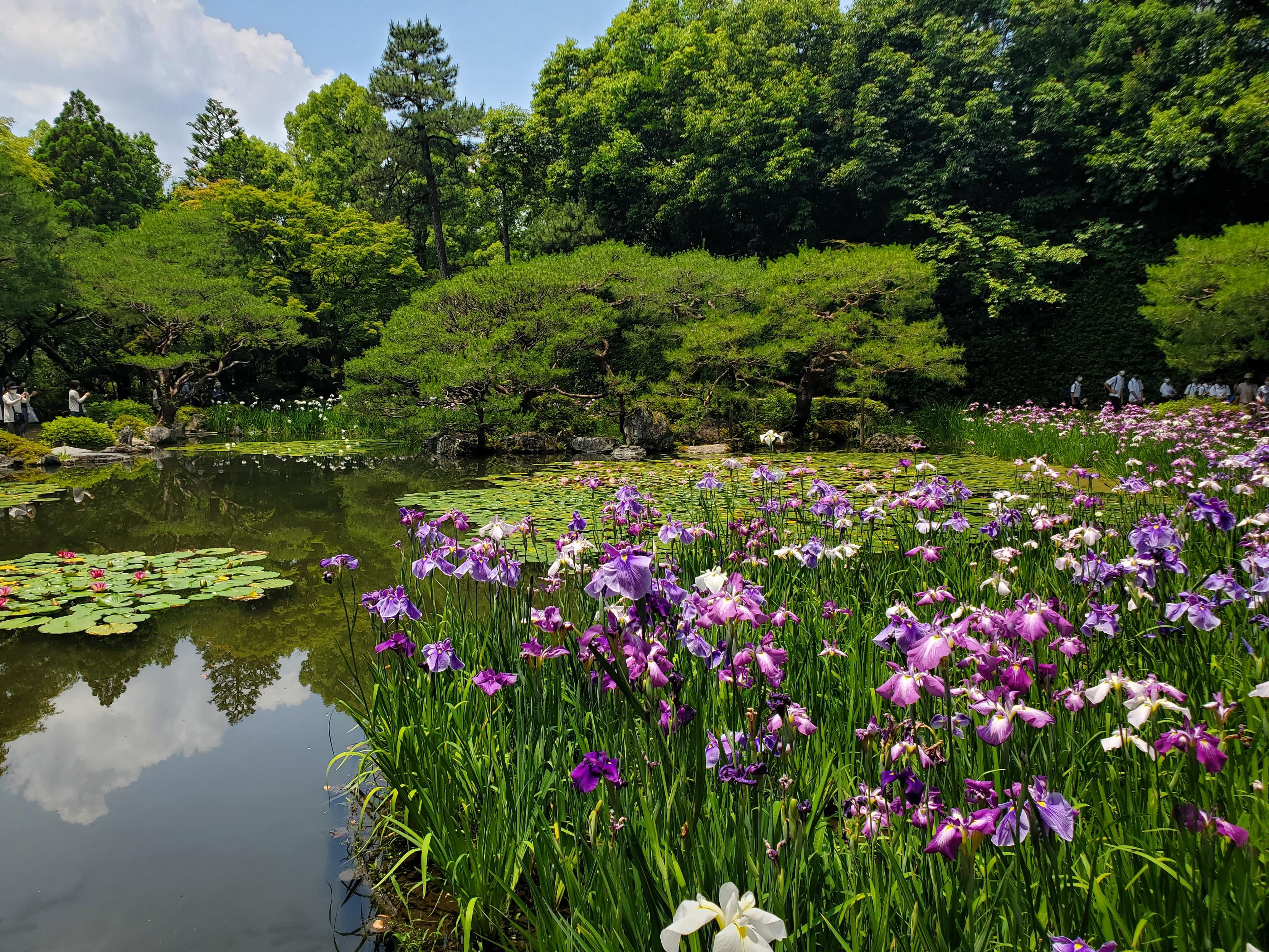
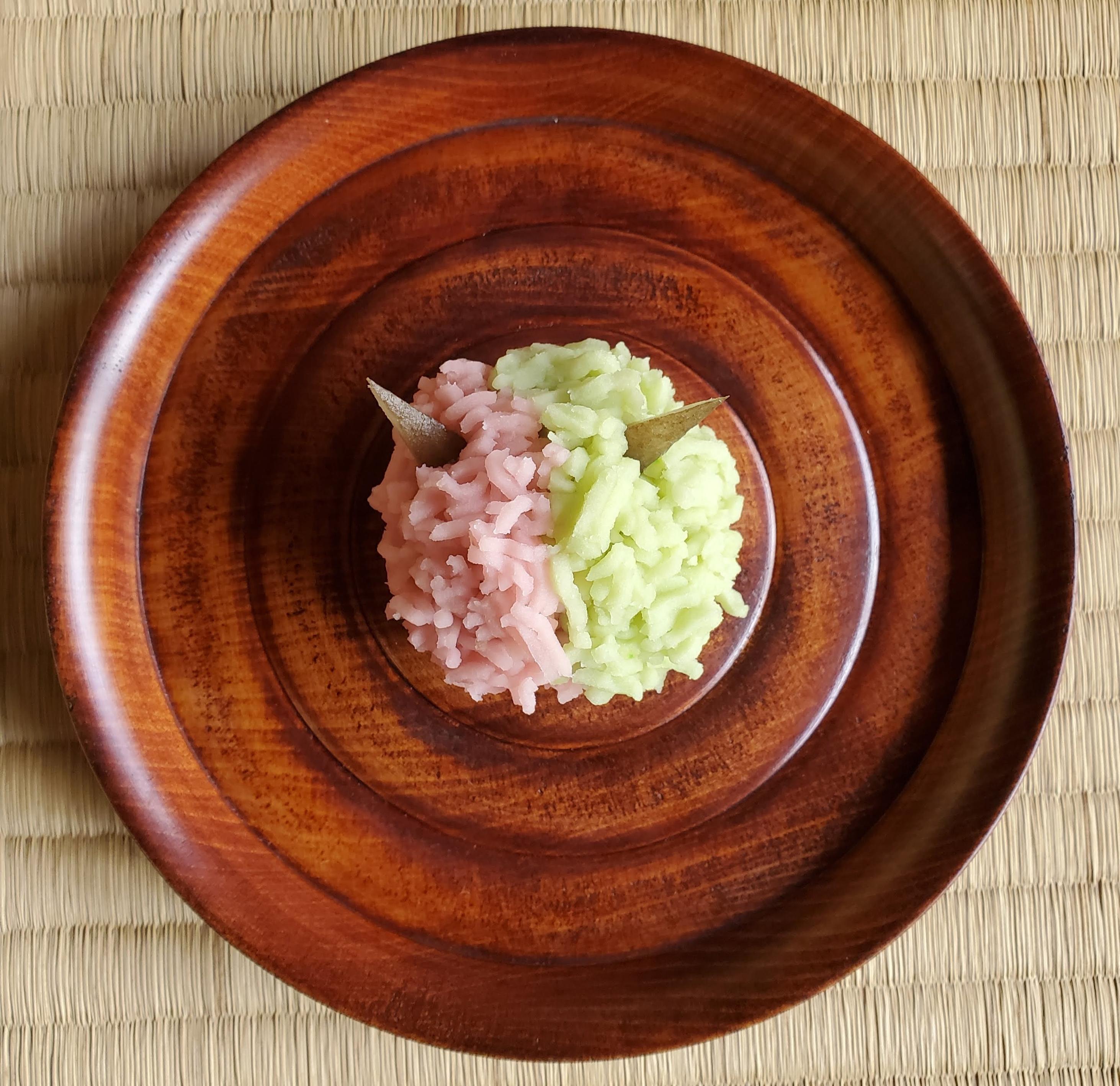
Iris heaven 🤩
🤩 -
After the shock of losing both the emperor and its status as capital in 1868, Kyōto embarked on a series of prestige projects to help revive trade, tourism and its damaged ego.
Heian Jingū, the Lake Biwa Canal, the geisha dances and the Jidai Matsuri were all born at this time.
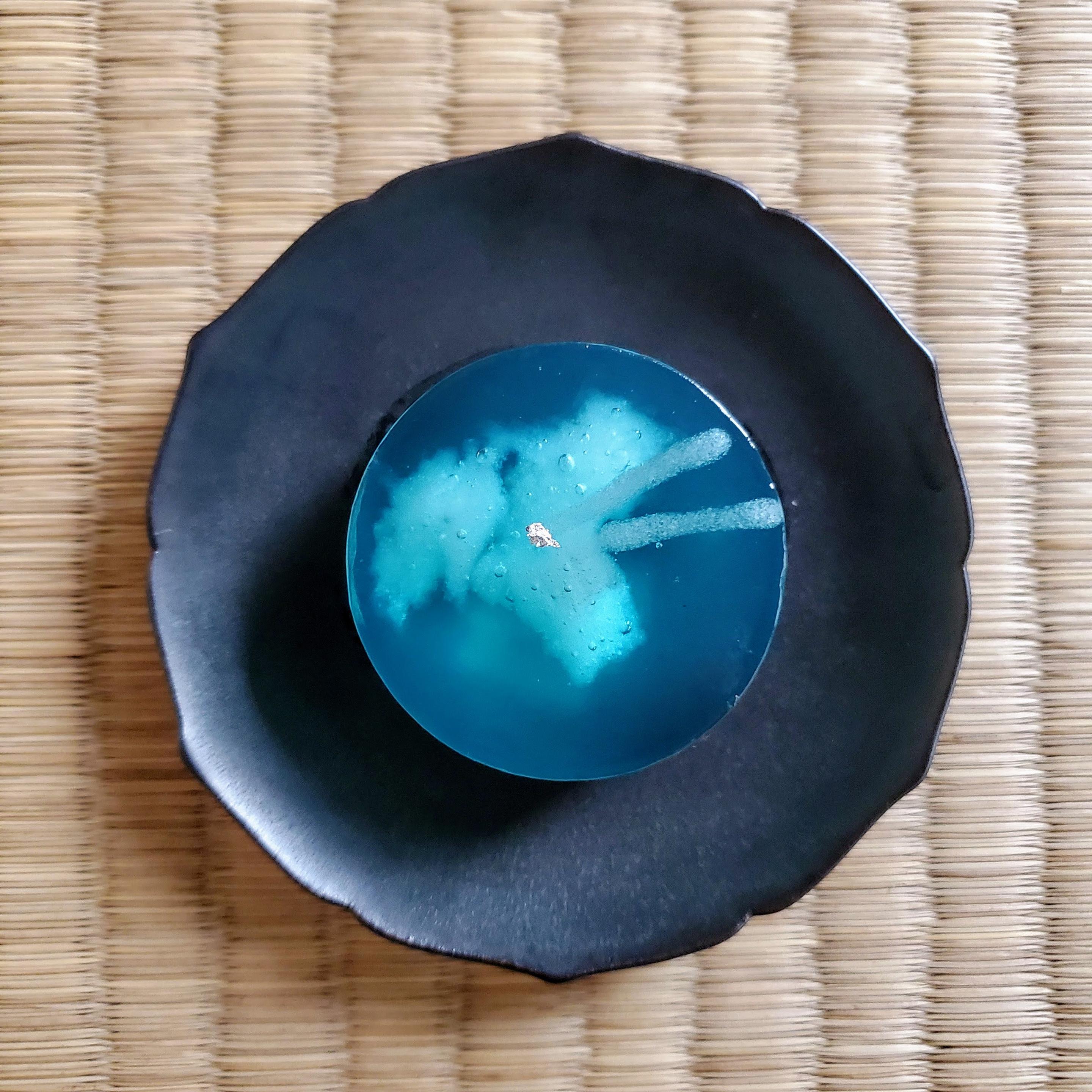
Kameya Yoshinaga (亀屋良長) has done the impossible and perfectly captured the blue skies and cotton puff clouds of May in sweet form
 ️
️The wonderful 'hikōki-gumo' (ひこうき雲)

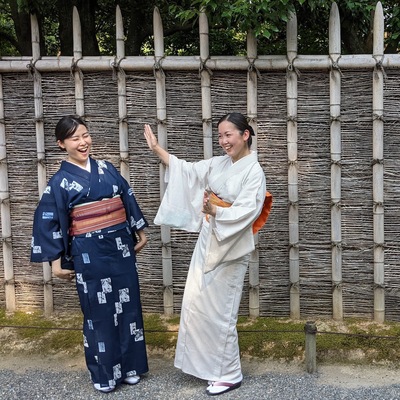
summer kimonos
the color of blue sky...
morning pilgrimage
帷子の青空色や朝参り
-Issa, 1822.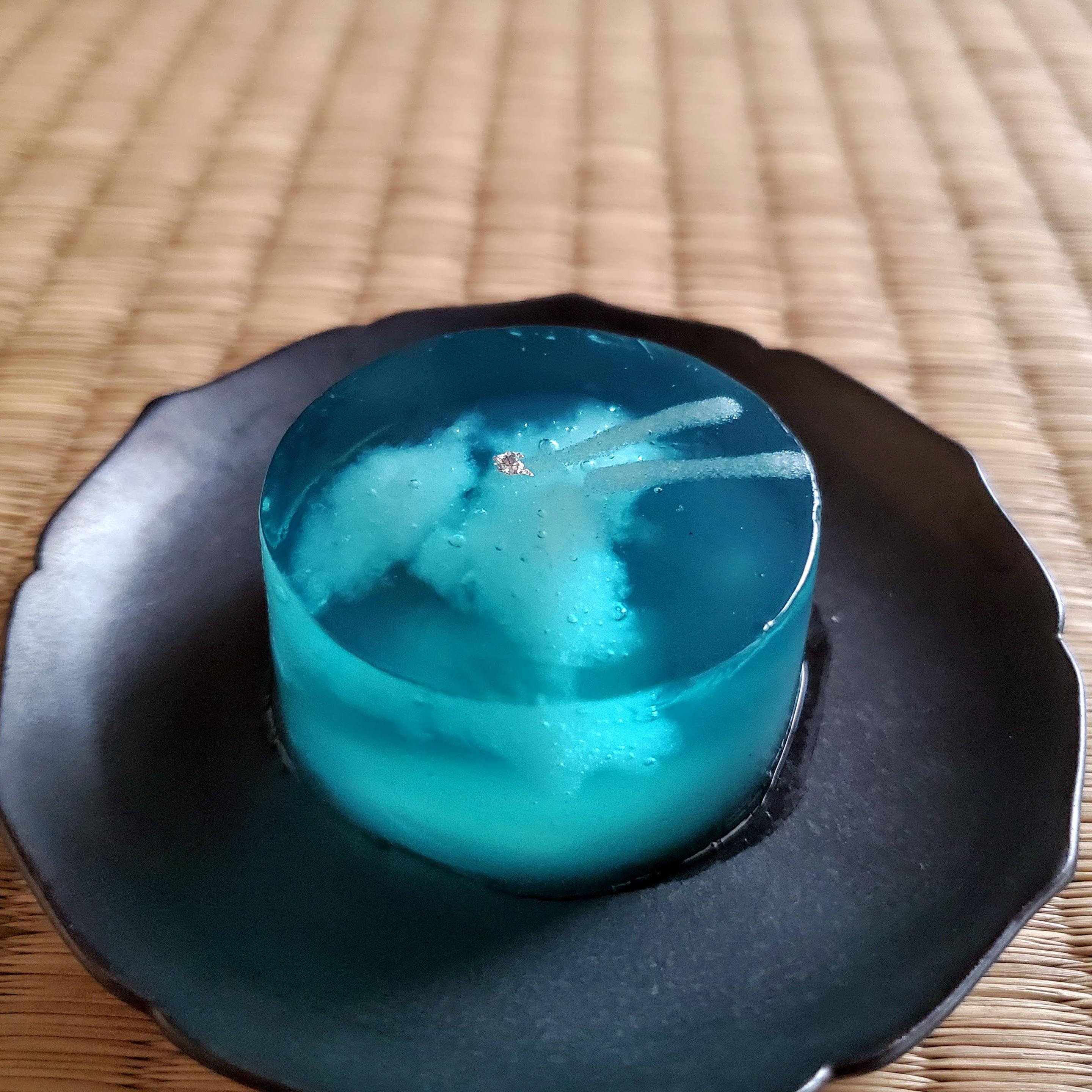
-
@treleanor @camelliakyoto
Envious of your borderHope they return this year.Also hope you are feeling better today and new dentist is good. -
After the shock of losing both the emperor and its status as capital in 1868, Kyōto embarked on a series of prestige projects to help revive trade, tourism and its damaged ego.
Heian Jingū, the Lake Biwa Canal, the geisha dances and the Jidai Matsuri were all born at this time.
@camelliakyoto Pretty.
-
Kameya Yoshinaga (亀屋良長) has done the impossible and perfectly captured the blue skies and cotton puff clouds of May in sweet form
️The wonderful 'hikōki-gumo' (ひこうき雲)
summer kimonos
the color of blue sky...
morning pilgrimage
帷子の青空色や朝参り
-Issa, 1822.The store's survival is credited to a small shrine called Takenobu-jinja (武信神社)
In the Edo period Kameya Yoshinaga (亀屋良長) fell on hard times and came close to shutting down.
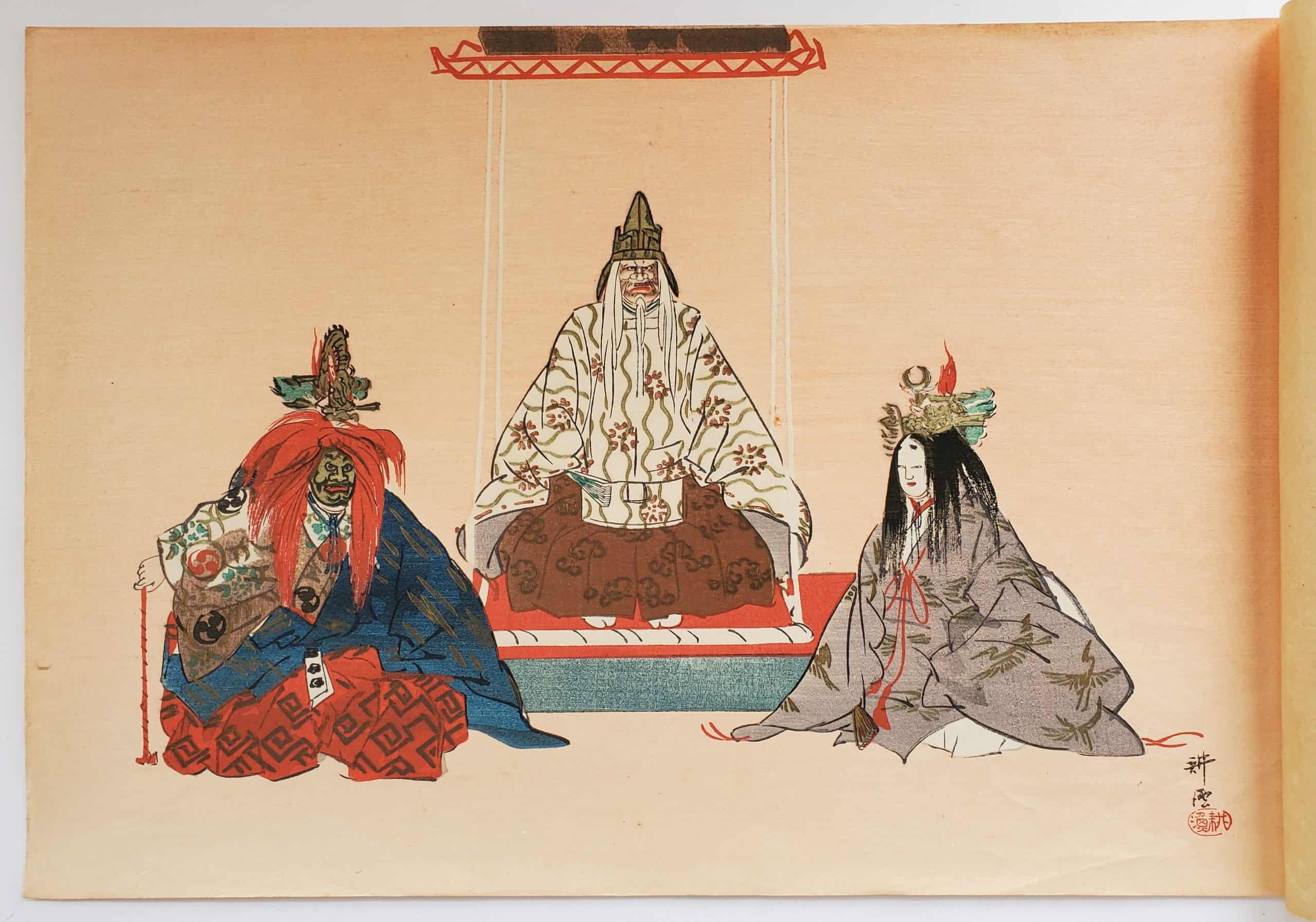
But then a white-bearded man visited their shop...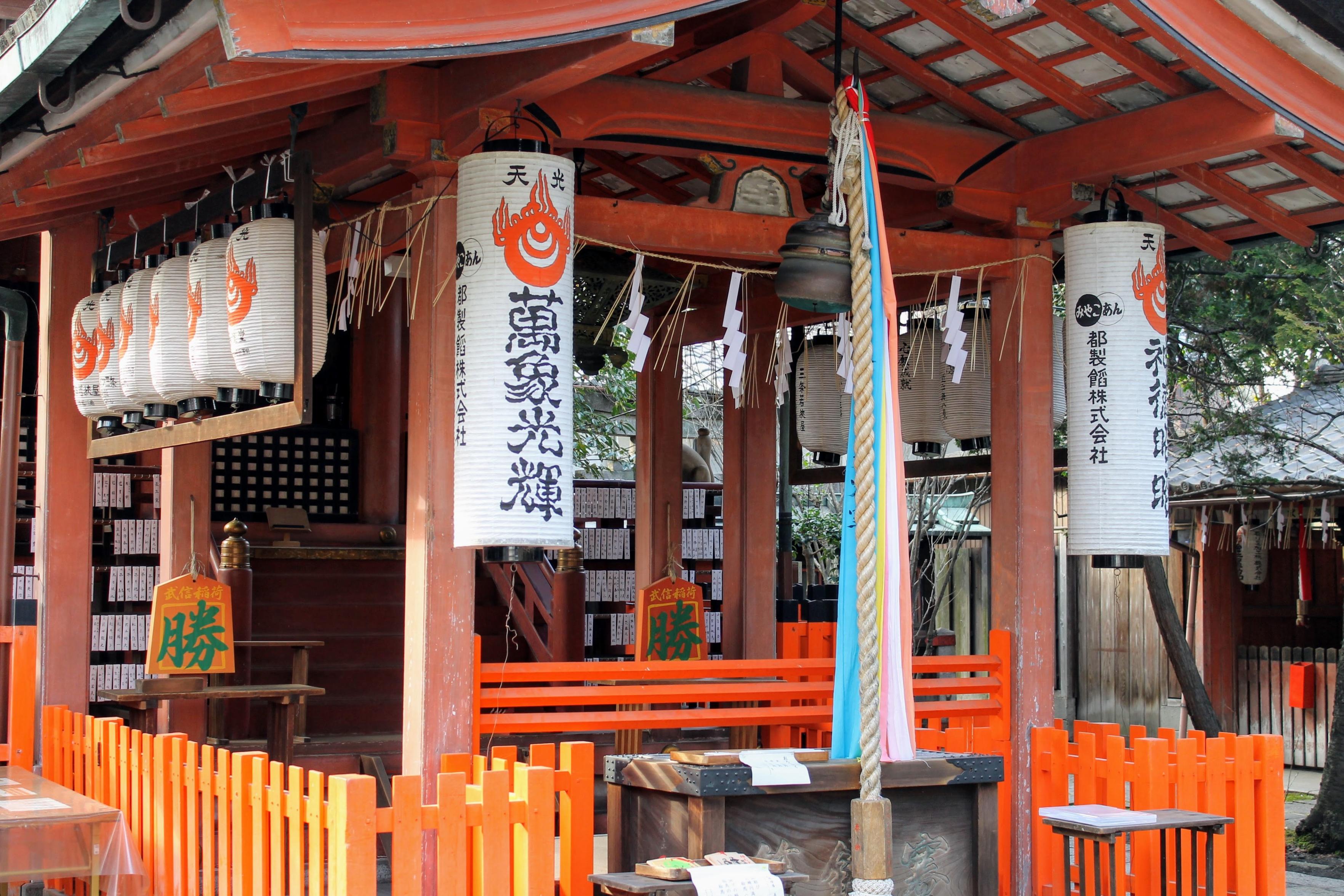
-
The store's survival is credited to a small shrine called Takenobu-jinja (武信神社)
In the Edo period Kameya Yoshinaga (亀屋良長) fell on hard times and came close to shutting down.
But then a white-bearded man visited their shop...What a cliffhanger!

-
The store's survival is credited to a small shrine called Takenobu-jinja (武信神社)
In the Edo period Kameya Yoshinaga (亀屋良長) fell on hard times and came close to shutting down.
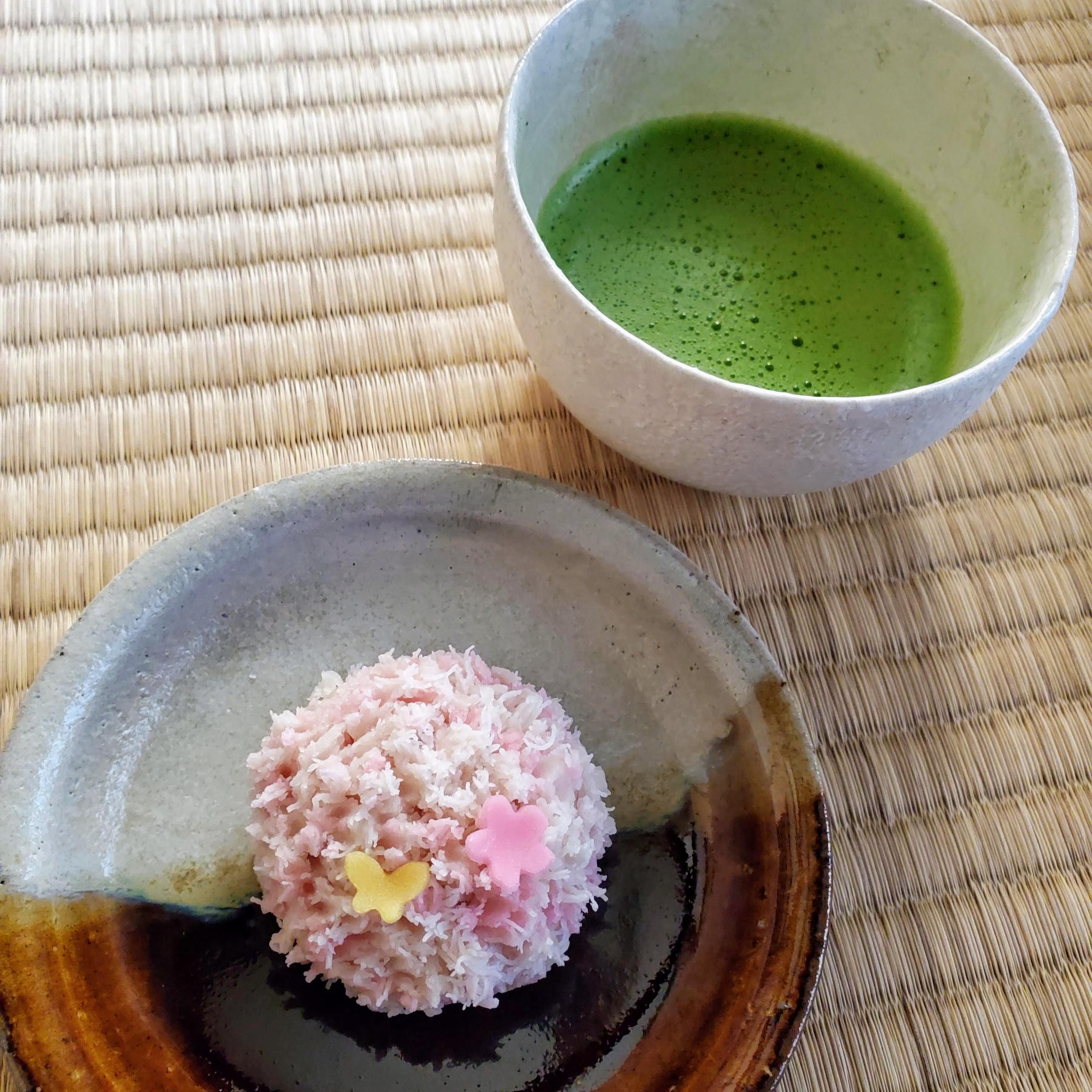
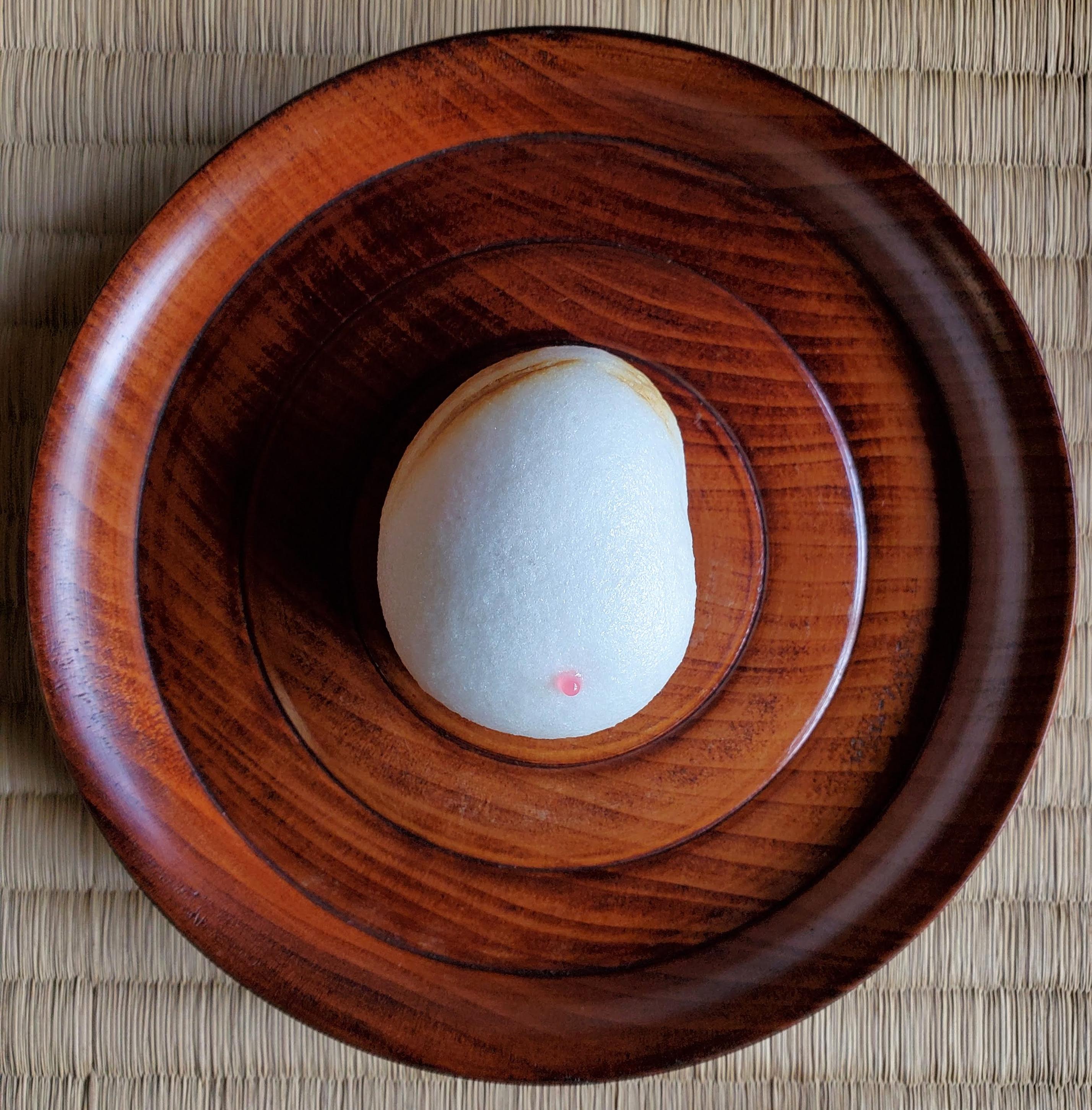
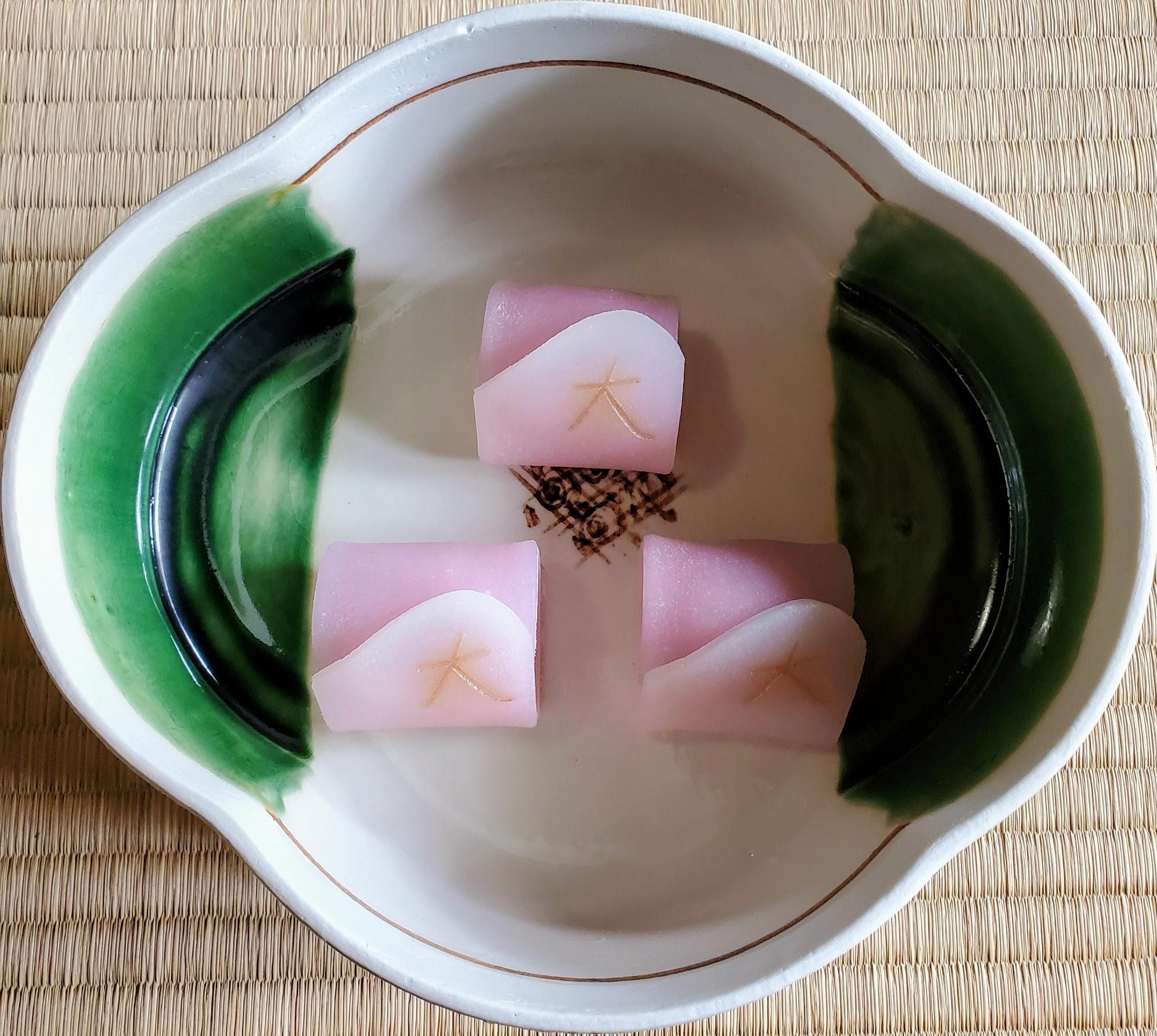
But then a white-bearded man visited their shop...The old man (god of Takenobu-jinja) shared a recipe for 'kōrimochi' (氷餅), a type of mochi made with extra water, moulded into rectangular blocks, tied with straw and left outside on cold days to freeze dry.
Thanks to this sweet, popular with tea masters, the store flourished.
-
The old man (god of Takenobu-jinja) shared a recipe for 'kōrimochi' (氷餅), a type of mochi made with extra water, moulded into rectangular blocks, tied with straw and left outside on cold days to freeze dry.
Thanks to this sweet, popular with tea masters, the store flourished.
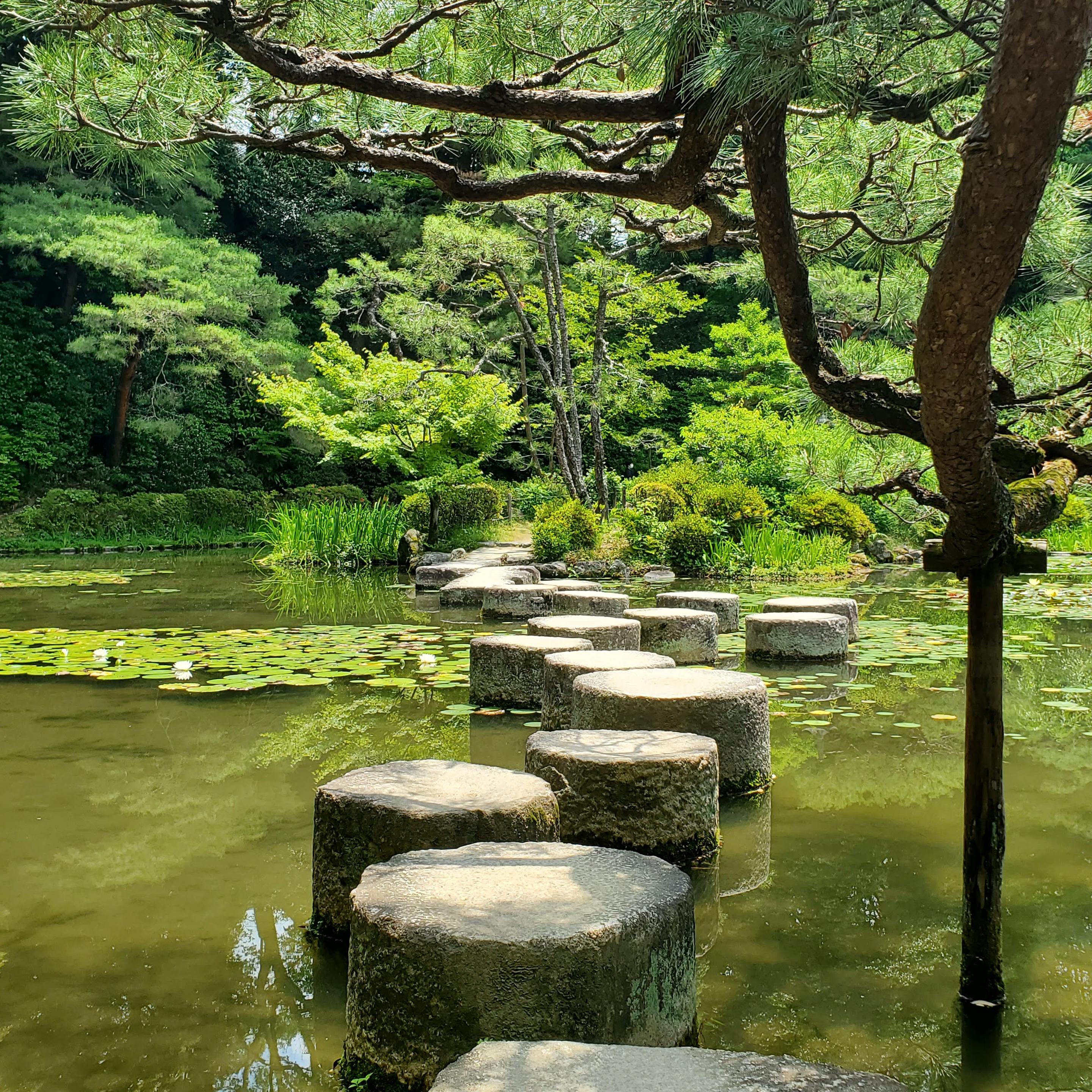
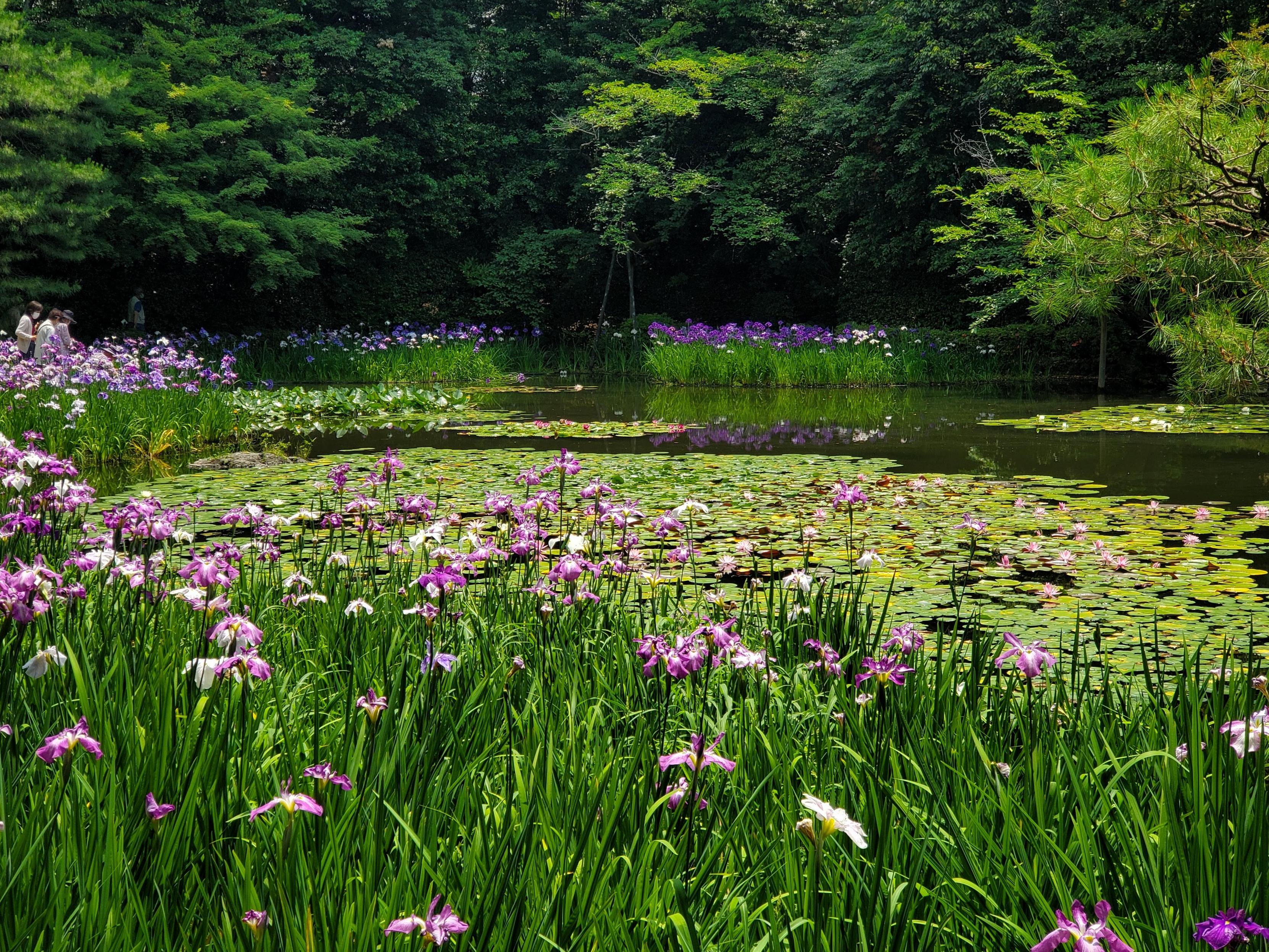
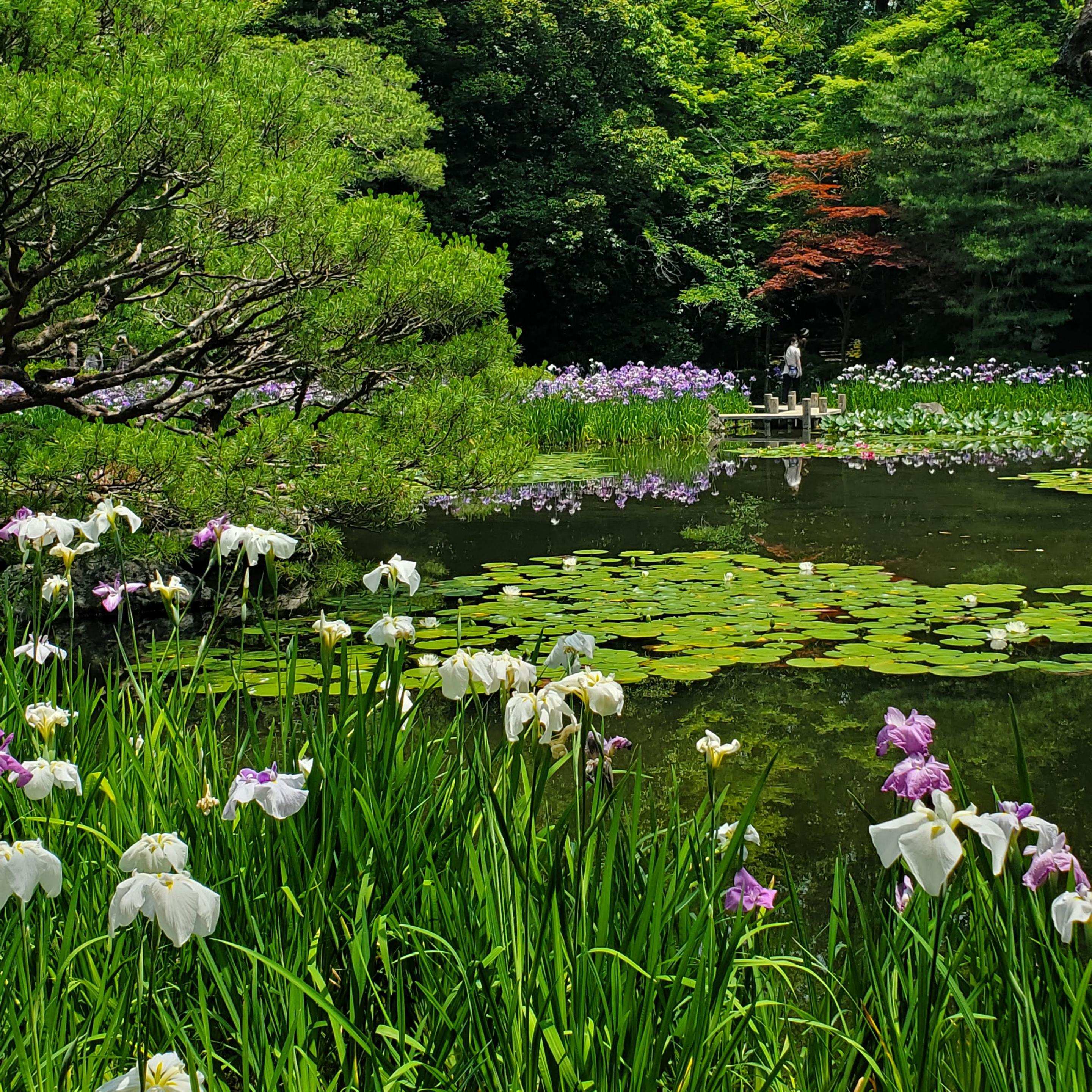
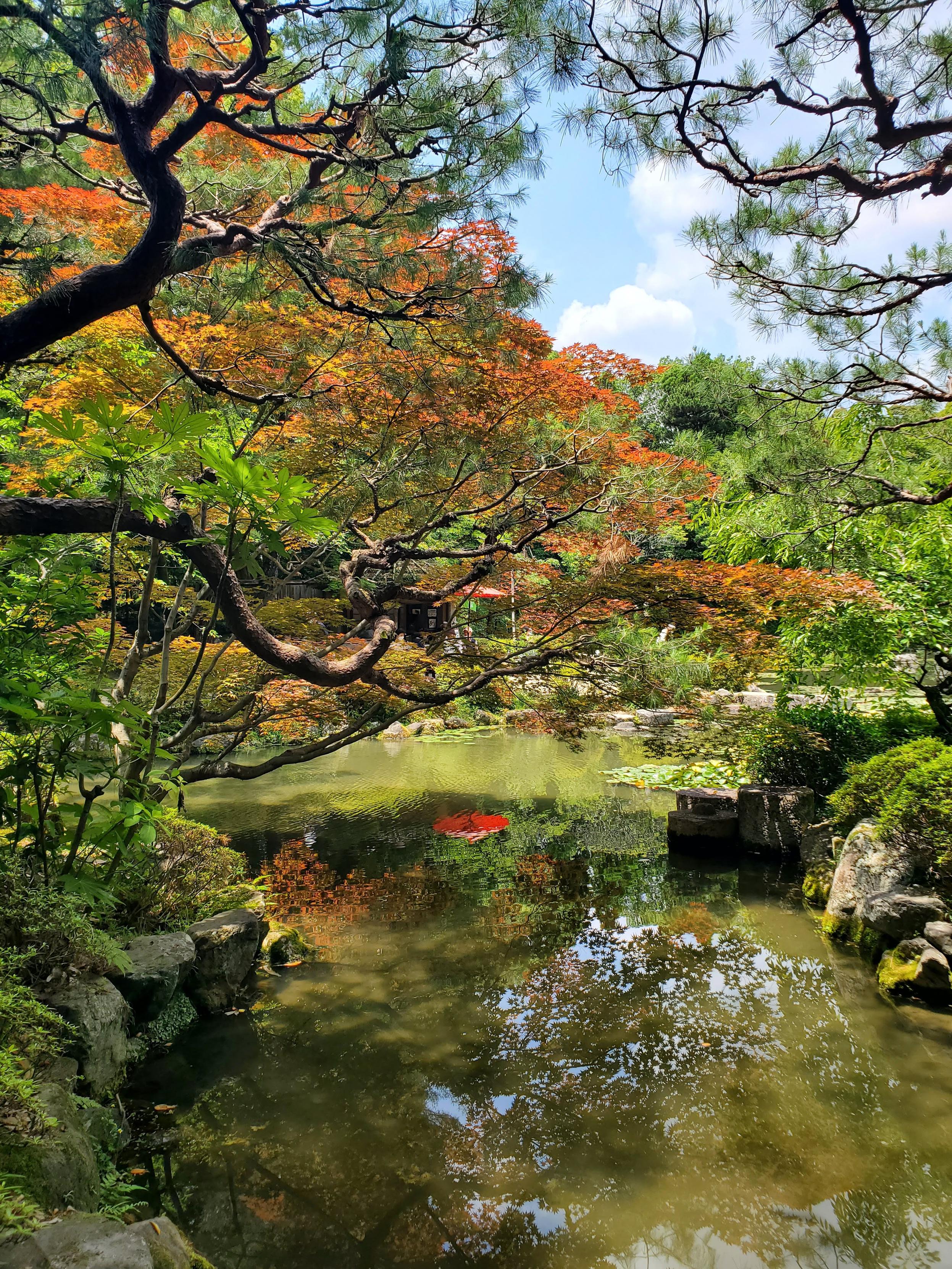
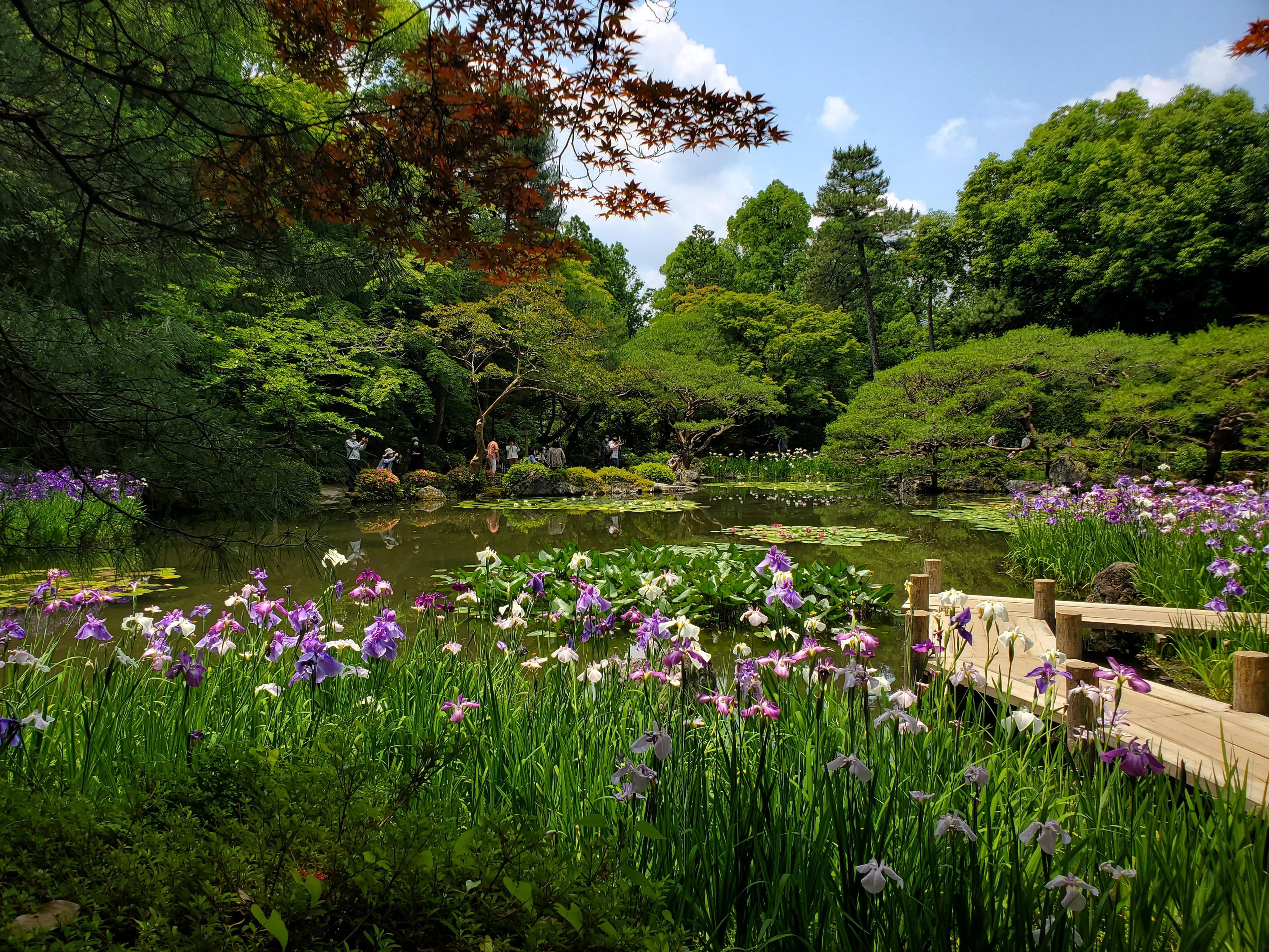
Heian Jingū's (平安神宮) sprawling 33060m2 'Shin-en' garden (神苑) is divided into 4 parts: Higashi (東神苑-East), Naka (中神苑-Middle), Nishi (西神苑-West), and Minami (南神苑-South).
Beginning in 1895, it took Ogawa Jihei VII (小川治兵衛 1860-1933) 20 years to finish the first 3.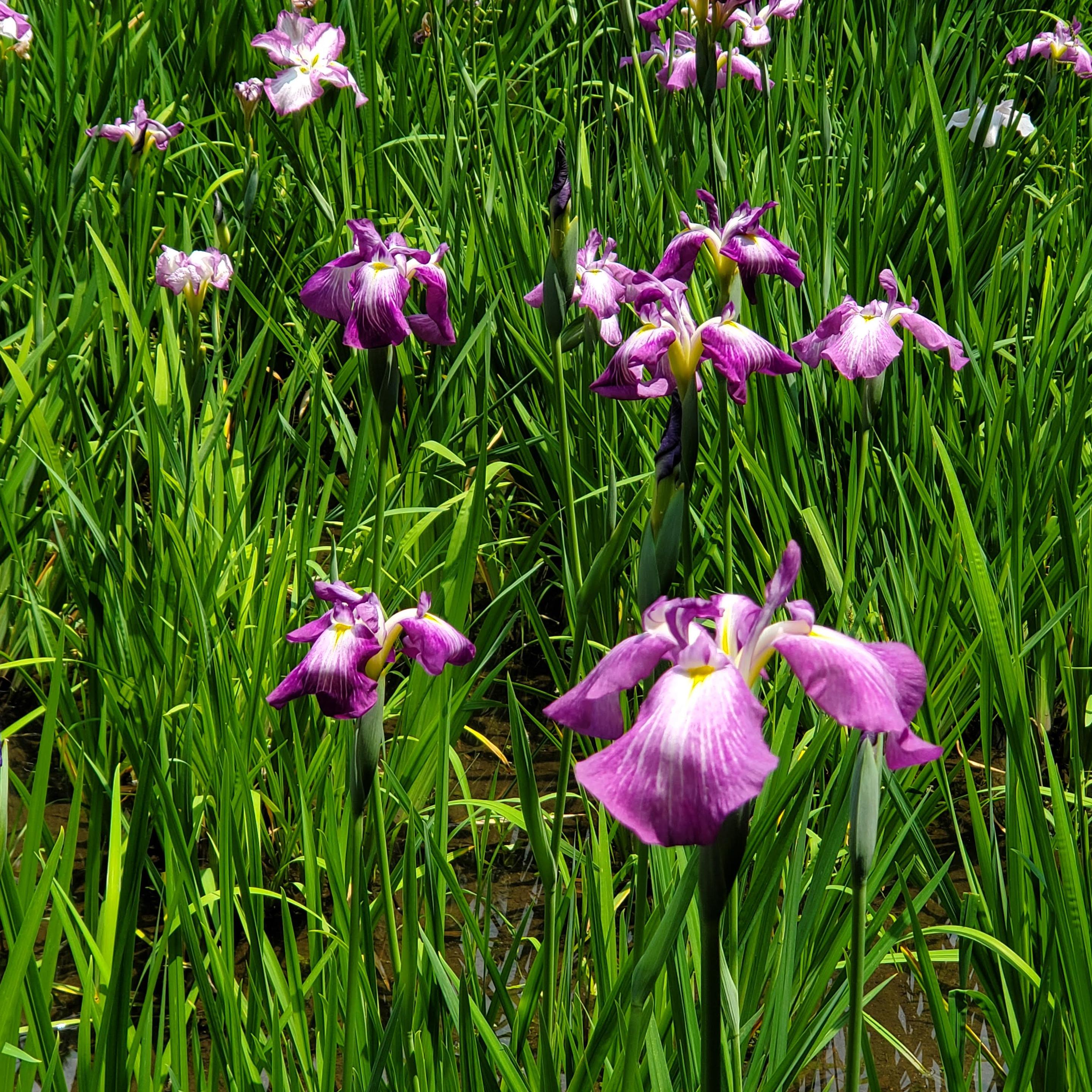
-
R relay@relay.infosec.exchange shared this topic
 🥤'RIKKA' REFRESHMENTS
 ️
️