Super Fun für Sprach-Nerds, Weird Fiction-Fans und alle, die gerne neue Sachen lernen: Diese Geschichte wird jeden Absatz 100 Jahre älter (& gruseliger), am Schluss sind wir um 1.000 sprachlich angelangt.
-
Super Fun für Sprach-Nerds, Weird Fiction-Fans und alle, die gerne neue Sachen lernen: Diese Geschichte wird jeden Absatz 100 Jahre älter (& gruseliger), am Schluss sind wir um 1.000 sprachlich angelangt. Bis wann könnt Ihr verstehen, was da steht? Danach erklärt ein Sprachhistoriker die Veränderungen, die ihr da rückwärts mitgemacht habt.
#linguistics #historyoflanguage #language #literature #learning
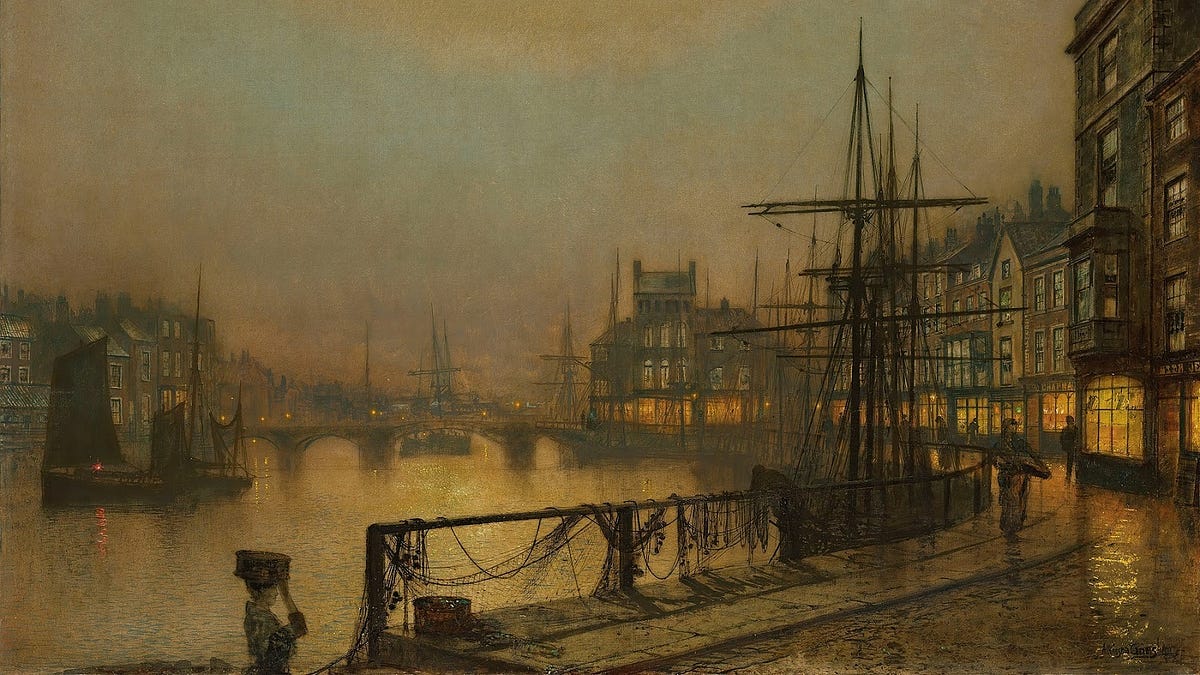
How far back in time can you understand English?
An experiment in language change

(www.deadlanguagesociety.com)
-
Super Fun für Sprach-Nerds, Weird Fiction-Fans und alle, die gerne neue Sachen lernen: Diese Geschichte wird jeden Absatz 100 Jahre älter (& gruseliger), am Schluss sind wir um 1.000 sprachlich angelangt. Bis wann könnt Ihr verstehen, was da steht? Danach erklärt ein Sprachhistoriker die Veränderungen, die ihr da rückwärts mitgemacht habt.
#linguistics #historyoflanguage #language #literature #learning
How far back in time can you understand English?
An experiment in language change
(www.deadlanguagesociety.com)
@Tinido «we whiled away the hours together in good cheer» schreibe ich in meinen Wappen.
-
Super Fun für Sprach-Nerds, Weird Fiction-Fans und alle, die gerne neue Sachen lernen: Diese Geschichte wird jeden Absatz 100 Jahre älter (& gruseliger), am Schluss sind wir um 1.000 sprachlich angelangt. Bis wann könnt Ihr verstehen, was da steht? Danach erklärt ein Sprachhistoriker die Veränderungen, die ihr da rückwärts mitgemacht habt.
#linguistics #historyoflanguage #language #literature #learning
How far back in time can you understand English?
An experiment in language change
(www.deadlanguagesociety.com)
@Tinido
1200 war Ende für mich. -
@Tinido
1200 war Ende für mich.@wortezimmer
1400-1600 war schon anstrengend.
@Tinido -
Super Fun für Sprach-Nerds, Weird Fiction-Fans und alle, die gerne neue Sachen lernen: Diese Geschichte wird jeden Absatz 100 Jahre älter (& gruseliger), am Schluss sind wir um 1.000 sprachlich angelangt. Bis wann könnt Ihr verstehen, was da steht? Danach erklärt ein Sprachhistoriker die Veränderungen, die ihr da rückwärts mitgemacht habt.
#linguistics #historyoflanguage #language #literature #learning
How far back in time can you understand English?
An experiment in language change
(www.deadlanguagesociety.com)
@Tinido this is fun! Sadly the author does not seem to be on Fedi?
I wonder if @yvanspijk could read all this just as is… (Yoïn, spoilers ahead so if you want to play, read the OP article first.)
I first got slight troubles in the 1500s when there began to be occasional words I didn’t know. I guess I would just have to look them up in the dictionary as I need to do today for some English words. These that troubled me were distinct from those that would trouble a native speaker, for I’m German and know Latin, inflection gave me only a little pause, we had long s ourselves, and I knew thorn, eth, and even yogh and wynn.
1200 was when it mostly lost me. I don’t know Old High German, so even after I figured out the… well… double u, and identified wif as woman, I only could follow a larger part of the story, but not all of it any more.
1100, well. I got that they were to marry. That’s that. yfel was understood, and cƿæþ was clear from context.
1000, I could read more easily than 1100, as in, the writing gave me less tongue-tying, but I understood even less of the words. "næfre ne mihton fram Ƿulfesfleote" was clear but the verb of that sentence not. In retrospect (after having read the summary), ofslean is clear (seeing the dutch connection here), same for forlætan = verlassen. "deorcan stræta þisses grimman stedes" is dark street of this grim… well stede, I don’t know how to put that in English
 Stätte.
 -
@Tinido this is fun! Sadly the author does not seem to be on Fedi?
I wonder if @yvanspijk could read all this just as is… (Yoïn, spoilers ahead so if you want to play, read the OP article first.)
I first got slight troubles in the 1500s when there began to be occasional words I didn’t know. I guess I would just have to look them up in the dictionary as I need to do today for some English words. These that troubled me were distinct from those that would trouble a native speaker, for I’m German and know Latin, inflection gave me only a little pause, we had long s ourselves, and I knew thorn, eth, and even yogh and wynn.
1200 was when it mostly lost me. I don’t know Old High German, so even after I figured out the… well… double u, and identified wif as woman, I only could follow a larger part of the story, but not all of it any more.
1100, well. I got that they were to marry. That’s that. yfel was understood, and cƿæþ was clear from context.
1000, I could read more easily than 1100, as in, the writing gave me less tongue-tying, but I understood even less of the words. "næfre ne mihton fram Ƿulfesfleote" was clear but the verb of that sentence not. In retrospect (after having read the summary), ofslean is clear (seeing the dutch connection here), same for forlætan = verlassen. "deorcan stræta þisses grimman stedes" is dark street of this grim… well stede, I don’t know how to put that in English
Stätte.@Tinido (I probably only fared this well from gradually easing into it, not being placed in front of a random 1400s text with no other idea of what’s going on)
-
@Tinido (I probably only fared this well from gradually easing into it, not being placed in front of a random 1400s text with no other idea of what’s going on)
@mirabilos @Tinido Interesting to read how you experienced those phases!
No, I don't understand these Middle and Old English texts with ease. I understand more than the average layman thanks to my lknowledge of historical phonology, grammar and vocabulary, but I'm more of a generalist than a specialist when it comes to those phases. Only people who have enough experience reading full texts become familiar enough with these languages to understand them fluently.
-
Super Fun für Sprach-Nerds, Weird Fiction-Fans und alle, die gerne neue Sachen lernen: Diese Geschichte wird jeden Absatz 100 Jahre älter (& gruseliger), am Schluss sind wir um 1.000 sprachlich angelangt. Bis wann könnt Ihr verstehen, was da steht? Danach erklärt ein Sprachhistoriker die Veränderungen, die ihr da rückwärts mitgemacht habt.
#linguistics #historyoflanguage #language #literature #learning
How far back in time can you understand English?
An experiment in language change
(www.deadlanguagesociety.com)
@Tinido Sehr sehr cool, danke!
-
R relay@relay.an.exchange shared this topic