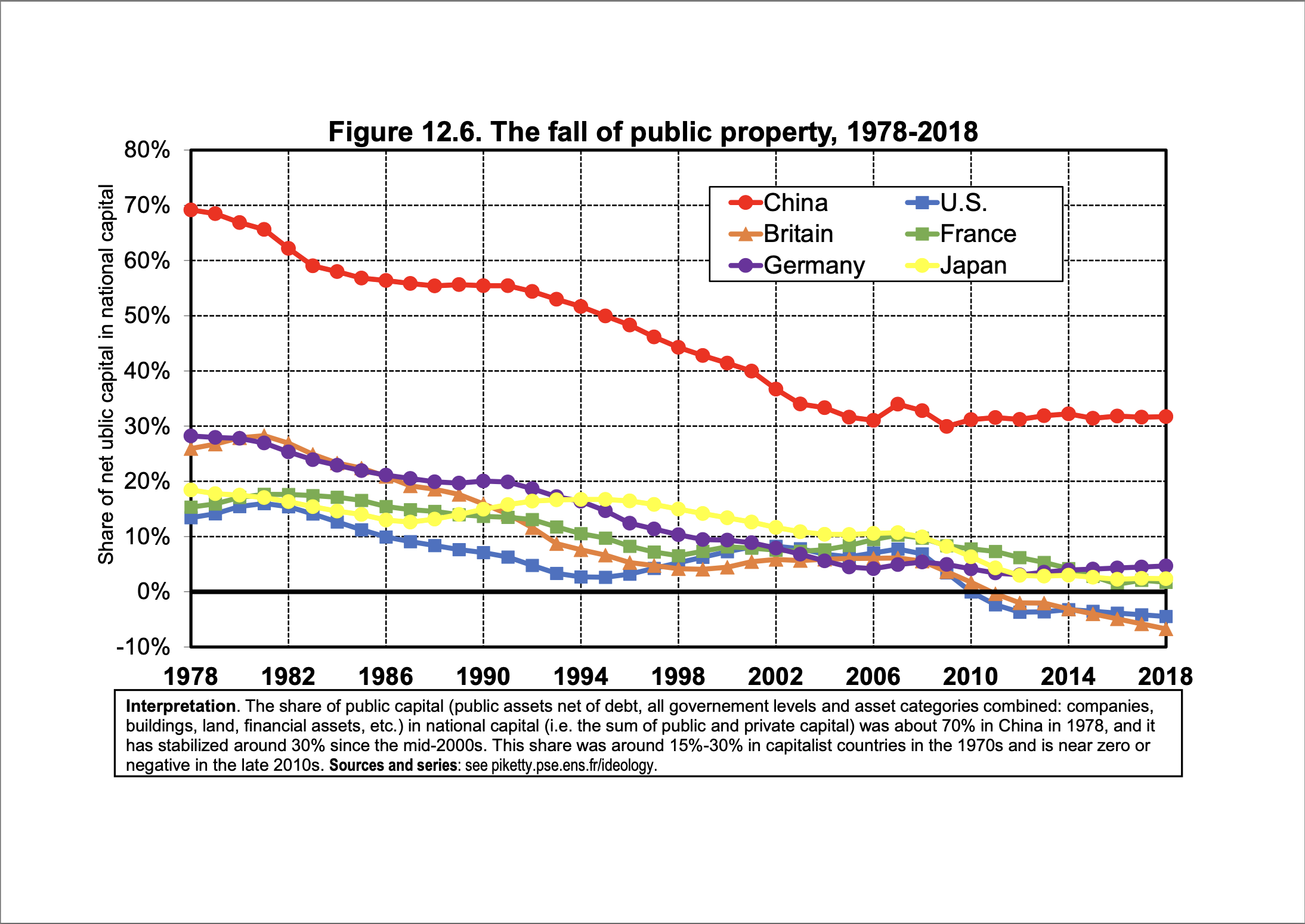
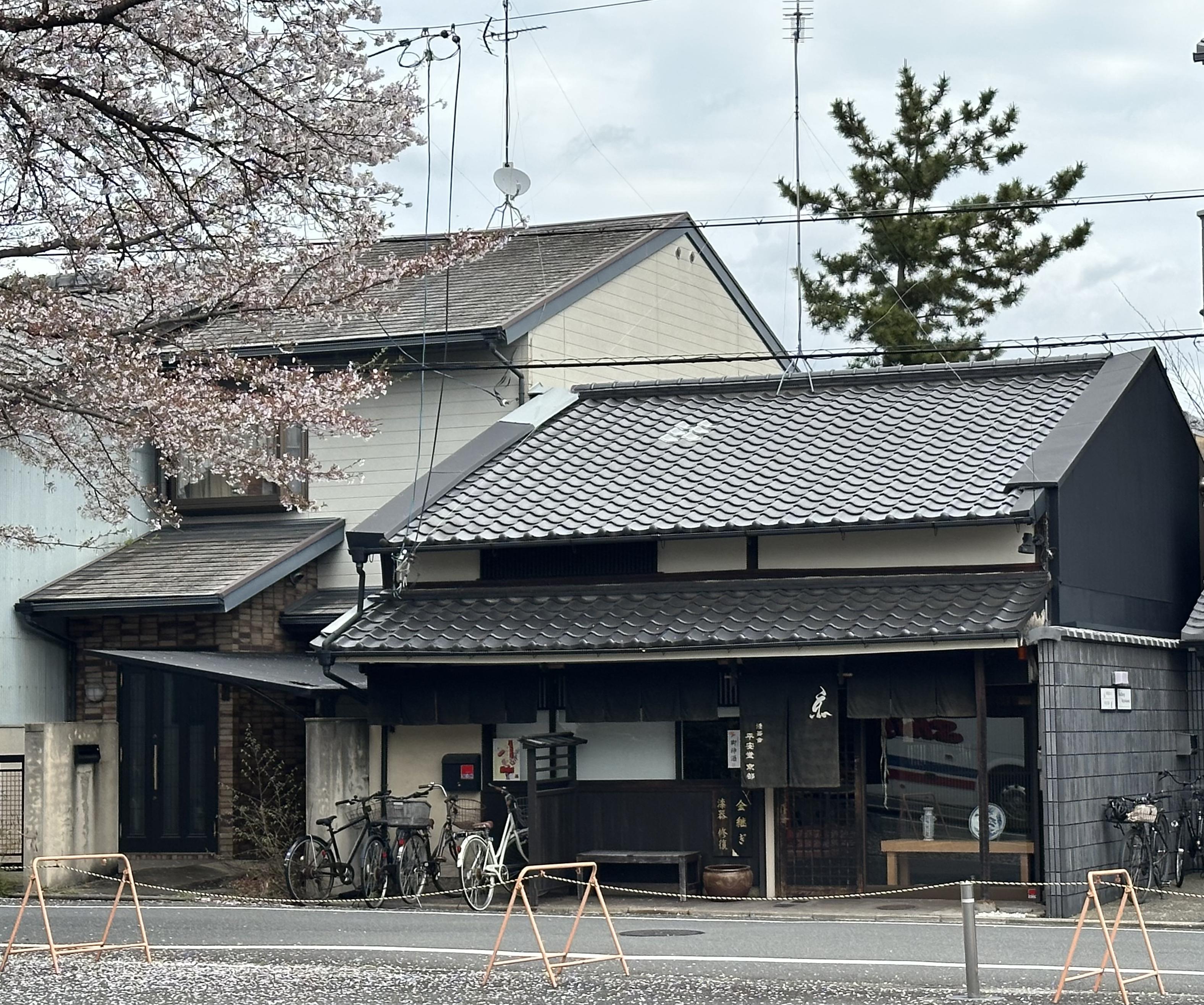
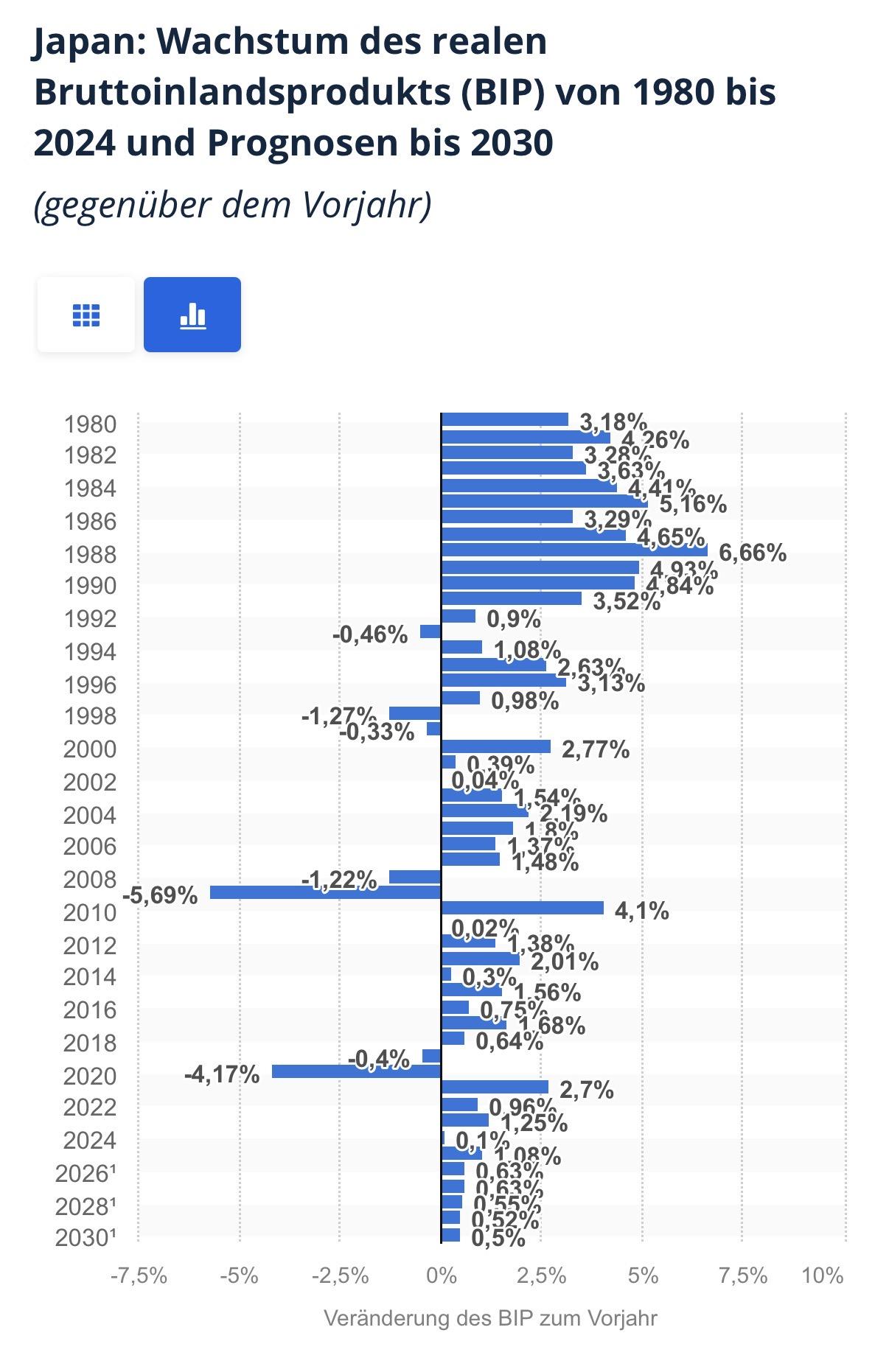
Correct me if I’m wrong, but Japan has had near-#zerogrowth for almost 25 years now, and it seems the world hasn’t come to a halt and society hasn’t collapsed.
-
Correct me if I’m wrong, but Japan has had near-#zerogrowth for almost 25 years now, and it seems the world hasn’t come to a halt and society hasn’t collapsed.
@AwetTesfaiesus Aber halt auch
https://en.wikipedia.org/wiki/National_debt_of_Japan#/media/File:Japan_govt_debt_percent_gdp_1980_2025.png
Ohne Wachstum können Staatsschulden nicht zurückgezahlt werden und während die *absoluten* Schulden ~egal sind, sind die relativen halt schon wichtig (weil der Anteil des Haushaltes, der an Zinszahlung geht entsprechend wächst).Insgesamt ist das glaub ich gerade nicht super gut bestellt um die japanische Wirtschaft, oder?
Also, man kann vielleicht ein System bauen ohne Wachstum, aber Japan gerade ist glaub ich kein gutes Beispiel.
-
@AwetTesfaiesus Aber halt auch
https://en.wikipedia.org/wiki/National_debt_of_Japan#/media/File:Japan_govt_debt_percent_gdp_1980_2025.png
Ohne Wachstum können Staatsschulden nicht zurückgezahlt werden und während die *absoluten* Schulden ~egal sind, sind die relativen halt schon wichtig (weil der Anteil des Haushaltes, der an Zinszahlung geht entsprechend wächst).Insgesamt ist das glaub ich gerade nicht super gut bestellt um die japanische Wirtschaft, oder?
Also, man kann vielleicht ein System bauen ohne Wachstum, aber Japan gerade ist glaub ich kein gutes Beispiel.
@AwetTesfaiesus (sorry, das soll kein 'splaining sein, ich wollte nur Argumente vorhersehen)
-
@saper You think it is? (really hope you didn't know this number by heart)
@AwetTesfaiesus I think it is, we would need to look more closely at the tax base and inflation there.
Guessing here: Society needs to spend more, but the tax money isn't growing, so we have to finance the rest with the debt.
As some economists would say, the citizens no longer pay for the govt directly. The rich investors borrow the money and take interest.
Maybe at some point the taxes will be spent only to pay off the investors... We'll see
-
Correct me if I’m wrong, but Japan has had near-#zerogrowth for almost 25 years now, and it seems the world hasn’t come to a halt and society hasn’t collapsed.
90% of debt is to its own citizens, I read.
-
@AwetTesfaiesus I think it is, we would need to look more closely at the tax base and inflation there.
Guessing here: Society needs to spend more, but the tax money isn't growing, so we have to finance the rest with the debt.
As some economists would say, the citizens no longer pay for the govt directly. The rich investors borrow the money and take interest.
Maybe at some point the taxes will be spent only to pay off the investors... We'll see
-
90% of debt is to its own citizens, I read.
basically a tax credit scheme, then
-
basically a tax credit scheme, then
35% of the tax revenue go to pay off the debt
https://www.mof.go.jp/english/policy/budget/budget/fy2025/01.pdf
The largest lender is Bank of Japan which is not exactly citizens.
https://en.wikipedia.org/wiki/National_debt_of_Japan seems to have nice history of this.
Pretty weird setup, I agree... Japan is known to have the largest public debt by far among the rich countries.
-
35% of the tax revenue go to pay off the debt
https://www.mof.go.jp/english/policy/budget/budget/fy2025/01.pdf
The largest lender is Bank of Japan which is not exactly citizens.
https://en.wikipedia.org/wiki/National_debt_of_Japan seems to have nice history of this.
Pretty weird setup, I agree... Japan is known to have the largest public debt by far among the rich countries.
@saper not in absolute numbers
-
@AwetTesfaiesus not sure if this could be related: their public debt is 234.9% of their GDP.
Source: https://www.imf.org/external/datamapper/GGXWDG_NGDP@WEO/JPN?year=2025
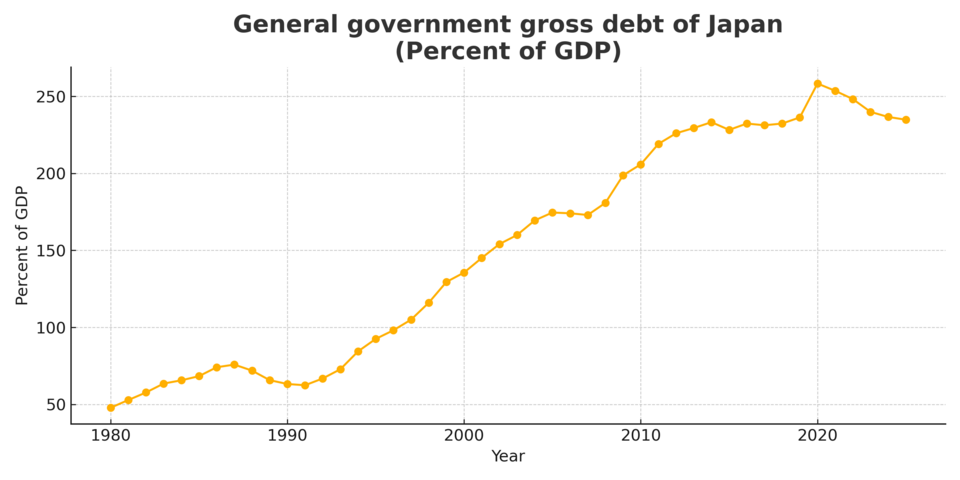
@saper Is there a magical number where it all breaks down? Germany is extremely cautious with gov. spending and the debt is 60% of GDP. The number itself does not invalidate the point @AwetTesfaiesus is making.
IMHO: We are living below our standards because the german government is afraid of a big numbers on the budget plan.
-
@AwetTesfaiesus Aber halt auch
https://en.wikipedia.org/wiki/National_debt_of_Japan#/media/File:Japan_govt_debt_percent_gdp_1980_2025.png
Ohne Wachstum können Staatsschulden nicht zurückgezahlt werden und während die *absoluten* Schulden ~egal sind, sind die relativen halt schon wichtig (weil der Anteil des Haushaltes, der an Zinszahlung geht entsprechend wächst).Insgesamt ist das glaub ich gerade nicht super gut bestellt um die japanische Wirtschaft, oder?
Also, man kann vielleicht ein System bauen ohne Wachstum, aber Japan gerade ist glaub ich kein gutes Beispiel.
@Merovius
Wachstum in einer alternden und schrumpfenden Gesellschaft ist halt schwierig.
@AwetTesfaiesus -
@Merovius
Wachstum in einer alternden und schrumpfenden Gesellschaft ist halt schwierig.
@AwetTesfaiesus -
@saper Is there a magical number where it all breaks down? Germany is extremely cautious with gov. spending and the debt is 60% of GDP. The number itself does not invalidate the point @AwetTesfaiesus is making.
IMHO: We are living below our standards because the german government is afraid of a big numbers on the budget plan.
-
@saper Is there a magical number where it all breaks down? Germany is extremely cautious with gov. spending and the debt is 60% of GDP. The number itself does not invalidate the point @AwetTesfaiesus is making.
IMHO: We are living below our standards because the german government is afraid of a big numbers on the budget plan.
I find the question pointed by @AwetTesfaiesus very interesting to analyze, with no "easy" answers.
What worries me personally: who is going to be a decision maker in such a country - the taxpayers or the investors

-
@AwetTesfaiesus
Kapitalismus braucht Wachstum. Frag mal Ulrike Herrmann.
Und wenn Du jetzt sagst: Dann brauchen wir was Anderes! Gern. Wie kommen wir da hin? Das weiß leider niemand.
@Merovius -
@AwetTesfaiesus
Kapitalismus braucht Wachstum. Frag mal Ulrike Herrmann.
Und wenn Du jetzt sagst: Dann brauchen wir was Anderes! Gern. Wie kommen wir da hin? Das weiß leider niemand.
@Merovius@oneiros @AwetTesfaiesus @Merovius
Aber es wird höchste Zeit, das mal ernsthaft und sachlich drüber zu diskutieren und vor allem auszuprobieren.Es ist ja ganz richtig: Wir leben schon so lange im "klassischen" Kapitalismus, dass wir kaum eine Vorstellung von Alternativen haben und noch weniger den Mut, sie auszuprobieren.
Mir ist auch bewusst, dass dieser Mut einer ganzen Gesellschaft inne wohnen muss - nicht bloß "den Entscheidern" - damit wir besonnen damit umgehen.
-
@AwetTesfaiesus
Kapitalismus braucht Wachstum. Frag mal Ulrike Herrmann.
Und wenn Du jetzt sagst: Dann brauchen wir was Anderes! Gern. Wie kommen wir da hin? Das weiß leider niemand.
@Merovius -
@oneiros @AwetTesfaiesus @Merovius
Aber es wird höchste Zeit, das mal ernsthaft und sachlich drüber zu diskutieren und vor allem auszuprobieren.Es ist ja ganz richtig: Wir leben schon so lange im "klassischen" Kapitalismus, dass wir kaum eine Vorstellung von Alternativen haben und noch weniger den Mut, sie auszuprobieren.
Mir ist auch bewusst, dass dieser Mut einer ganzen Gesellschaft inne wohnen muss - nicht bloß "den Entscheidern" - damit wir besonnen damit umgehen.
Schau, ich bin da entspannt: ~2080 hat die Welt, was Japan schon seit 2010 hat.
Die Frage ist doch nur: wie gestalten?
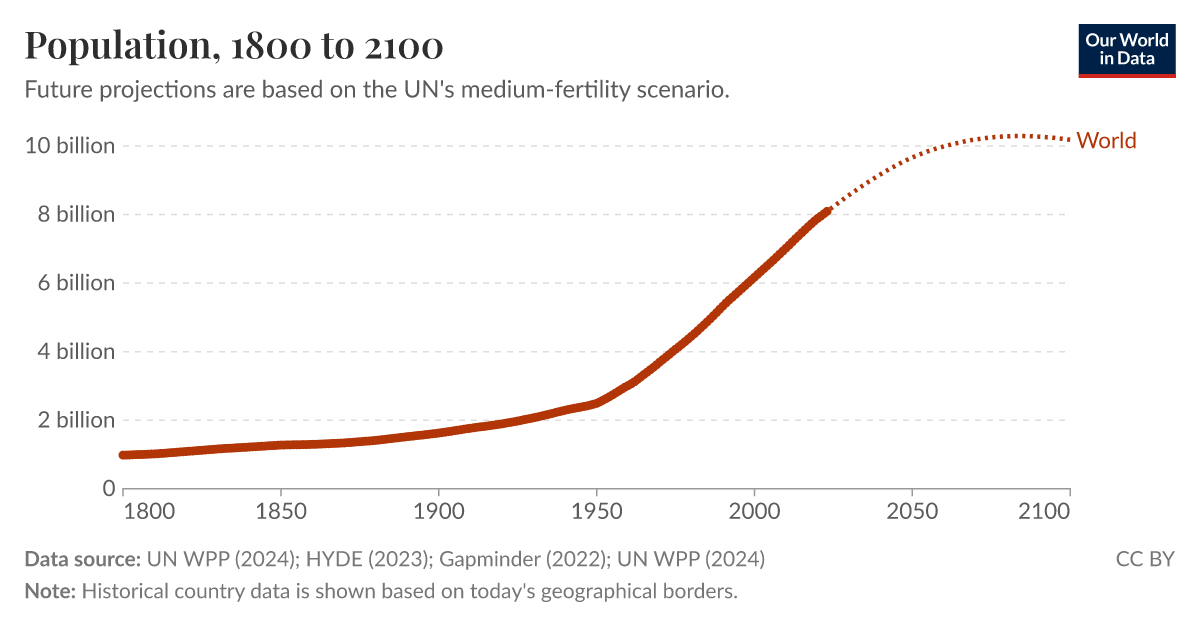
Population
Future projections are based on the UN's medium-fertility scenario.

Our World in Data (ourworldindata.org)
-
I find the question pointed by @AwetTesfaiesus very interesting to analyze, with no "easy" answers.
What worries me personally: who is going to be a decision maker in such a country - the taxpayers or the investors
-
Correct me if I’m wrong, but Japan has had near-#zerogrowth for almost 25 years now, and it seems the world hasn’t come to a halt and society hasn’t collapsed.
@AwetTesfaiesus "and society hasn’t collapsed" - not sure to which part this applies, but at least here in media we get to hear that's partly "because of so much investments from other countries" due to the weak Yen.
Weak Yen is leading to many tourists (to a degree word "overtourism" gets used here), that's also an uptick for economy.I compared Japan and Germany by the factors important to me at https://blog.fluxcoil.net/posts/2025/02/living-abroad-in-japan/ .
-
Schau, ich bin da entspannt: ~2080 hat die Welt, was Japan schon seit 2010 hat.
Die Frage ist doch nur: wie gestalten?
Population
Future projections are based on the UN's medium-fertility scenario.
Our World in Data (ourworldindata.org)
Kann man das eigentlich human gestalten?
Ich denke, nicht wirklich.