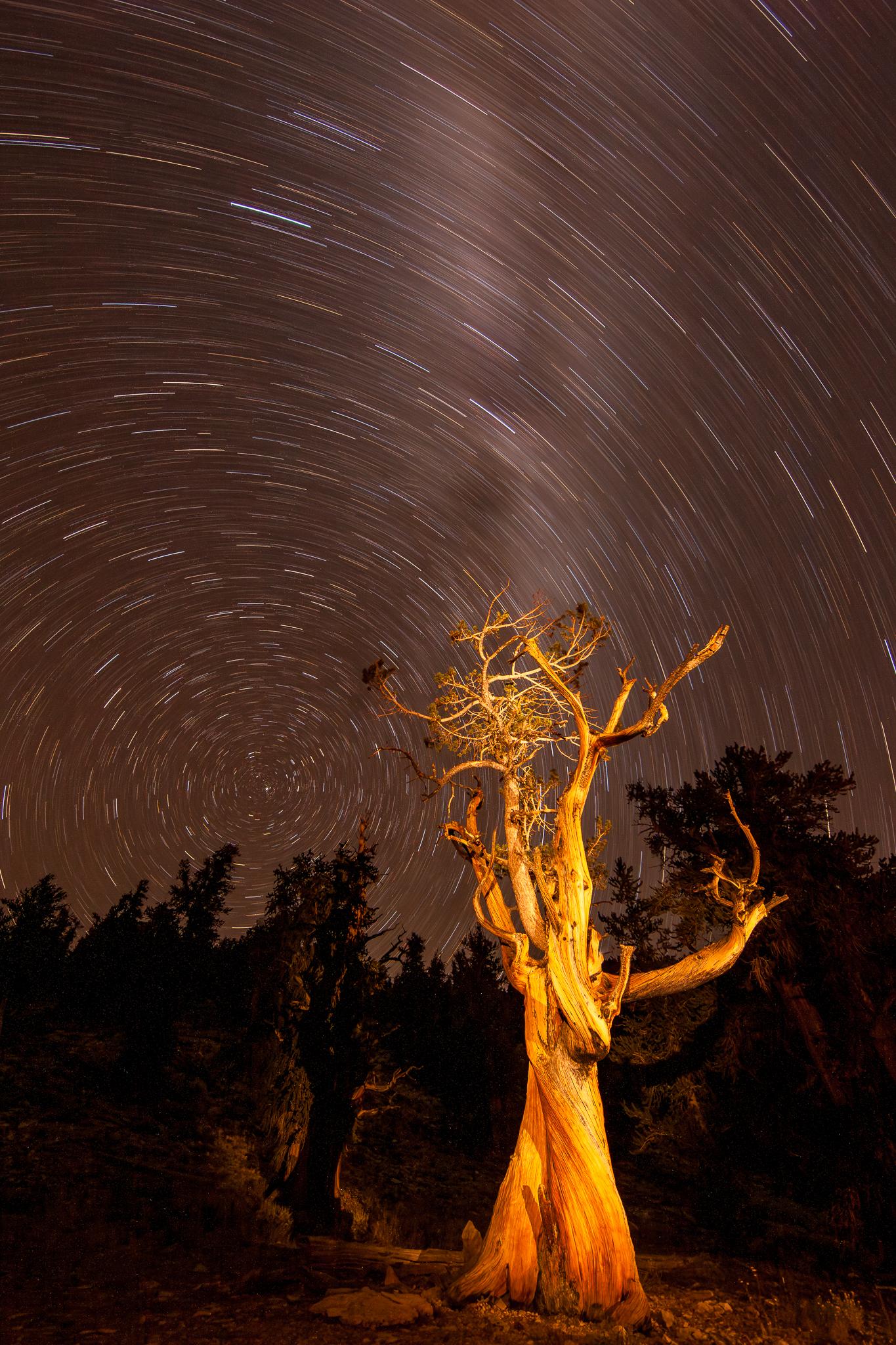
15 years ago, I co-authored my first paper in the field of #LightPollution studies: https://doi.org/10.1371/journal.pone.0017307

-
@jameshowell Oh no, sorry to hear that.
The Adler Teens program has taken Chicago teenagers to a park outside of the city and had the experience that some of the kids were terrified of getting off the bus, because "going out in the dark is dangerous" has been so deeply drilled into them by (well meaning) adults.
I think if I've remembered right they've generally had success getting everyone to see the stars, but it's a scary process for some people.
@skyglowberlin They were not afraid of the dark. They had a genuinely Lovecraftian moment when "CONFRONTED WITH THE COSMOS."
-
@skyglowberlin @reay @jameshowell Even the parks are becoming a problem. As someone who has been camping in parks for nearly 30 years, the last few years I've seen people put up floodlights on poles in their campsites that light up entire open areas, and they are projecting movies onto screens.
-
@skyglowberlin They were not afraid of the dark. They had a genuinely Lovecraftian moment when "CONFRONTED WITH THE COSMOS."
@jameshowell Got it. Man, what a scene, I can imagine why that stuck with you as a memory.
-
@jameshowell Got it. Man, what a scene, I can imagine why that stuck with you as a memory.
@jameshowell Very Issac Asimov "Nightfall"
-
@jameshowell Very Issac Asimov "Nightfall"
@skyglowberlin Just like that.
-
@skyglowberlin When I teach about retinal physiology, it breaks my heart. Often there isn't a single student who has ever experienced vision after true dark adaptation.
It turns out that—it takes time, but it's real—you can see by starlight. And the faintest stars you see? That's a single rod cell detecting A SINGLE PHOTON. Your retina is that sensitive.
Before 1879 this was an absolutely universal human experience. Now it's exotic, unimaginable.
@jameshowell @siracusa @skyglowberlin What I miss most about my hometown in rural eastern Washington State is the night sky.
It wasn't akin to being in Antarctica or anything, but I DID grow up being able to stare up to see the “band” of the Milky Way. One of my first major interests as a kid was astronomy. Even had my own telescope.
-
@skyglowberlin I teach large university science courses. Hundreds of fairly privileged students in the room. It has been my habit to ask them to raise their hands if they have ever seen the Milky Way.
The results have always been disappointing. Over the past 20 years it has gotten worse and worse. Recently many students don't even know what I mean by the question, and I have to explain what a dark sky looks like.
"Raise your hand if you have ever been awed by a clear dark sky full of countless, countless stars." Always less than 5%.
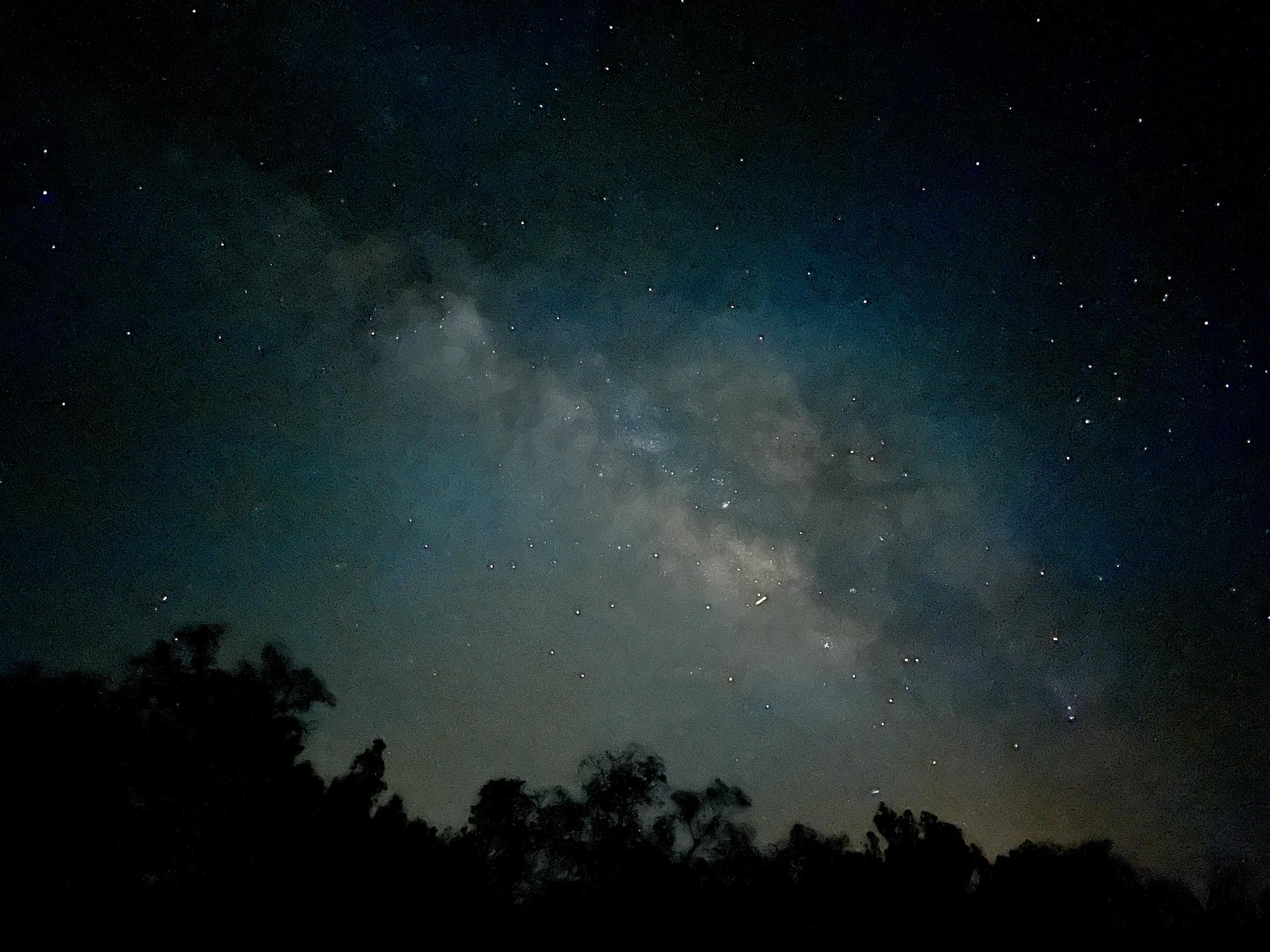
@jameshowell @skyglowberlin @siracusa It’s truly awe inspiring, isn’t it?
Copper Breaks State Park, TX — Bortle Class 2 dark sky designated.
Taken with my iPhone 14 Pro, merely leaning against a bench, in July 2024.
-
@jameshowell @siracusa @skyglowberlin What I miss most about my hometown in rural eastern Washington State is the night sky.
It wasn't akin to being in Antarctica or anything, but I DID grow up being able to stare up to see the “band” of the Milky Way. One of my first major interests as a kid was astronomy. Even had my own telescope.
@jameshowell @siracusa @skyglowberlin I now live just outside of Los Angeles.
LA has made great strides in reducing air pollution, but light pollution still basically precludes any real observation of the night sky. Stars are barely a thing here.
If I were a kid living here I very much doubt I'd have developed that interest in astronomy.
-
@jameshowell @siracusa @skyglowberlin What I miss most about my hometown in rural eastern Washington State is the night sky.
It wasn't akin to being in Antarctica or anything, but I DID grow up being able to stare up to see the “band” of the Milky Way. One of my first major interests as a kid was astronomy. Even had my own telescope.
@jeff @jameshowell @siracusa @skyglowberlin Ditto my hometown in eastern Idaho. I remember flying home from school in Houston for Christmas back in the late 1980s, stepping out the airport door, and OMG, I haven't seen so many stars in a loooong time.
-
@skyglowberlin I teach large university science courses. Hundreds of fairly privileged students in the room. It has been my habit to ask them to raise their hands if they have ever seen the Milky Way.
The results have always been disappointing. Over the past 20 years it has gotten worse and worse. Recently many students don't even know what I mean by the question, and I have to explain what a dark sky looks like.
"Raise your hand if you have ever been awed by a clear dark sky full of countless, countless stars." Always less than 5%.
-
@skyglowberlin When I teach about retinal physiology, it breaks my heart. Often there isn't a single student who has ever experienced vision after true dark adaptation.
It turns out that—it takes time, but it's real—you can see by starlight. And the faintest stars you see? That's a single rod cell detecting A SINGLE PHOTON. Your retina is that sensitive.
Before 1879 this was an absolutely universal human experience. Now it's exotic, unimaginable.
@jameshowell @skyglowberlin When I would take my kids camping far far away from the city lights, we would always go out late at night, down to the beach at the river and lay there in the dark, looking at the stars for 30-60 minutes. And the kids always wanted to use their flashlights but I forbid them. They never had problems getting back to camp on the way back.

-
@skyglowberlin I teach large university science courses. Hundreds of fairly privileged students in the room. It has been my habit to ask them to raise their hands if they have ever seen the Milky Way.
The results have always been disappointing. Over the past 20 years it has gotten worse and worse. Recently many students don't even know what I mean by the question, and I have to explain what a dark sky looks like.
"Raise your hand if you have ever been awed by a clear dark sky full of countless, countless stars." Always less than 5%.
Thirty years ago I went on a weeklong journey through an African desert. We slept on the sand under the stars. I had never seen anything like it and I've never seen anything like it ever again. It changed my view of the world.
-
@skyglowberlin When I teach about retinal physiology, it breaks my heart. Often there isn't a single student who has ever experienced vision after true dark adaptation.
It turns out that—it takes time, but it's real—you can see by starlight. And the faintest stars you see? That's a single rod cell detecting A SINGLE PHOTON. Your retina is that sensitive.
Before 1879 this was an absolutely universal human experience. Now it's exotic, unimaginable.
@jameshowell @skyglowberlin a few years ago I joined a Meetup for a night walk in the Japanese alps. The guide, who also sailed, gave us red LEDs to get to our starting point, where there was no artificial light. Then we turned the torches off and waited half an hour for our eyes to adapt. It was amazing, I’d never experienced anything like it.
-
@jameshowell @siracusa @skyglowberlin What I miss most about my hometown in rural eastern Washington State is the night sky.
It wasn't akin to being in Antarctica or anything, but I DID grow up being able to stare up to see the “band” of the Milky Way. One of my first major interests as a kid was astronomy. Even had my own telescope.
@jeff @jameshowell @siracusa You can still see the Milky Way outside of the small town where I grew up, but it's a lot more washed out than it was when I was a child, and the glow from Edmonton that used to be contained towards one horizon has stretched to the Zenith.
-
@vik @jameshowell I don't have much experience with caves (or access to them), but I've had similar experiences in indoor spaces with strong light shielding.
-
@venya @skyglowberlin I can't beat that story, but I got two stories.
In 2005 outside the refugio just below the summit of Champaqui about 60 km southwest of Córdoba Argentina. Clearest darkest sky I have experienced and golly, the southern hemisphere sky is disorienting. We were far from home.
In 1990 in rural Ohio with two young women who had grown up in Tokyo. They had never seen a non-urban night sky. Parked the car next to a cornfield, told them I had a treat for them. They flew into a blind panic. Screaming, crying, covering their eyes.
@jameshowell @venya @skyglowberlin
This reminds me of the Krikkiters as told by Douglas Adams.«Upon first witnessing the glory and splendor of the Universe, they casually, whimsically, decided to destroy it, remarking, "It'll have to go."»
-
@jameshowell @venya @skyglowberlin
This reminds me of the Krikkiters as told by Douglas Adams.«Upon first witnessing the glory and splendor of the Universe, they casually, whimsically, decided to destroy it, remarking, "It'll have to go."»
-
@skyglowberlin I teach large university science courses. Hundreds of fairly privileged students in the room. It has been my habit to ask them to raise their hands if they have ever seen the Milky Way.
The results have always been disappointing. Over the past 20 years it has gotten worse and worse. Recently many students don't even know what I mean by the question, and I have to explain what a dark sky looks like.
"Raise your hand if you have ever been awed by a clear dark sky full of countless, countless stars." Always less than 5%.
@jameshowell @skyglowberlin I grew up in Chicago. In college, I took a class on the history of astronomy (great class), and I was puzzled how all those naked-eye astronomers could make their observations. Then I went on a road trip through the western states with a roommate, and at some point around 3 AM in the middle of New Mexico, he pulled over and said “get out.” I got out. He said “look up.” I looked up. And I got it.
-
@skyglowberlin When I teach about retinal physiology, it breaks my heart. Often there isn't a single student who has ever experienced vision after true dark adaptation.
It turns out that—it takes time, but it's real—you can see by starlight. And the faintest stars you see? That's a single rod cell detecting A SINGLE PHOTON. Your retina is that sensitive.
Before 1879 this was an absolutely universal human experience. Now it's exotic, unimaginable.
@jameshowell @skyglowberlin if you talk to people who experienced the three-day power outage in Ontario in a big city you’ll often find that is one of their most profound memories of the event.
-
@jameshowell Yup. If I won the lottery, one of the studies I would love to fund would be to see whether adults who grew up in rural settings have superior night vision to those who grew up in the city.
If you never train your visual system to see with rods only, does it still develop normally?
@skyglowberlin @jameshowell I’ve been an amateur astronomer since I was 11 and had a home darkroom for photography soon after. I’ve let people know what can be done and seen in low light.
One time, winter hiking in New Hampshire, my flashlight batteries died and I hiked another 2 miles under just the illumination of a clear night sky. Mars was the brightest thing out.



 ️
️