The Vasa sank in 1628 because the people who knew it would sink didn't feel able to say so to the people who could have done something about it.
-
The Vasa sank in 1628 because the people who knew it would sink didn't feel able to say so to the people who could have done something about it.
We wrote up the full case study — Vasa Syndrome, authority gradients, and what the sister ship tells us about organisational learning.
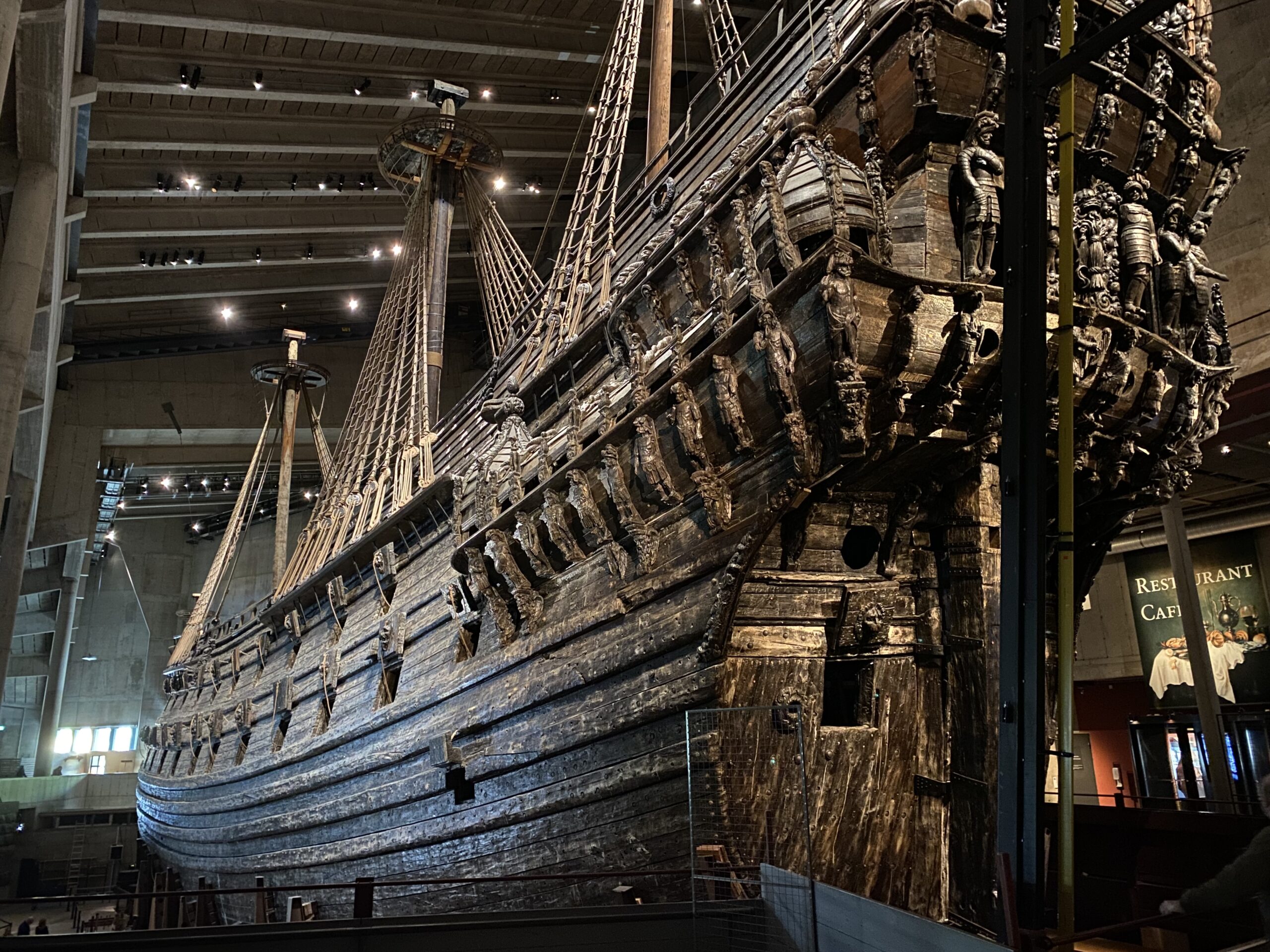
The Vasa
The Vasa Disaster A few years ago, I was working for a client in Stockholm and in some free time, I visited the wreck of the Vasa, the world’s best-preserved 17th-century ship. She’s housed in a museum built specifically around […]

Psych Safety (psychsafety.com)
@tom_geraghty oooph. The groupthink is strong with that one.
-
The Vasa sank in 1628 because the people who knew it would sink didn't feel able to say so to the people who could have done something about it.
We wrote up the full case study — Vasa Syndrome, authority gradients, and what the sister ship tells us about organisational learning.
The Vasa
The Vasa Disaster A few years ago, I was working for a client in Stockholm and in some free time, I visited the wreck of the Vasa, the world’s best-preserved 17th-century ship. She’s housed in a museum built specifically around […]
Psych Safety (psychsafety.com)
@tom_geraghty
 In my career, I've worked on two books—20 years apart—that identified similar issues of mission creep and the inability of lower-level people to right the ship, so to speak.
 Those are: "Tyranny of Consensus: Discourse and Dissent in National Security Policy," by Janne E. Nolan (2013), and "Narcissistic Process and Corporate Decay: The Theory of the Organizational Ideal," by Howard S. Schwartz (1992).
-
The Vasa sank in 1628 because the people who knew it would sink didn't feel able to say so to the people who could have done something about it.
We wrote up the full case study — Vasa Syndrome, authority gradients, and what the sister ship tells us about organisational learning.
The Vasa
The Vasa Disaster A few years ago, I was working for a client in Stockholm and in some free time, I visited the wreck of the Vasa, the world’s best-preserved 17th-century ship. She’s housed in a museum built specifically around […]
Psych Safety (psychsafety.com)
@tom_geraghty I've visited Vasamuseet three times and I'd go a fourth time next Stockholm trip!
So I had to read that post and boy I was so not disappointed. Very nicely written!
-
Quite an interesting read, thanks! Modern corporations are essentially dictatorships, where an executive can fire someone for anything negative, or really anything at all. Or prevent any future promotions.
I don't think that's a solvable problem in for-profit corporations.
@elasticsoul @tom_geraghty Oceangate.
-
The Vasa sank in 1628 because the people who knew it would sink didn't feel able to say so to the people who could have done something about it.
We wrote up the full case study — Vasa Syndrome, authority gradients, and what the sister ship tells us about organisational learning.
The Vasa
The Vasa Disaster A few years ago, I was working for a client in Stockholm and in some free time, I visited the wreck of the Vasa, the world’s best-preserved 17th-century ship. She’s housed in a museum built specifically around […]
Psych Safety (psychsafety.com)
@tom_geraghty they should call ths stockholm syndrome
-
The Vasa sank in 1628 because the people who knew it would sink didn't feel able to say so to the people who could have done something about it.
We wrote up the full case study — Vasa Syndrome, authority gradients, and what the sister ship tells us about organisational learning.
The Vasa
The Vasa Disaster A few years ago, I was working for a client in Stockholm and in some free time, I visited the wreck of the Vasa, the world’s best-preserved 17th-century ship. She’s housed in a museum built specifically around […]
Psych Safety (psychsafety.com)
"It looks like a demonstration ship – one designed to satisfy an ego rather than to perform"
... in other words, a 17th-century Cybertruck?
I mainly know about the Vasa because the Swedish post office released a set of stamps in 1969 featuring engravings on the ship and various of its carvings (the stamps themselves were designed by a very famous stamp engraver).
-
The Vasa sank in 1628 because the people who knew it would sink didn't feel able to say so to the people who could have done something about it.
We wrote up the full case study — Vasa Syndrome, authority gradients, and what the sister ship tells us about organisational learning.
The Vasa
The Vasa Disaster A few years ago, I was working for a client in Stockholm and in some free time, I visited the wreck of the Vasa, the world’s best-preserved 17th-century ship. She’s housed in a museum built specifically around […]
Psych Safety (psychsafety.com)
That's such a succinct way of putting it.
-
The Vasa sank in 1628 because the people who knew it would sink didn't feel able to say so to the people who could have done something about it.
We wrote up the full case study — Vasa Syndrome, authority gradients, and what the sister ship tells us about organisational learning.
The Vasa
The Vasa Disaster A few years ago, I was working for a client in Stockholm and in some free time, I visited the wreck of the Vasa, the world’s best-preserved 17th-century ship. She’s housed in a museum built specifically around […]
Psych Safety (psychsafety.com)
@tom_geraghty Vasa is probably one of my favorite Swedish artefacts and I love that we have an entire museum dedicated to it. We wouldn't have such a well-preserved ship if it wasn't absolutely dogshit.
Honestly, that makes me think about the way our perception of history might be skewed because the things that survive to get into museums are whatever things people didn't completely use up, and sometimes they didn't use it up because it was terrible.
One example of this I've seen play out is fantasy authors looking at jousting armor for inspiration, cus that's what a lot of museums have. It's not that those armors are terrible for their intended purpose, but it's a little like a far future historical fiction writers putting their 21st century soldiers in Hockey pads and football helmets. Like those are authentic 21st century armor, but it still looks pretty funny to see someone wearing on the battlefield.
-
The Vasa sank in 1628 because the people who knew it would sink didn't feel able to say so to the people who could have done something about it.
We wrote up the full case study — Vasa Syndrome, authority gradients, and what the sister ship tells us about organisational learning.
The Vasa
The Vasa Disaster A few years ago, I was working for a client in Stockholm and in some free time, I visited the wreck of the Vasa, the world’s best-preserved 17th-century ship. She’s housed in a museum built specifically around […]
Psych Safety (psychsafety.com)
@tom_geraghty The two different rulers ... Now where else have we seen that?


-
The Vasa sank in 1628 because the people who knew it would sink didn't feel able to say so to the people who could have done something about it.
We wrote up the full case study — Vasa Syndrome, authority gradients, and what the sister ship tells us about organisational learning.
The Vasa
The Vasa Disaster A few years ago, I was working for a client in Stockholm and in some free time, I visited the wreck of the Vasa, the world’s best-preserved 17th-century ship. She’s housed in a museum built specifically around […]
Psych Safety (psychsafety.com)
@tom_geraghty
Now read this again while thinking about how kings (a.k.a CEOs) are trying to shoehorn AI into everything. -
The Vasa sank in 1628 because the people who knew it would sink didn't feel able to say so to the people who could have done something about it.
We wrote up the full case study — Vasa Syndrome, authority gradients, and what the sister ship tells us about organisational learning.
The Vasa
The Vasa Disaster A few years ago, I was working for a client in Stockholm and in some free time, I visited the wreck of the Vasa, the world’s best-preserved 17th-century ship. She’s housed in a museum built specifically around […]
Psych Safety (psychsafety.com)
@tom_geraghty I visited the Vasa museum last year, and when the tour guide was explaining how failure to listen to the test team led to the sinking, I was having horrible flashbacks to too many (thankfully non-fatal) years in software development...
-
R relay@relay.infosec.exchange shared this topic