
@TwraSun Immer bitte auch die Originalquelle mit angeben, credit where credit is due!

Merry Christmas (@lyndamerry484@mastodon.social)
Attached: 1 image Pay attention.

Mastodon (mastodon.social)
 T
T
@TwraSun Immer bitte auch die Originalquelle mit angeben, credit where credit is due!
Attached: 1 image Pay attention.
Mastodon (mastodon.social)
Re: rising hosting costs — I guess because self-hosting will become unaffordable for some people, they'll have to give up their own websites and re: Fediverse, it also will drive more people back to the centralized social media platforms in coming months/years, against their own will/preference... 
AFAICT Hetzner's price increase (from April) is 30-35%, but I'm sure this is not the end of it...
RE: https://cyberplace.social/@GossiTheDog/116120372885556232
It's already starting... @hetzner just announced a major price hike for their cloud products & storage...
@tsrono This is very beautiful! And it's always so nice to see/hear cellular automata being used this way! I think they have so much (untapped) potential for music/composition... Below is an old project of mine using 1D CAs in my custom generative composition system built for a 2-month long installation:

Attached: 1 video @DBG3D@masto.es @t36s@social.ordinal.garden Okay, I found another nice excerpt, a bit more minimal than the above, but maybe also more clear to hear the approach described earlier. Just to explain once more, all the samples used are only one-shot single notes (produced by Simon Pyke/Freefarm). All melodies, chords, chord progressions, rhythm and the overall arrangement are fully generated (mostly but not exclusively) via cellular automata. The composition system also had other means to create/control, e.g. probabilistically trigger the recording of notes/events of selected tracks/channels for a few bars and then replay these phrases later, maybe using a different time scale, transpose, mirror and/or with different instruments... This proved to be highly effective (and musical) in terms of longer progressions and to create more interesting multilayered compositions/progressions. Some phrases were kept in a memory pool for up to 12 hours (the piece ran for 3 months)... As you can hopefully tell, the visuals for that installation were audio-responsive (not really audio per se, but responding to the events of the composer). Likewise, if the visuals would become too agitated/intense, an event would be sent to the composer to quickly dial down/thin out the musical intensity (e.g. trigger tempo change, mute tracks, lower velocity etc.). This hybrid, coupled two-way feedback worked very well in practice and there were so many moments I wish I would have recordings of... #GenerativeArt #GenerativeMusic #MusicComposition #CellularAutomata #AudioReactive #Installation #VictoriaAlbertMuseum #Video

Mastodon Glitch Edition (mastodon.thi.ng)
RE: https://mastodon.social/@andrewnez/116108709896510035
"When a whale dies in the open ocean, its carcass sinks to the abyssal floor and becomes an ecosystem. Marine biologists call this a whale fall, and the body sustains life in three overlapping stages: mobile scavengers strip the soft tissue over months, enrichment opportunists colonise the bones and surrounding sediment for years, and chemosynthetic bacteria feed on the skeleton itself for decades, converting the lipids stored in bone into energy that supports entire communities of specialised organisms. A single whale fall can sustain life on an otherwise barren ocean floor for fifty years."
@baillehache_pascal Sparklers were also my first association when I saw these... The process is purely monochrome so far, the only (faint) color comes from a gradient map applied when exporting an image. There are however ways to add proper color by combining/superimposing multiple systems. They don't necessarily need to be additive, some of them could also be opaque or subtractive, which could lead to very interesting structures...
@coldclimate Well, thank you, sir! 
More variations of "Light Streaks" — generative photography... A small selection of long-exposures of randomly generated IFS (aka Iterated Function Systems). See start of thread for context and an explanation of the technique...
All of the variations in this post and the following ones are from the exact same system and choice of functions. The only variable here is the random seed number.
#Monochrome #Light #Simulation #LongExposure #Fractal #IFS #GenerativePhotography #GenerativeArt #AlgorithmicArt #ThingUmbrella #TypeScript
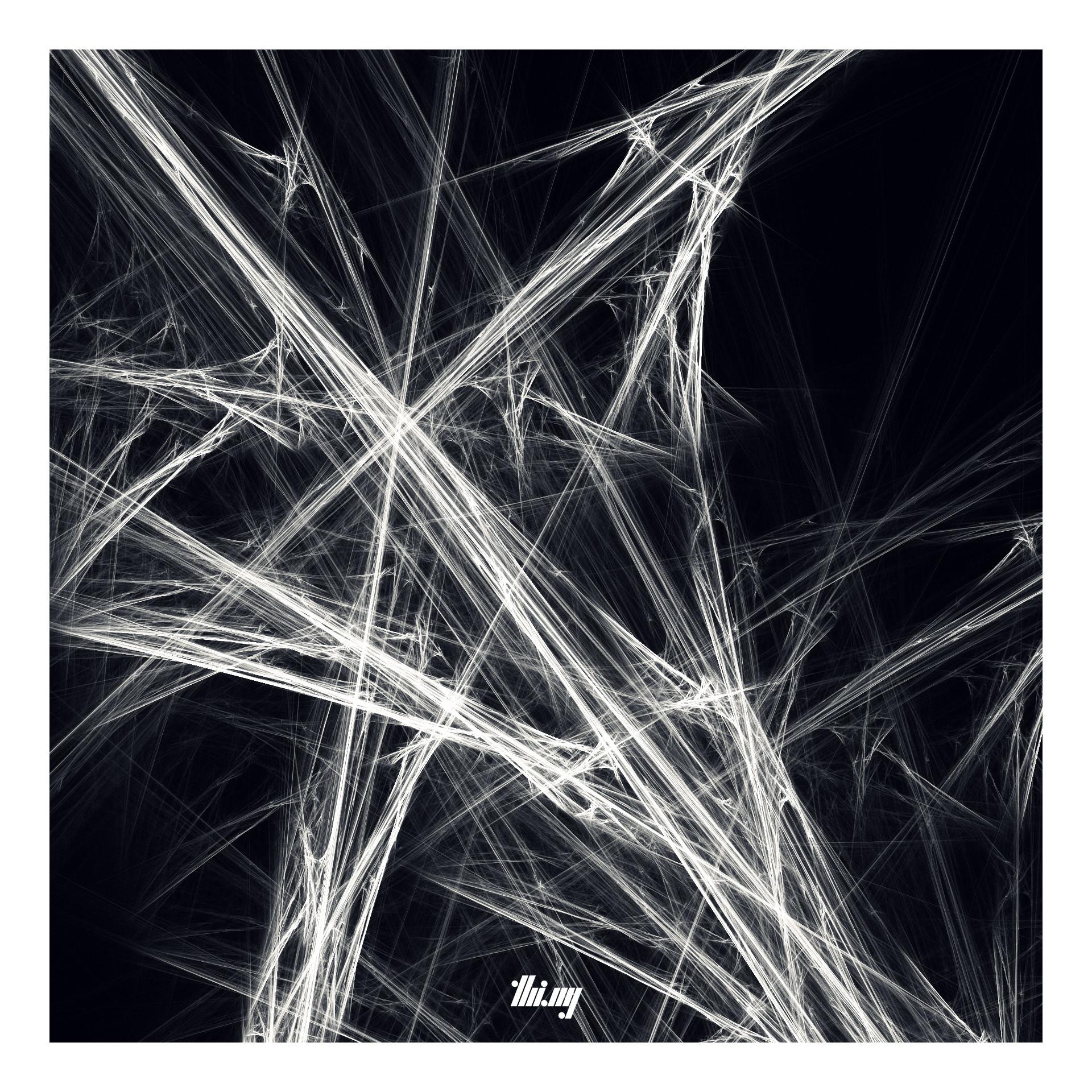
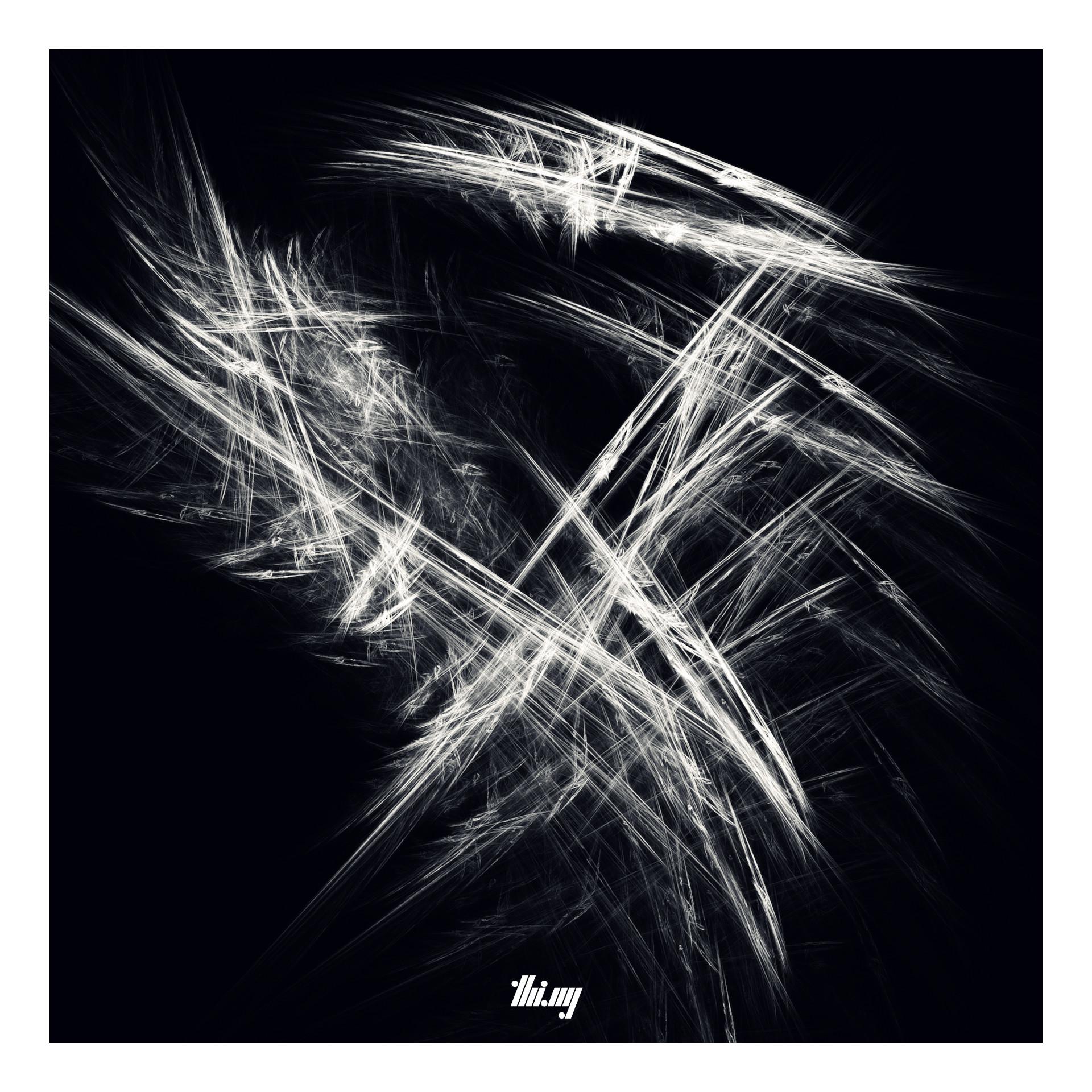
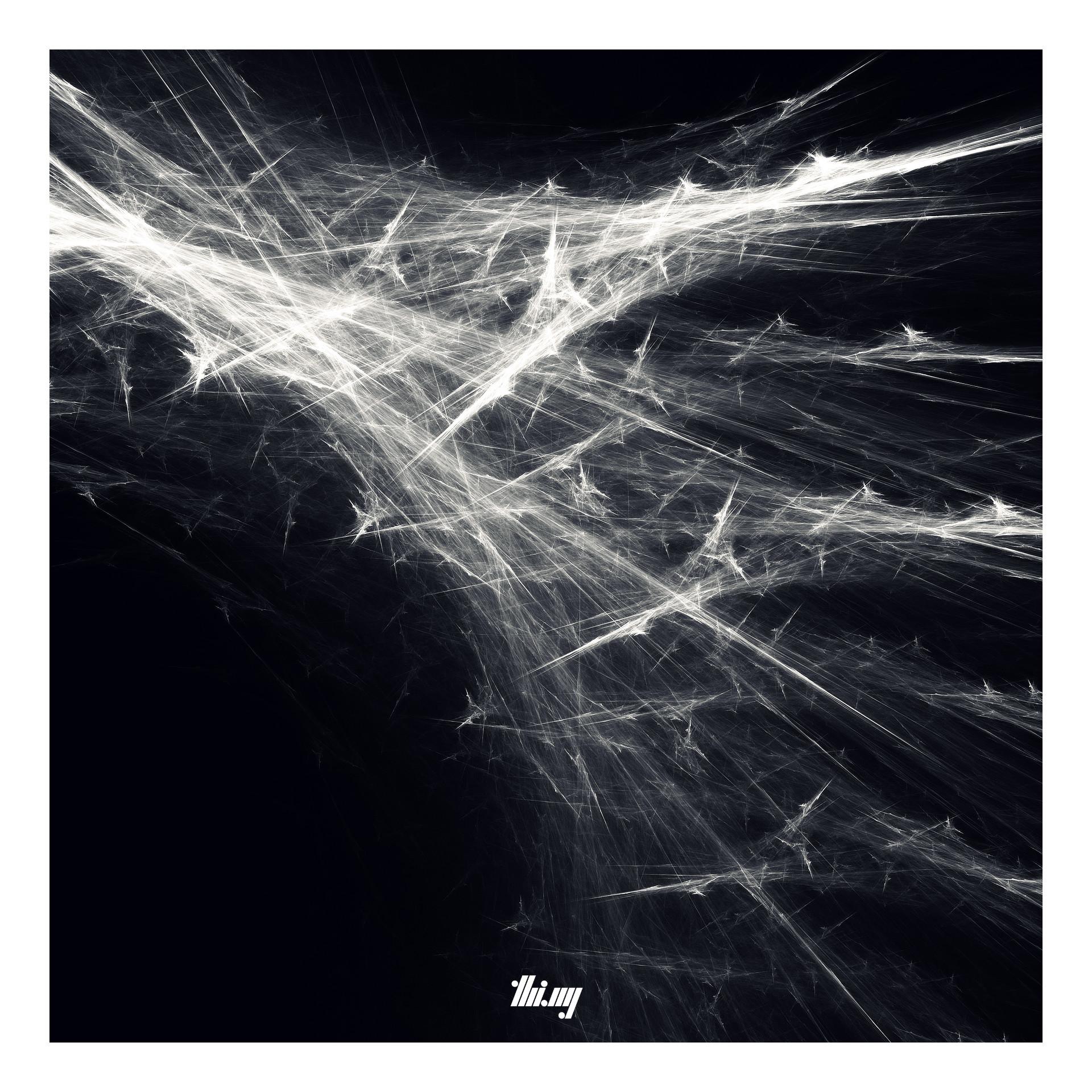
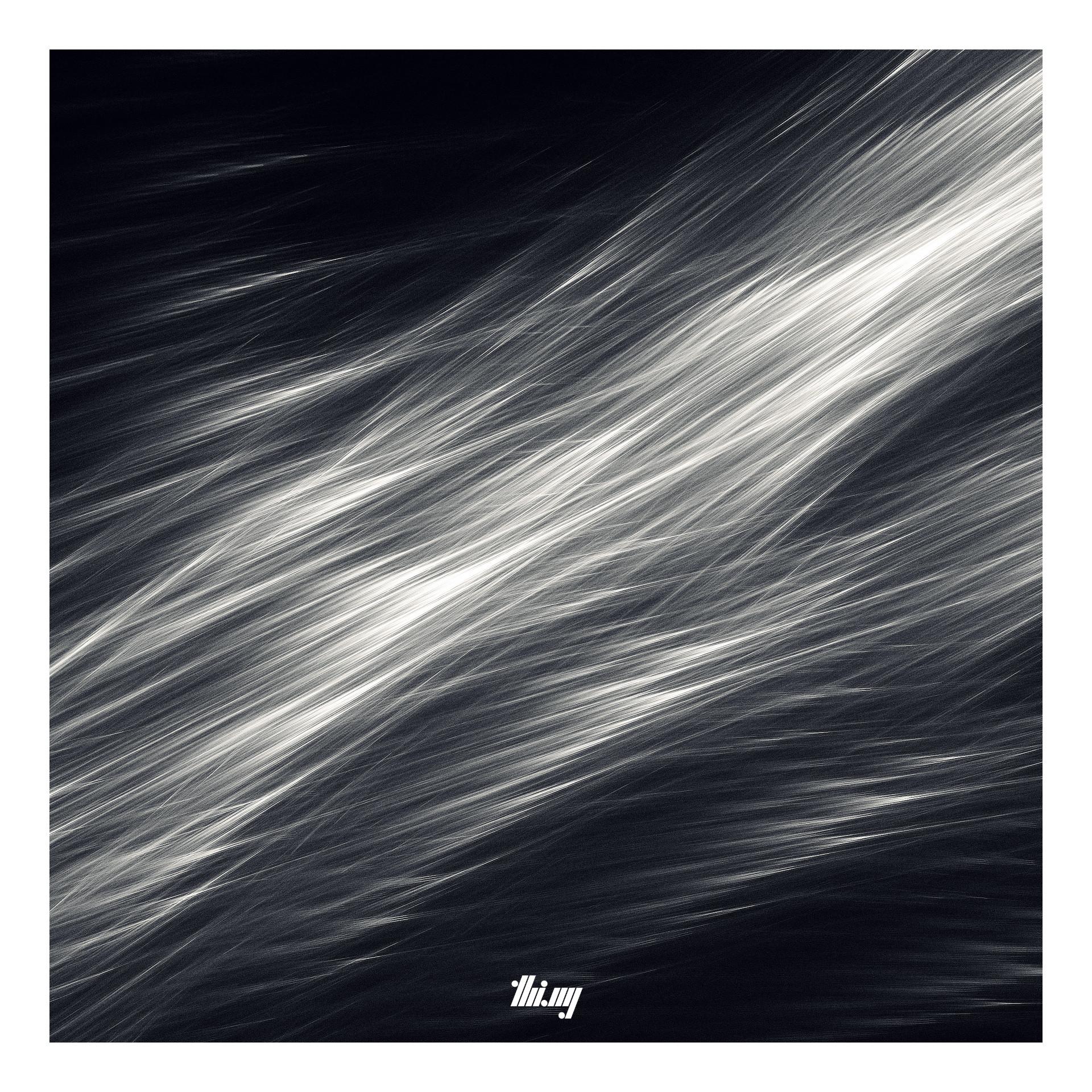
More variations of "Light Streaks" — generative photography... A small selection of long-exposures of randomly generated IFS (aka Iterated Function Systems). See start of thread for context and an explanation of the technique...
All of the variations in this post and the following ones are from the exact same system and choice of functions. The only variable here is the random seed number. There seem to be several families of outcomes produced, in this post a selection of textures & sparklers...
The sub-atomic fabric of space time?
#Monochrome #Light #Simulation #LongExposure #Fractal #IFS #GenerativePhotography #GenerativeArt #AlgorithmicArt #ThingUmbrella #TypeScript
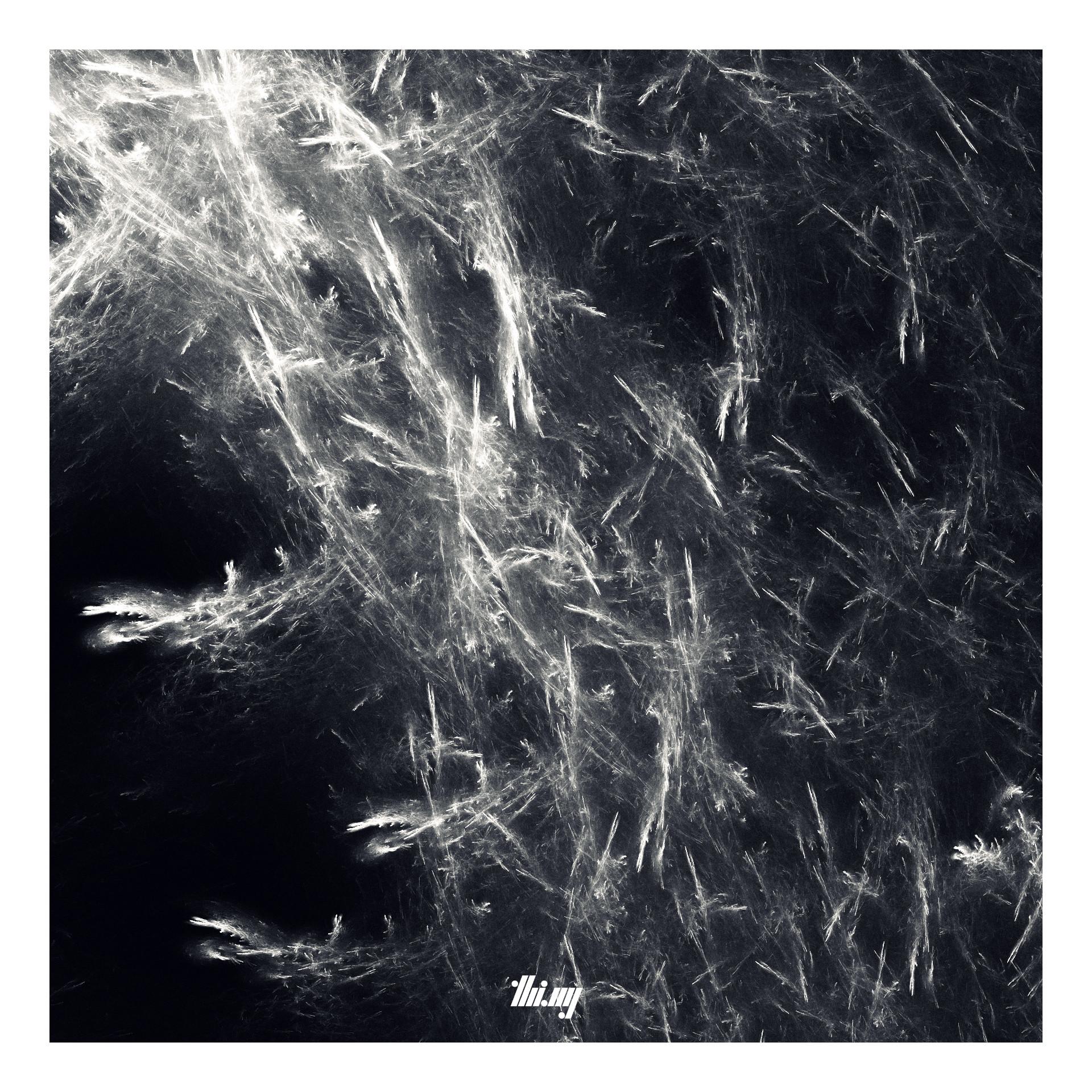
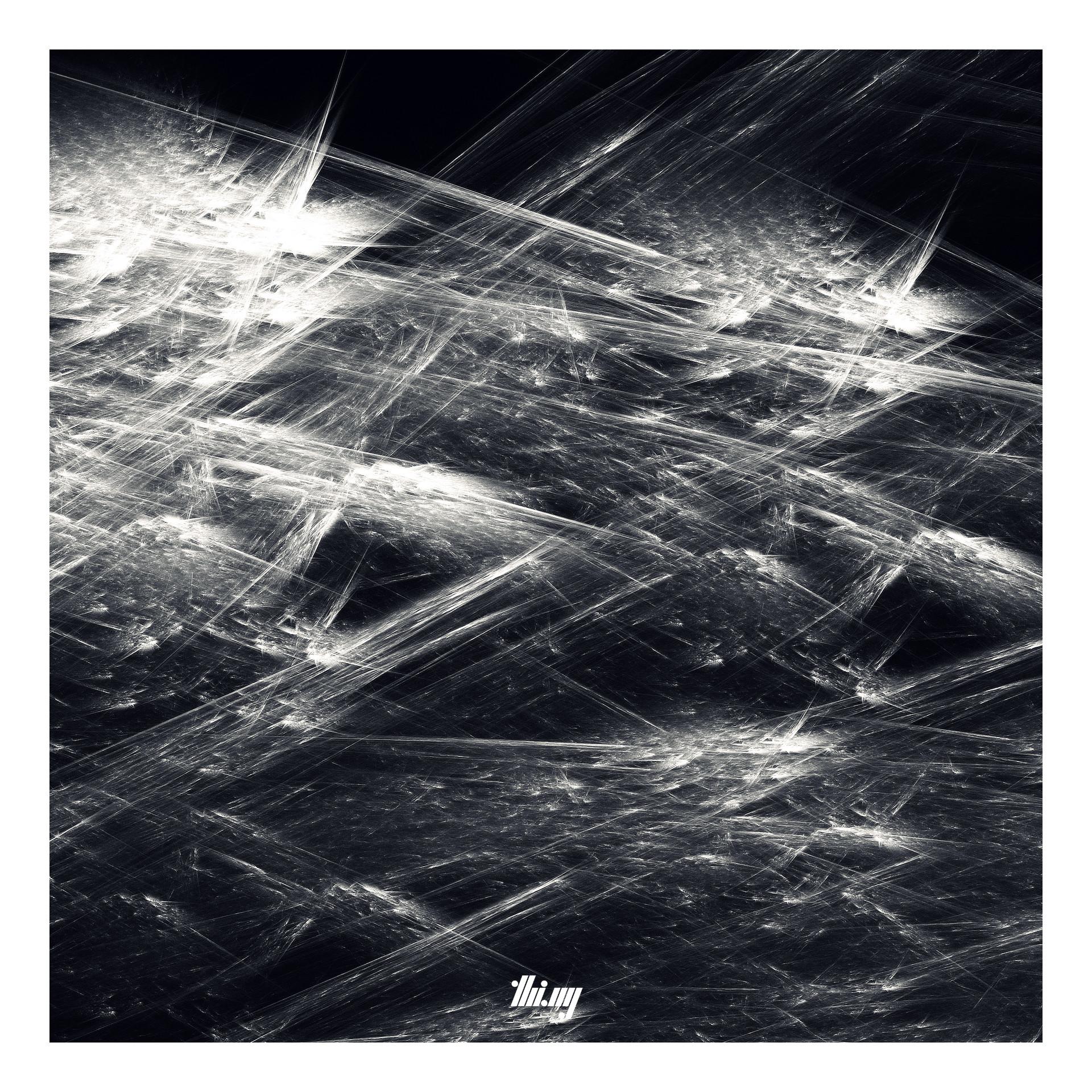
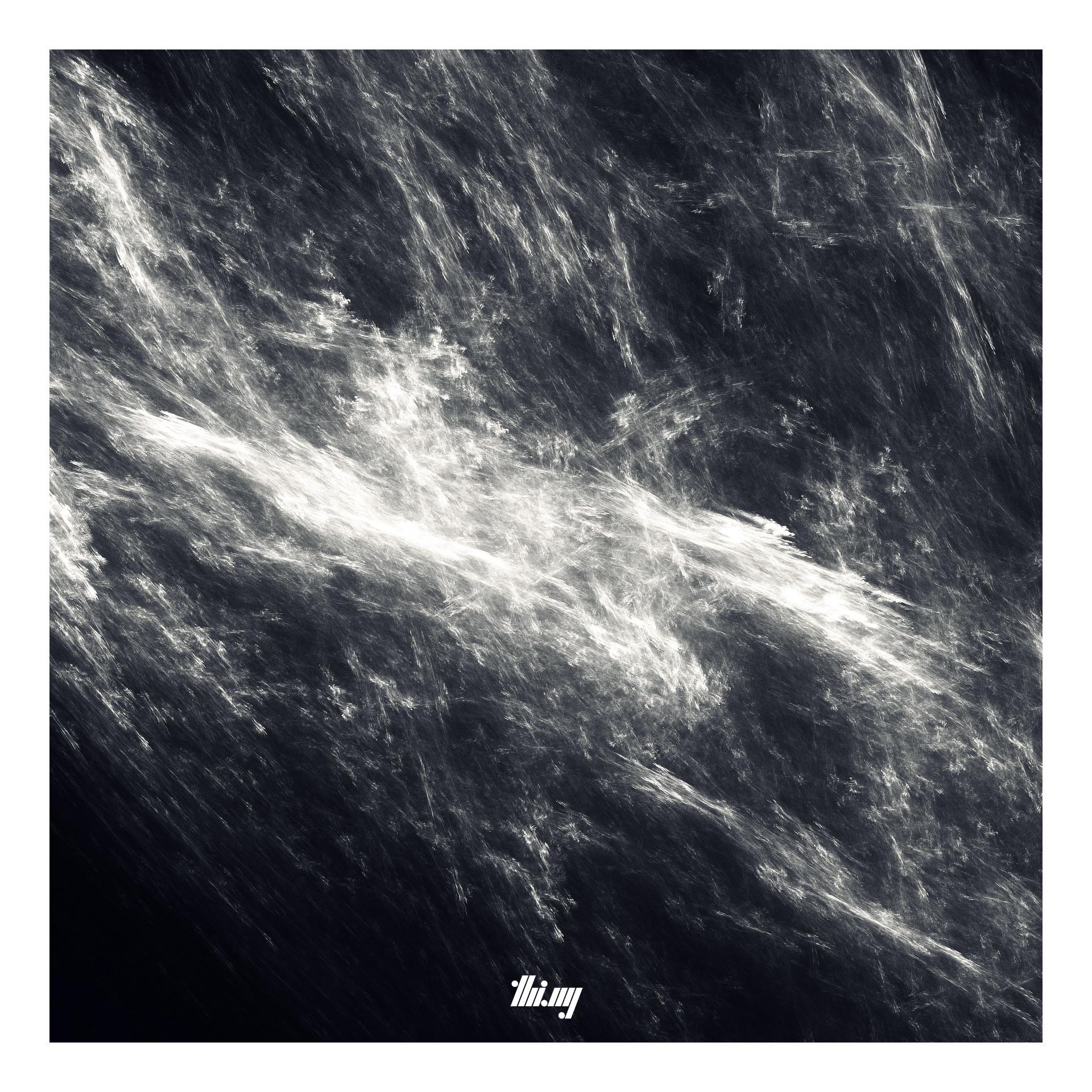
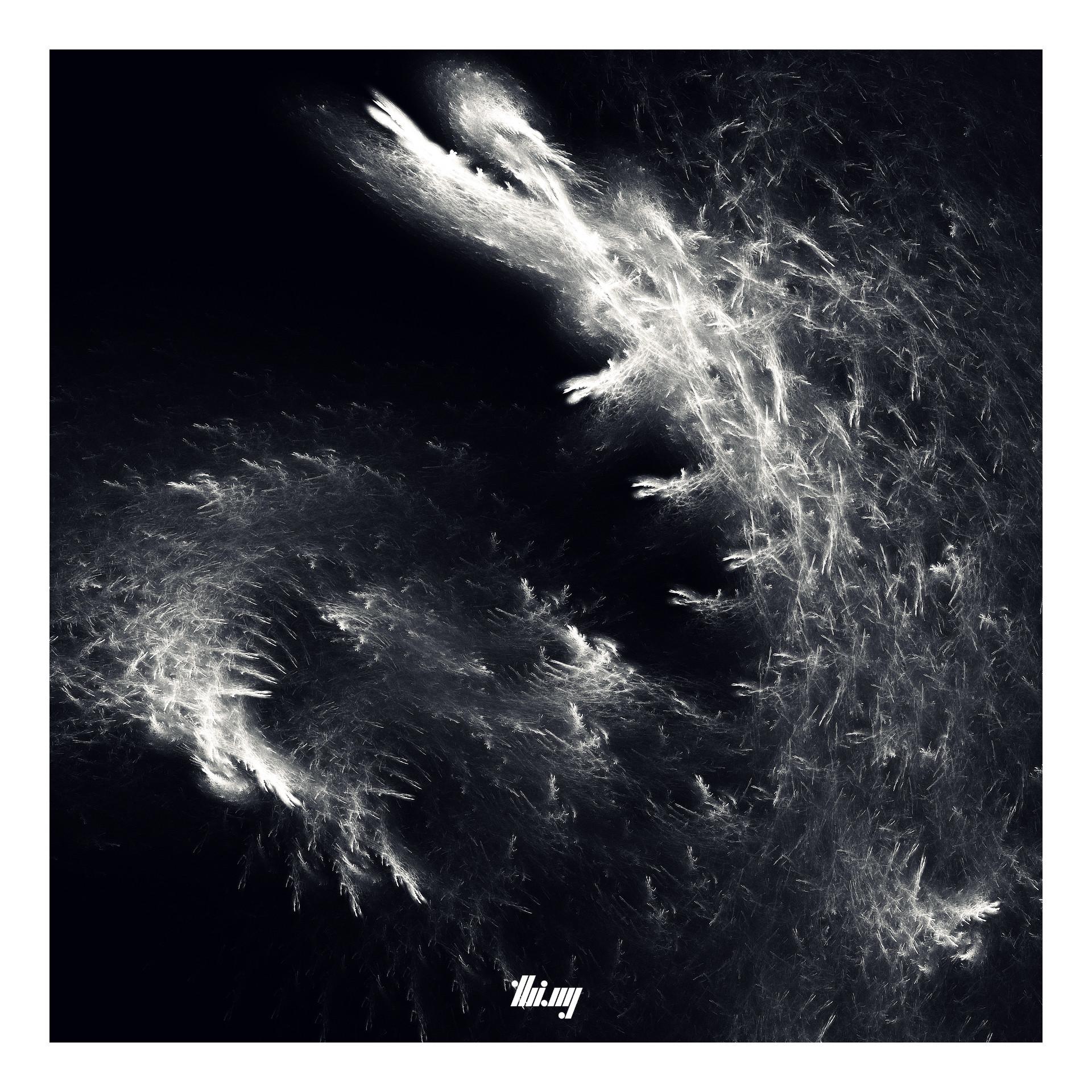
More variations of "Light Streaks" — generative photography... A small selection of long-exposures of randomly generated IFS (aka Iterated Function Systems). See start of thread for context and an explanation of the technique...
All of the variations in this post and the following ones are from the exact same system and choice of functions. The only variable here is the random seed number. There seem to be several families of outcomes produced, in this post a selection of "auroras"...
Each image is the result of around 2-4 billion iterations of light capture. Original resolution is 5120x5120 pixels. I will post a fullsize image later...
#Monochrome #Light #Simulation #LongExposure #Fractal #IFS #GenerativePhotography #GenerativeArt #AlgorithmicArt #ThingUmbrella #TypeScript
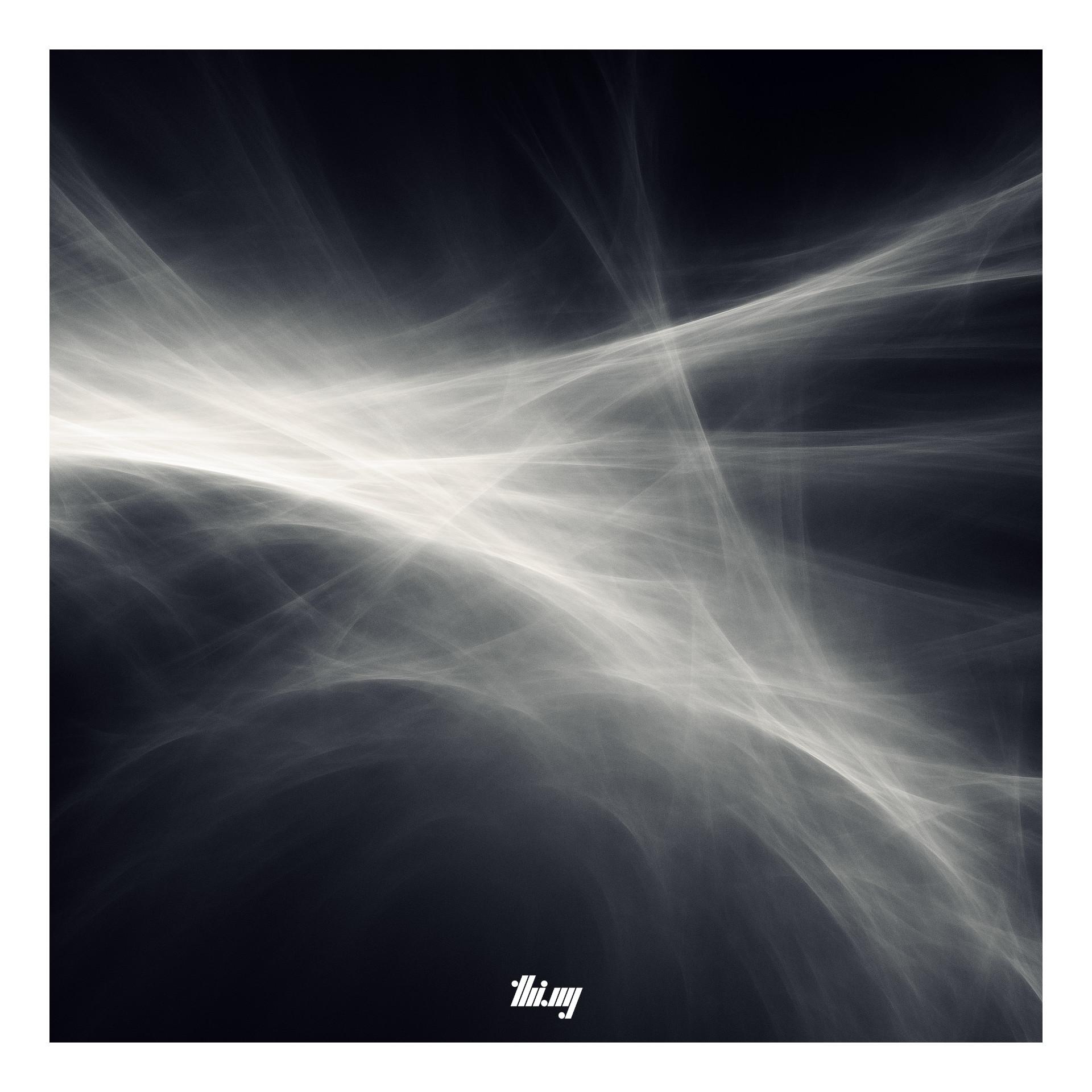
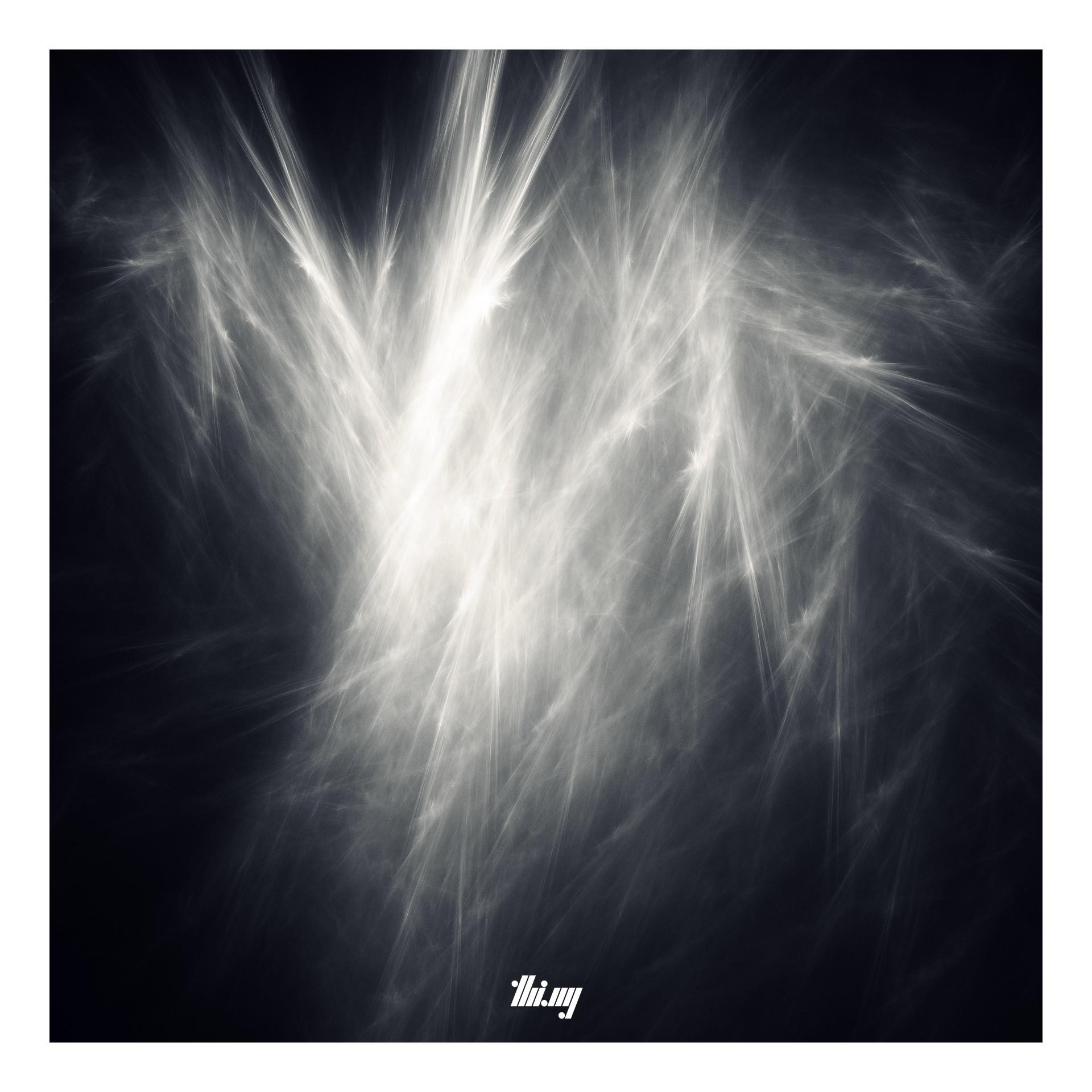
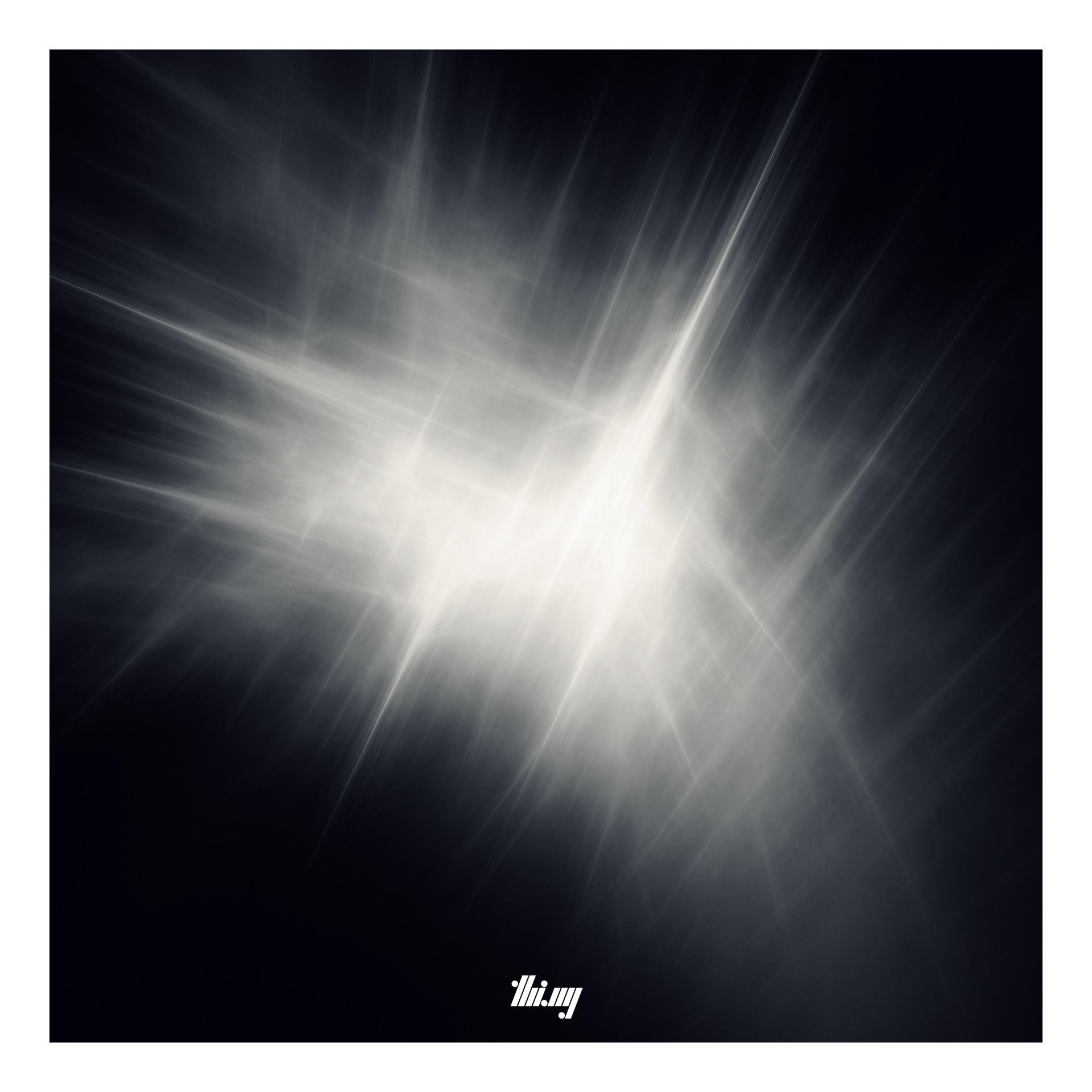
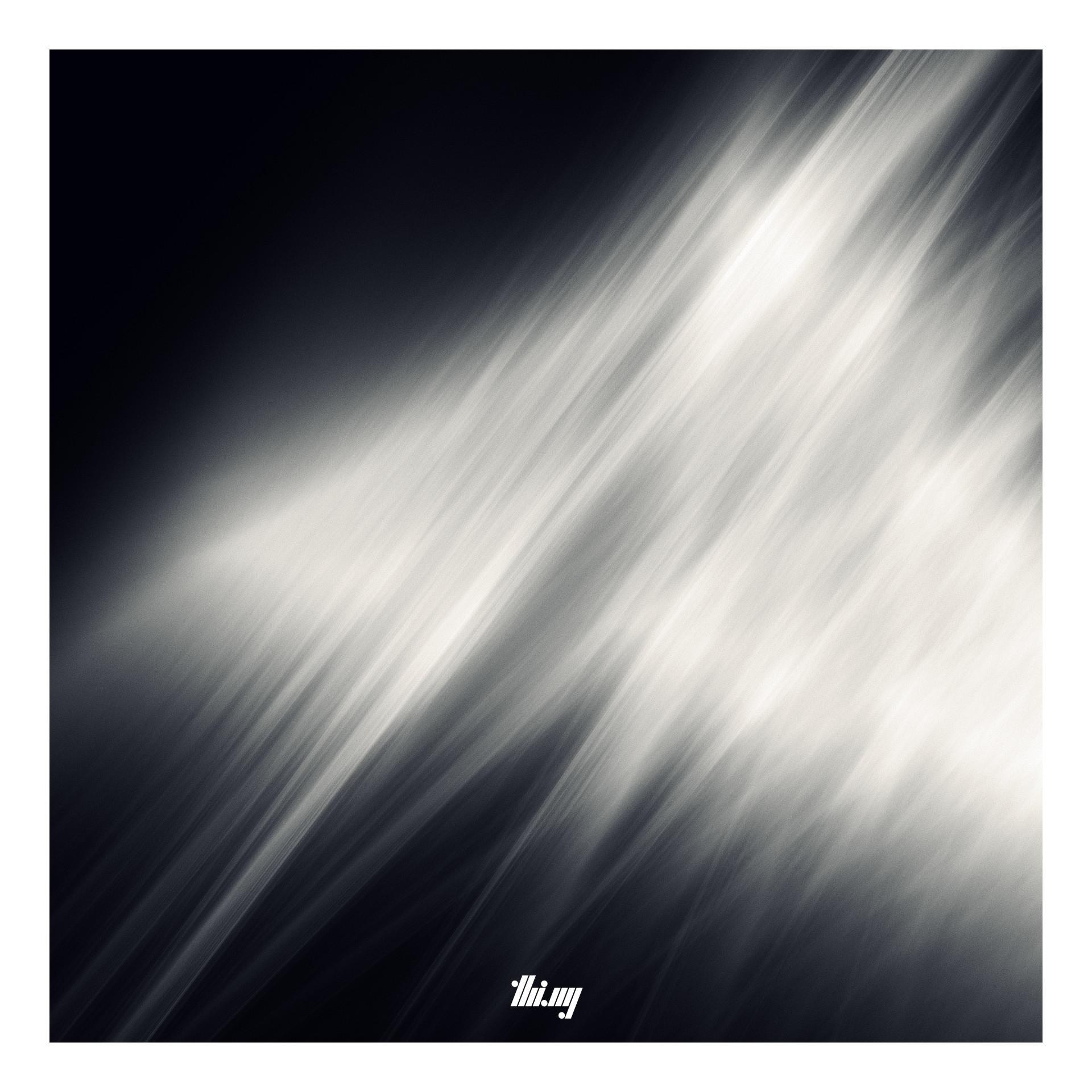
To make some of these points more concrete:
A choice is being made when governments & municipalities are providing tax rebates and subsidized deals on land and/or energy/water for AI data centers, often to the detriment of the local population. Data centers provide little in terms of employment and the rising energy prices are carried by everyone else, also impacting other existing businesses. This is not counting other important aspects like re-zoning, noise pollution, construction of supply roads/lines, (dirty) energy sources, all of which (in total) should be considered to counter-balance any promised gains from mass building such infrastructure. Many of these data centers are built in area already suffering water stress, which is only going to get more intense!
A choice is being made when education policymakers and universities decide to become AI sales people and that AI education should be constrained to students becoming effective/uncritical users of AI tech, rather than using higher education as a platform to critically/objectively research and examine this technology and its costs/impacts on many different aspects of society (energy, ethics, inequality, legal issues, security, sovereignty...)
A choice is being made when company bosses are forcing staff to adopt AI or be pushed out, even if this adoption arguably has at the very least a considerable risk of damaging the health of the company and employees long term (via various well-documented risk factors, incl. the introduction of company-wide core dependencies on external, unsustainable, VC-backed subscription-based infrastructure/services, whose fees are almost guaranteed to sky-rocket in the foreseeable future). Also worth mentioning here two new buzzwords terms surfacing currently: Cognitive Debt and Semantic Ablation
A choice is being made by governments adopting AI for policing and preparing for social unrest, investing billions into surveillance instead of lowering inequality and improving social services, social mobility & cohesion (e.g. financed via higher taxes obtained from the super rich).
A choice is being made, when investment & grant opportunities for anything but AI-related businesses are deemed too risky and not worthwhile, essentially forcing AI features into any new business idea which requires external financing, and thereby funneling more and more people/infrastructure into this growing spiral of dependencies and this pyramid system of subscription-based computing, with less than a handful of companies at the very top.
Choices...
@felix Thank you! Will read tonight, I usually love their writing!
@mapsquatch I liked how this presentation[1] framed it: "Sustainability _will_ be achieved. Voluntarily or involuntarily."
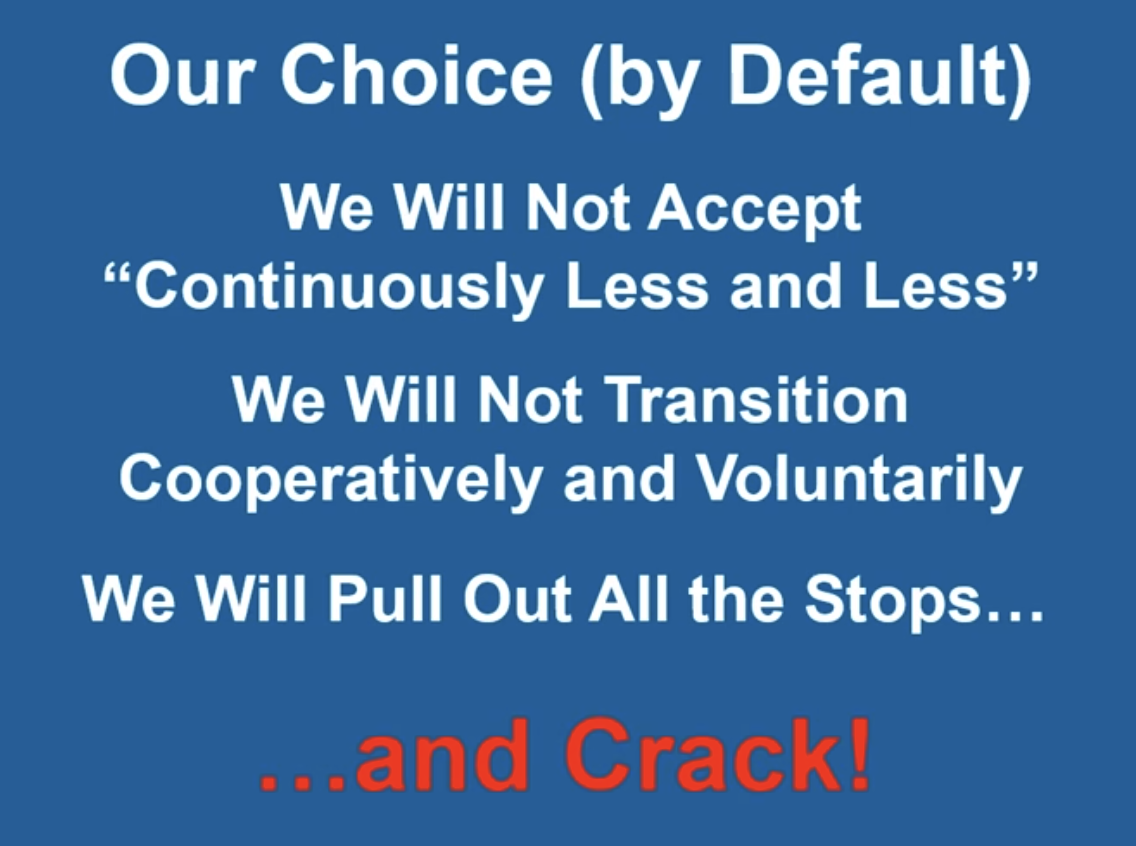
Attached: 2 images Already 6 years old, so not even taking into account post-2022 hyperscaling, this is a sobering, very rational and well argued 20 min presentation for some cold flush reality check of the hot fever dreams of AI proponents (and all YOLO energy/resource guzzlers of any walk/standing): Blip (2020) https://www.youtube.com/watch?v=cdXdaIsfio8 "Nature doesn't grant pardons" — Chris Clugston (via @urlyman@mastodon.social, who I warmly recommend to read/follow if you're interested in these topics!) #AI #Degrowth #Collapse #Energy #BlipEconomy #PermaComputing
Mastodon Glitch Edition (mastodon.thi.ng)
AI bros are just loving open source — loving it to death... maybe quite literally! (Godot being latest popular example[1])
More and more projects are impacted by floods of bogus AI pull requests and resulting discussions, stealing precious time and nerves away from their maintainers doing actual productive work. More buggy and insecure software (incl. commercial offerings) due to slopcoding, more websites getting attacked daily by AI crawlers in desperate search for any new bits (literally) to add to their already astronomically large training data sets, never mind copyright or any other licensing terms, IP laws...
Yet, our politicians, regulators, media and even many people in academia are continually shoving these issues and any other more urgent criticism of this tech (and its real impacts) to the side, always deemed irrelevant and distracting from all the "amazing" daily breakthroughs being achieved, from the ridiculous amounts of money being made... Blind FOMO and salivation is all there is — without ever publicly questioning/acknowledging/debating from where & whom this data and its monetary and cultural value has been extracted/stolen from... Where is the public framing and balanced discussion of this entire industry as the largest wealth & resource transfer and deskilling exercise in our history? Where are the responsible adults with a modicum of critical thinking and foresight in these rooms of power?
Honestly, I still don't fully understand how we got here and there being so many morally weak, corrupt, gullible and quite frankly _unreasonable_ and unqualified people in charge in literally every field which matters for some form of just & healthy society to continue (or rather to still aiming to get there in the first place)...
What a house of cards we're all living in, and the winds are rising...
There're so many techniques in the field of machine learning which are truly outstanding innovations, able to provide genuine quality of life improvements for the sciences, for the arts, for accessibility/disability etc. — however, these developments have not been part of the public AI discourse in the past few years (which is almost exclusively focused on the LLMs and now shifted to their "agentic" facades/wrappers), nor do these techniques require any planetary-scale infrastructure or intellectual/cultural/physical resource theft, just to be barely operational... I think it's still important to stress these major conceptual differences, even if it often feels that train has left a long time ago and language/semantics have been co-opted by now...
@tante This is a little bit misleading and only very, very superficially true, though! Behind these 200 lines of code of userland code are layers and layers of _ginormous_ frameworks with millions of lines of code and the industry just keeps piling on more layers and facades all the time. Enduser AI code is so extremely abstracted and so far removed from any actual concrete implementations and hardware resources, it's not even funny anymore...
The old joke was that Lisp programmers know the value of everything but the cost of nothing (due to Lisp being highly inspectable and abstracted). For AI code operating atop these frameworks, not even the values are fully known anymore and the true cost of any operation has become a complete mystery. This is an aspect which actually is being sold as and treated as benefit, since this entire approach operates on the idea of infinite resource availability... a wilful ignorance of the costs involved in these workflows is requirement to work this way.
@pedersen @jeffpalmer I used histo equalization too in the past, but found the results are not quite comparable to floats, though of course still better than without that post-processing step... Disclaimer: I only used this with 8 bit buffers. 16 bit would likely have worked much better, but with 8 bit, pixels get saturated far too quickly in processes like this and then there isn't much left to equalize...
@jeffpalmer These are really beautiful too!!  I love the curvatures and 3D-ness of the shading... Is this from your Julia days?
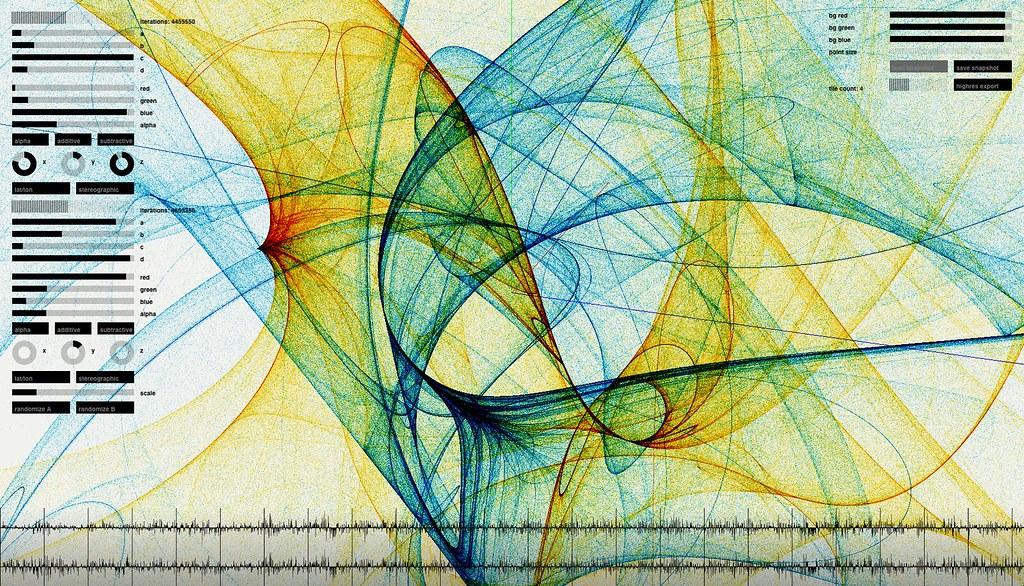
One of the first (commissioned) projects I used that technique for was the generative identity for Leeds College of Music. There I used the De Jong strange attractor instead of IFS and OpenCL for the computation, but the overall exposure/accumulation approach is identical. Before that I was always just using integer pixel buffers and was shocked by the level of detail suddenly revealed when switching to floats... was mindblowing!

@nclslbrn @ewen I'd say yes to that! The only thing missing here is a lens/focal param, but that's not really essential for the general photographic process itself. Attached are some comparisons of the same scene captured at different exposure rates:
- First image: 100 million iterations @ rate 0.01
- Second image: 1 billion iterations @ rate 0.001
(i.e. the 2nd image accumulates light 10x slower and therefore needs 10x iterations for same exposure)
If you zoom in you can really tell the dramatic difference in graininess for the 0.01 version, basically the equivalent of using a higher ISO film (or setting on a camera), leading to more light sensitivity, shorter exposure time, but also more grain and fewer details...


@ewen Thank you! It's also very special to me, since a) it's one of these projects I keep on returning to occasionally for almost 30 years now (similar to my cellular automatas) and b) it feels "full circle" to how I first started experimenting with photography as a teen in the 80s, recording light patterns of a small torch pendulum directly onto photo paper (even before I had my first camera), and it's what essentially brought me to digital/generative art as wider field...
About the IFS & simulation approach: Just one more example of how beautiful maths can be and constant reminder that the way its taught in school and how most people's relationship to it is so very misguided (as a result)...
Light Streaks — generative photography
A small selection of long-exposures of randomly generated IFS (aka Iterated Function Systems), a family of very oldskool primitive/trivial fractal functions, but which can produce a fairly wide variety of outcomes. Each image is the result of billions of iterations of a single particle being iteratively transformed (meaning the particle's current position is used as the input for computing its next position etc.) For each iteration & position a tiny amount of light is being captured, slowly revealing an image, just like a negative does in analog film photography.
Some of these images have been "exposed" (aka computed) for up to 30 mins. The smaller the amount of light captured per iteration, the smoother (less grainy) the outcome...
(For the more technical: This is one of these projects where a floating point pixel buffer _really_ makes all the difference! My exposure rate is only 0.001 per pixel per frame, some of the images use even weaker settings... That means for a pixel to become fully white is has to be visited at least 1000 times [or more])
Made with https://thi.ng/matrices (matrix transformations) and https://thi.ng/pixel ("film" capture)...
#MonochromeMonday #Photography #Light #Simulation #LongExposure #Fractal #IFS #GenerativeArt #AlgorithmicArt #ThingUmbrella #TypeScript
