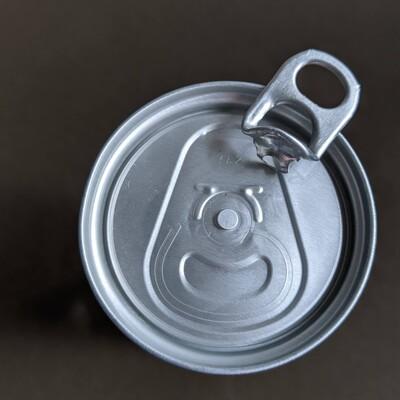
lol of course #English #language that makes perfect sense 👀🤷 #huh
-
lol of course #English #language that makes perfect sense

 #huh
#huh "#Jeers and #cheers" represent opposite reactions, with jeers acting as taunts, mocks, or boos and cheers serving as shouts of praise, approval, or thanks. Often used in public commentary, jeers reflect mockery (like reacting to a poor performance in sport or recent news, misconduct at solemn events), while cheers celebrate success, such as winning a game or play, athletic feats, or the usage for "thank you" or "goodbye".
(*the two sound identical
 )
) -
lol of course #English #language that makes perfect sense
#huh "#Jeers and #cheers" represent opposite reactions, with jeers acting as taunts, mocks, or boos and cheers serving as shouts of praise, approval, or thanks. Often used in public commentary, jeers reflect mockery (like reacting to a poor performance in sport or recent news, misconduct at solemn events), while cheers celebrate success, such as winning a game or play, athletic feats, or the usage for "thank you" or "goodbye".
(*the two sound identical
)@Heliograph never heard about 'jeers' until yesterday tbh
-
lol of course #English #language that makes perfect sense
#huh "#Jeers and #cheers" represent opposite reactions, with jeers acting as taunts, mocks, or boos and cheers serving as shouts of praise, approval, or thanks. Often used in public commentary, jeers reflect mockery (like reacting to a poor performance in sport or recent news, misconduct at solemn events), while cheers celebrate success, such as winning a game or play, athletic feats, or the usage for "thank you" or "goodbye".
(*the two sound identical
)@Heliograph boooooo
-
R relay@relay.infosec.exchange shared this topic