"At the heart of the Chatrie case are legal orders known as geofence warrants.
-
"At the heart of the Chatrie case are legal orders known as geofence warrants. This controversial tool allows police to demand location data from tech companies (usually Google) to see every device in a specific area at a specific time. Imagine drawing a digital fence around a crime scene and demanding a list of every phone that crossed into it.
These demands can reveal precise details about people’s movements and locations. Authorities can pinpoint where someone stood within a couple of yards and whether they were on the first or second floor of a building.
But geofence warrants are also imprecise: They sweep up the movements not just of suspects but also of innocent people who happen to be within the digital fence. Demanding location data for a 150-yard radius of a bank in the hour before it was robbed, for example, may show the movements of people who worked at the bank, visited the psychiatrist’s office next door, worshipped at the church on the neighboring block, or dropped into the nearby strip club."
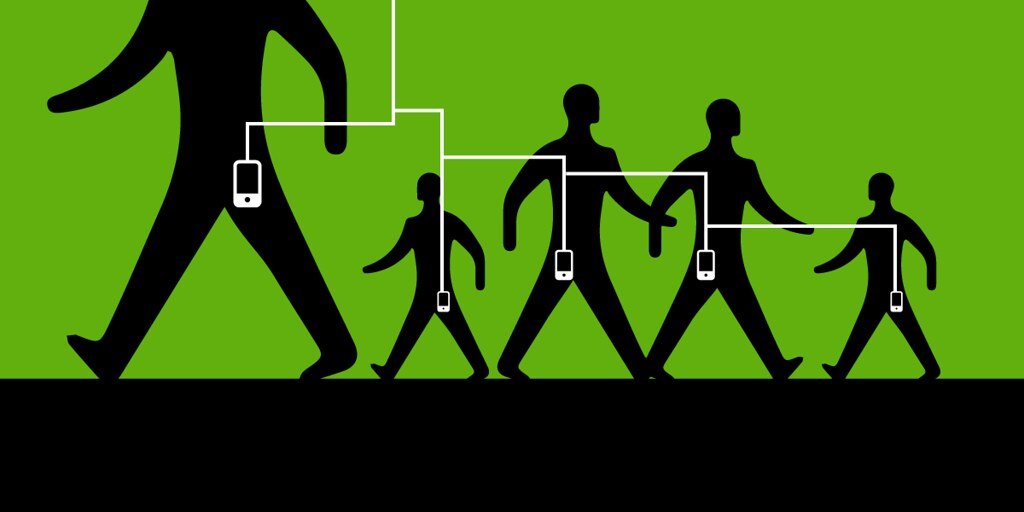
Supreme Court could greenlight geofence warrants
A new case may legalize suspicionless mass surveillance of journalists and whistleblowers
Freedom of the Press (freedom.press)
#USA #PressFreedom #Journalism #Surveillance #Geolocation #GeofenceWarrants
-
"At the heart of the Chatrie case are legal orders known as geofence warrants. This controversial tool allows police to demand location data from tech companies (usually Google) to see every device in a specific area at a specific time. Imagine drawing a digital fence around a crime scene and demanding a list of every phone that crossed into it.
These demands can reveal precise details about people’s movements and locations. Authorities can pinpoint where someone stood within a couple of yards and whether they were on the first or second floor of a building.
But geofence warrants are also imprecise: They sweep up the movements not just of suspects but also of innocent people who happen to be within the digital fence. Demanding location data for a 150-yard radius of a bank in the hour before it was robbed, for example, may show the movements of people who worked at the bank, visited the psychiatrist’s office next door, worshipped at the church on the neighboring block, or dropped into the nearby strip club."
Supreme Court could greenlight geofence warrants
A new case may legalize suspicionless mass surveillance of journalists and whistleblowers
Freedom of the Press (freedom.press)
#USA #PressFreedom #Journalism #Surveillance #Geolocation #GeofenceWarrants
If the police could be trusted to use the information appropriately I could see how this could be useful to contact people in the area at the time and ask if they saw any suspicious activity.
-
R relay@relay.infosec.exchange shared this topic onR relay@relay.mycrowd.ca shared this topic on