Skip to content
  • Categories
  • Recent
  • Tags
  • Popular
  • World
  • Users
  • Groups
Skins
  • Light
  • Brite
  • Cerulean
  • Cosmo
  • Flatly
  • Journal
  • Litera
  • Lumen
  • Lux
  • Materia
  • Minty
  • Morph
  • Pulse
  • Sandstone
  • Simplex
  • Sketchy
  • Spacelab
  • United
  • Yeti
  • Zephyr
  • Dark
  • Cyborg
  • Darkly
  • Quartz
  • Slate
  • Solar
  • Superhero
  • Vapor

  • Default (Cyborg)
  • No Skin
Collapse
Brand Logo

CIRCLE WITH A DOT

  1. Home
  2. Uncategorized
  3. Plus 1 today.

Plus 1 today.

Scheduled Pinned Locked Moved Uncategorized
nunavut
16 Posts 7 Posters 0 Views
  • Oldest to Newest
  • Newest to Oldest
  • Most Votes
Reply
  • Reply as topic
Log in to reply
This topic has been deleted. Only users with topic management privileges can see it.
  • nunavutbirder@mas.toN nunavutbirder@mas.to

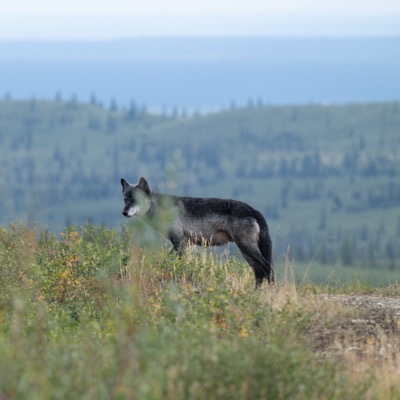
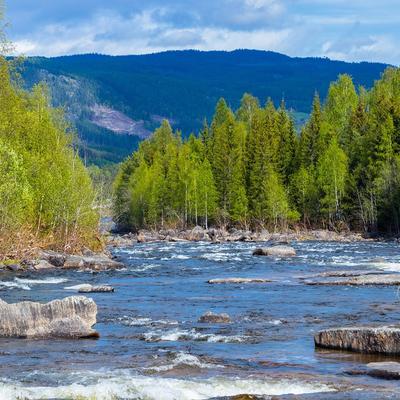
    Plus 1 today. First coffee on the deck in 2026. First Glaucous Gulls of the year. #Nunavut

    thiscj@mastodon.nzT This user is from outside of this forum
    thiscj@mastodon.nzT This user is from outside of this forum
    thiscj@mastodon.nz
    wrote last edited by
    #2

    @NunavutBirder any bears awake yet?

    nunavutbirder@mas.toN 1 Reply Last reply
    0
    • thiscj@mastodon.nzT thiscj@mastodon.nz

      @NunavutBirder any bears awake yet?

      nunavutbirder@mas.toN This user is from outside of this forum
      nunavutbirder@mas.toN This user is from outside of this forum
      nunavutbirder@mas.to
      wrote last edited by
      #3

      @ThisCJ Our bears do not hibernate. Pregnant females den, but no hibernation takes place.

      1 Reply Last reply
      0
      • nunavutbirder@mas.toN nunavutbirder@mas.to

        Plus 1 today. First coffee on the deck in 2026. First Glaucous Gulls of the year. #Nunavut

        jfmezei@cosocial.caJ This user is from outside of this forum
        jfmezei@cosocial.caJ This user is from outside of this forum
        jfmezei@cosocial.ca
        wrote last edited by
        #4

        @NunavutBirder How do animals like hares and foxes survive in winter? What do they eat? Are there still mice under snow? Birds? I assume carots don't grow for the hares in winter?

        nunavutbirder@mas.toN 1 Reply Last reply
        0
        • jfmezei@cosocial.caJ jfmezei@cosocial.ca

          @NunavutBirder How do animals like hares and foxes survive in winter? What do they eat? Are there still mice under snow? Birds? I assume carots don't grow for the hares in winter?

          nunavutbirder@mas.toN This user is from outside of this forum
          nunavutbirder@mas.toN This user is from outside of this forum
          nunavutbirder@mas.to
          wrote last edited by
          #5

          @jfmezei Foxes eat largely lemmings which live under the snow all winter. Also some hare, and carrion. Arctic Foxes also scavange polar bear kills and in the spring predate seal pup dens. Hares eat plants that they uncover under the snow. Ptarmigan mostly eat Arctic Willow buds. Ravens hunt and scavange. Redpoll eat plant seeds. Owls and Gyrfalcon predate ptarmigan and hare, and lemming. Polar Bears hunt seal. Seal eat fish. Caribou eat lichen.

          jfmezei@cosocial.caJ 1 Reply Last reply
          0
          • nunavutbirder@mas.toN nunavutbirder@mas.to

            @jfmezei Foxes eat largely lemmings which live under the snow all winter. Also some hare, and carrion. Arctic Foxes also scavange polar bear kills and in the spring predate seal pup dens. Hares eat plants that they uncover under the snow. Ptarmigan mostly eat Arctic Willow buds. Ravens hunt and scavange. Redpoll eat plant seeds. Owls and Gyrfalcon predate ptarmigan and hare, and lemming. Polar Bears hunt seal. Seal eat fish. Caribou eat lichen.

            jfmezei@cosocial.caJ This user is from outside of this forum
            jfmezei@cosocial.caJ This user is from outside of this forum
            jfmezei@cosocial.ca
            wrote last edited by
            #6

            @NunavutBirder Surprised/impressed animals could survive eating what are essentially dead plants under the snow in winter when you'd expect they would need the max amount of calories to stay warm. Pretty impressive.

            here in the cities, birds and squirrels survive on peanuts that grow naturally on balconies 🙂 (some get bird seeds in bird feeders though).

            transitionalaspect@fnordon.deT vatvslpr@c.imV 2 Replies Last reply
            0
            • jfmezei@cosocial.caJ jfmezei@cosocial.ca

              @NunavutBirder Surprised/impressed animals could survive eating what are essentially dead plants under the snow in winter when you'd expect they would need the max amount of calories to stay warm. Pretty impressive.

              here in the cities, birds and squirrels survive on peanuts that grow naturally on balconies 🙂 (some get bird seeds in bird feeders though).

              transitionalaspect@fnordon.deT This user is from outside of this forum
              transitionalaspect@fnordon.deT This user is from outside of this forum
              transitionalaspect@fnordon.de
              wrote last edited by
              #7

              @jfmezei @NunavutBirder they are really well adapted to the cold: not only massive fluff for insulation, but also large body size to reduce heat loss through surface area. You can see that in the picture of the hare with its tiny ears (tiny for a hare, anyway)

              1 Reply Last reply
              0
              • nunavutbirder@mas.toN nunavutbirder@mas.to

                Plus 1 today. First coffee on the deck in 2026. First Glaucous Gulls of the year. #Nunavut

                brosetti@mastodon.socialB This user is from outside of this forum
                brosetti@mastodon.socialB This user is from outside of this forum
                brosetti@mastodon.social
                wrote last edited by
                #8

                @NunavutBirder I consider the day we spot the first gull as the first day of spring.

                nunavutbirder@mas.toN 1 Reply Last reply
                0
                • brosetti@mastodon.socialB brosetti@mastodon.social

                  @NunavutBirder I consider the day we spot the first gull as the first day of spring.

                  nunavutbirder@mas.toN This user is from outside of this forum
                  nunavutbirder@mas.toN This user is from outside of this forum
                  nunavutbirder@mas.to
                  wrote last edited by
                  #9

                  @brosetti certainly a sign

                  1 Reply Last reply
                  0
                  • jfmezei@cosocial.caJ jfmezei@cosocial.ca

                    @NunavutBirder Surprised/impressed animals could survive eating what are essentially dead plants under the snow in winter when you'd expect they would need the max amount of calories to stay warm. Pretty impressive.

                    here in the cities, birds and squirrels survive on peanuts that grow naturally on balconies 🙂 (some get bird seeds in bird feeders though).

                    vatvslpr@c.imV This user is from outside of this forum
                    vatvslpr@c.imV This user is from outside of this forum
                    vatvslpr@c.im
                    wrote last edited by
                    #10

                    @jfmezei @NunavutBirder
                    They aren't getting enough calories to survive during the winter; they're eating whatever they can find to extend how long they can survive on the fat they built up in the summer.

                    nunavutbirder@mas.toN 1 Reply Last reply
                    0
                    • nunavutbirder@mas.toN nunavutbirder@mas.to

                      Plus 1 today. First coffee on the deck in 2026. First Glaucous Gulls of the year. #Nunavut

                      rinaldo75@mastodon.socialR This user is from outside of this forum
                      rinaldo75@mastodon.socialR This user is from outside of this forum
                      rinaldo75@mastodon.social
                      wrote last edited by
                      #11

                      Préservons notre magnifique faune et flore sauvage !

                      @NunavutBirder

                      1 Reply Last reply
                      0
                      • nunavutbirder@mas.toN This user is from outside of this forum
                        nunavutbirder@mas.toN This user is from outside of this forum
                        nunavutbirder@mas.to
                        wrote last edited by
                        #12

                        @the_roamer one is on I believe. But I have shots where it looks like they’re levitating.

                        Yes, the hares can really move.

                        1 Reply Last reply
                        0
                        • vatvslpr@c.imV vatvslpr@c.im

                          @jfmezei @NunavutBirder
                          They aren't getting enough calories to survive during the winter; they're eating whatever they can find to extend how long they can survive on the fat they built up in the summer.

                          nunavutbirder@mas.toN This user is from outside of this forum
                          nunavutbirder@mas.toN This user is from outside of this forum
                          nunavutbirder@mas.to
                          wrote last edited by
                          #13

                          @VATVSLPR @jfmezei What do you base that opinion on? The hares browse mostly on willow, which makes up the bulk of their winter food and a lot of their summer food. It sustains them summer and winter. Our snow cover can last 9 months. That’s a long time to live on fat reserves.

                          jfmezei@cosocial.caJ 1 Reply Last reply
                          0
                          • nunavutbirder@mas.toN nunavutbirder@mas.to

                            @VATVSLPR @jfmezei What do you base that opinion on? The hares browse mostly on willow, which makes up the bulk of their winter food and a lot of their summer food. It sustains them summer and winter. Our snow cover can last 9 months. That’s a long time to live on fat reserves.

                            jfmezei@cosocial.caJ This user is from outside of this forum
                            jfmezei@cosocial.caJ This user is from outside of this forum
                            jfmezei@cosocial.ca
                            wrote last edited by
                            #14

                            @NunavutBirder @VATVSLPR How much of ground thaws in summer for them to burrow some dens ? Or are they able to dig into permafrost to make deeper dens that have more constant temperature year round? Or do they find areas between rocks where they can plug in gaps with dried vegetation?

                            nunavutbirder@mas.toN 1 Reply Last reply
                            0
                            • jfmezei@cosocial.caJ jfmezei@cosocial.ca

                              @NunavutBirder @VATVSLPR How much of ground thaws in summer for them to burrow some dens ? Or are they able to dig into permafrost to make deeper dens that have more constant temperature year round? Or do they find areas between rocks where they can plug in gaps with dried vegetation?

                              nunavutbirder@mas.toN This user is from outside of this forum
                              nunavutbirder@mas.toN This user is from outside of this forum
                              nunavutbirder@mas.to
                              wrote last edited by
                              #15

                              @jfmezei @VATVSLPR Active layer is only a few inches deep. They den in rock crevices and bivouac in the same and snow drifts. Last week I hike up the canyon behind the cabin and there were several little caves in drifts at the base of cliffs.

                              The area is littered with hares this year. On Ellesmere hares form large herds. And there is one place here where that happens. A few years back I counted over 200 there.

                              nunavutbirder@mas.toN 1 Reply Last reply
                              0
                              • nunavutbirder@mas.toN nunavutbirder@mas.to

                                @jfmezei @VATVSLPR Active layer is only a few inches deep. They den in rock crevices and bivouac in the same and snow drifts. Last week I hike up the canyon behind the cabin and there were several little caves in drifts at the base of cliffs.

                                The area is littered with hares this year. On Ellesmere hares form large herds. And there is one place here where that happens. A few years back I counted over 200 there.

                                nunavutbirder@mas.toN This user is from outside of this forum
                                nunavutbirder@mas.toN This user is from outside of this forum
                                nunavutbirder@mas.to
                                wrote last edited by
                                #16

                                @jfmezei @VATVSLPR I don’t have a great photo as there are a lot of eyes and they’re pretty skittish there. But here is one of a small part of the herd. https://flic.kr/p/bELoYA

                                1 Reply Last reply
                                1
                                0
                                • R relay@relay.mycrowd.ca shared this topic
                                Reply
                                • Reply as topic
                                Log in to reply
                                • Oldest to Newest
                                • Newest to Oldest
                                • Most Votes


                                • Login

                                • Login or register to search.
                                • First post
                                  Last post
                                0
                                • Categories
                                • Recent
                                • Tags
                                • Popular
                                • World
                                • Users
                                • Groups