"When exposed to sunlight, the material drives a series of chemical reactions that transform plastic polymers into acetic acid with high selectivity.
-
"When exposed to sunlight, the material drives a series of chemical reactions that transform plastic polymers into acetic acid with high selectivity. The reaction takes place in water, making it particularly relevant for addressing plastic pollution in aquatic environments."

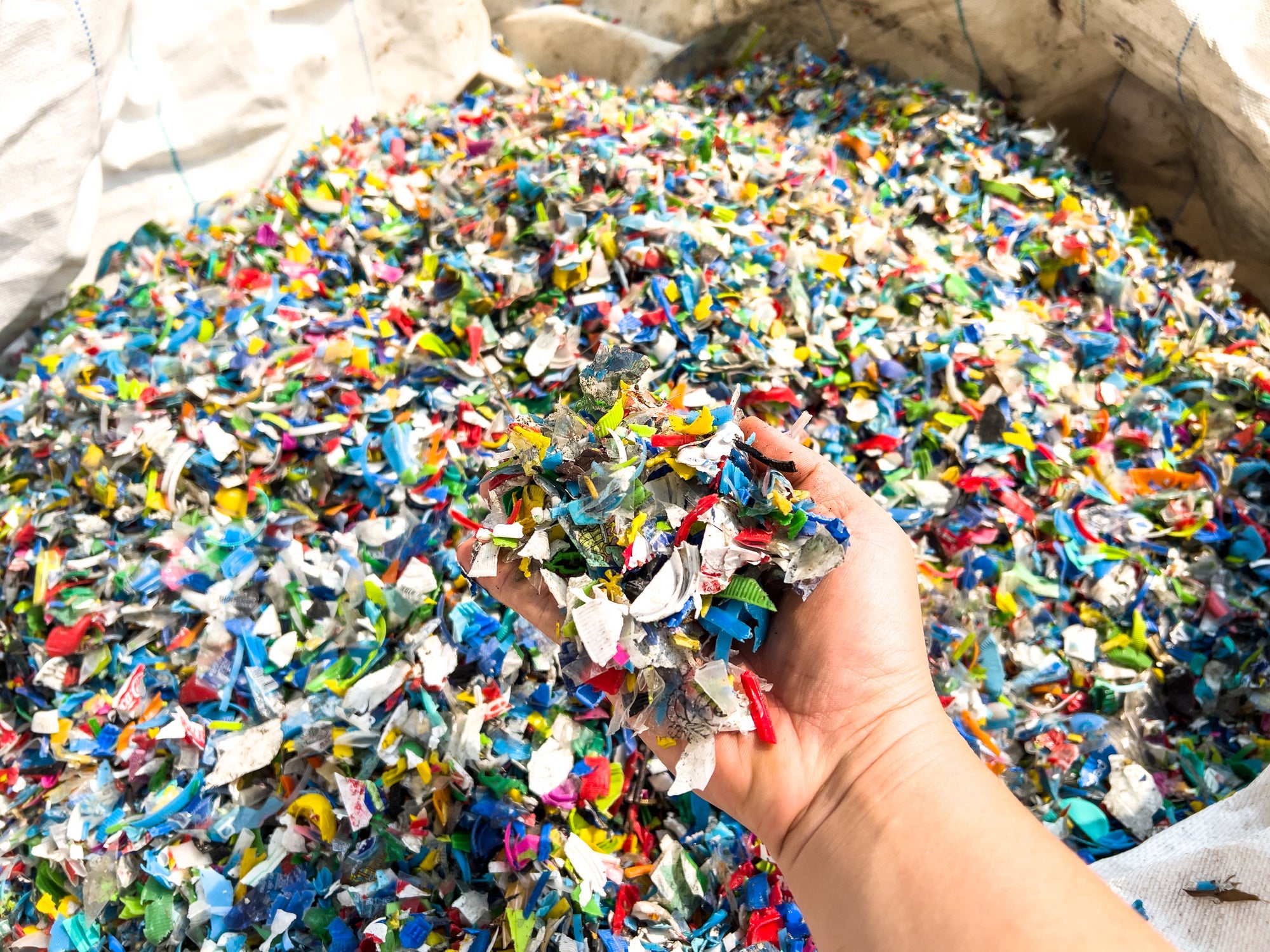
Waterloo researchers turning plastic waste into vinegar | Waterloo News
Researchers at the University of Waterloo have discovered a way to turn plastic waste into acetic acid, the main ingredient of vinegar, using sunlight. The breakthrough offers a promising new approach to reducing plastic pollution through photocatalysis, while simultaneously creating a useful, value-added chemical product through a process inspired by nature. “Our goal was to
Waterloo News (uwaterloo.ca)
-
"When exposed to sunlight, the material drives a series of chemical reactions that transform plastic polymers into acetic acid with high selectivity. The reaction takes place in water, making it particularly relevant for addressing plastic pollution in aquatic environments."
Waterloo researchers turning plastic waste into vinegar | Waterloo News
Researchers at the University of Waterloo have discovered a way to turn plastic waste into acetic acid, the main ingredient of vinegar, using sunlight. The breakthrough offers a promising new approach to reducing plastic pollution through photocatalysis, while simultaneously creating a useful, value-added chemical product through a process inspired by nature. “Our goal was to
Waterloo News (uwaterloo.ca)
@annaghughes we’re gonna need bigger fish & chips
-
R relay@relay.infosec.exchange shared this topic