Reading “The Problem with Plastic”
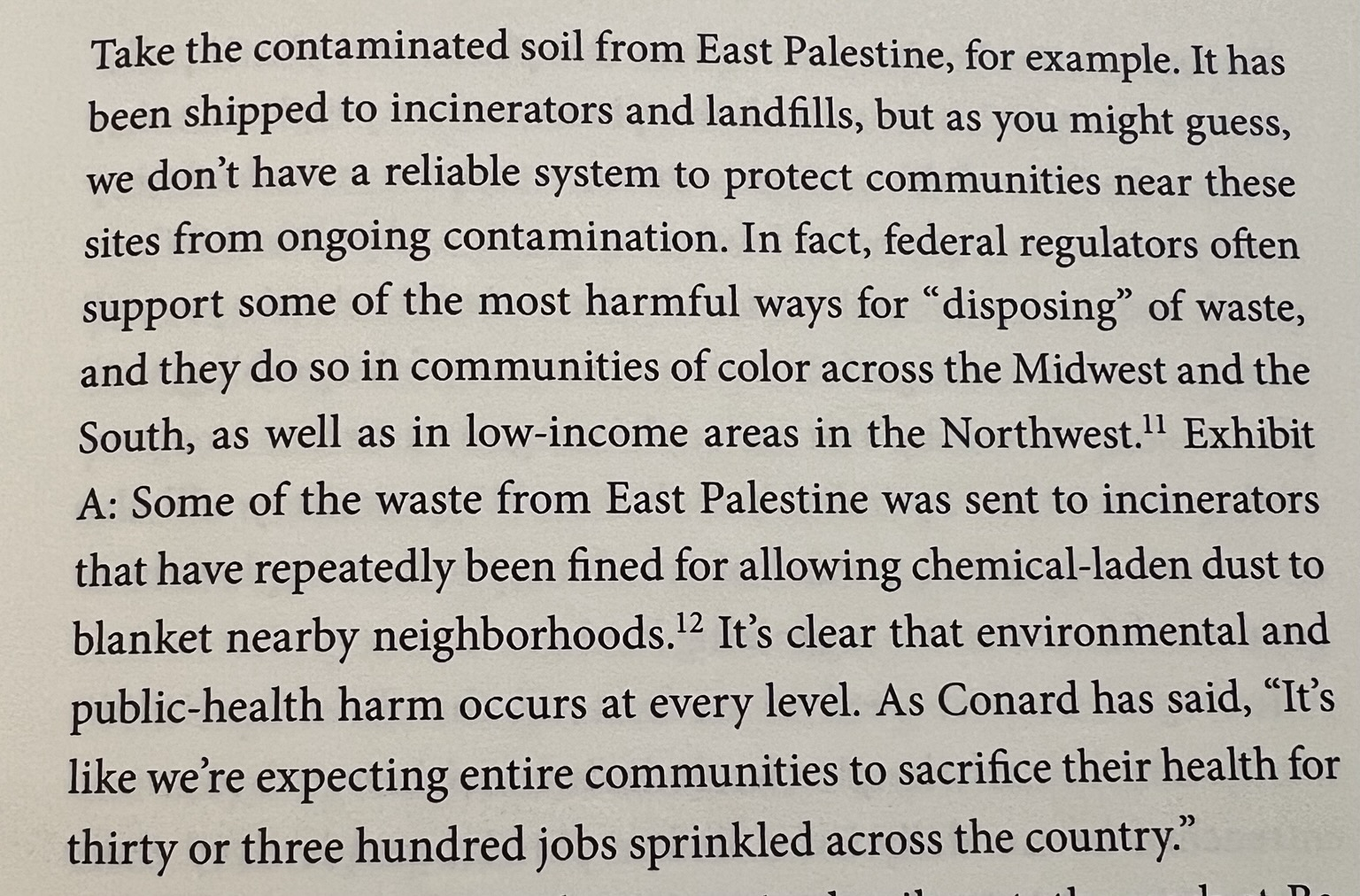
-
“Refilling bottles and jars is another form of source reduction. In Oregon, Canada, and parts of Europe, wine, beer, and other beverages are packaged in sturdy glass bottles that can be refilled, able to withstand multiple washings. At the consumer level, "refilleries" and grocery stores can stock food, personal care products, and cleaning products in bulk, and allow customers to bring their own containers back to refill.”
“Plastics recycling was built as a public relations strategy, not a real solution. That doesn't mean we should stop recycling altogether, but it does mean we need to shift our focus.”
-
“Plastics recycling was built as a public relations strategy, not a real solution. That doesn't mean we should stop recycling altogether, but it does mean we need to shift our focus.”
“In Cancer Alley— an eighty-five-mile stretch of the Mississippi River between New Orleans and Baton Rouge, Louisiana, where residents have some of the highest cancer rates in the country—a single petrochemical complex can consume more than 1,500 football fields of land.”
-
“Research shows that a standard cafeteria tray can be reused about 260 times per year, lasting four years before it needs replacement. Switching to reusable trays doesn't just help the planet-it saves money too.”
@shafik Wait, are single-use trays a thing?

-
“The impact of Silent Spring extended far beyond its immediate influence, ultimately leading to the creation of the U.S. Environmental Protection Agency (EPA) in 1970. It's worth pausing to reflect on this: A woman is directly responsible for the establishment of our country's Environmental Protection Agency. At a time when women were not allowed to have a credit card, serve on a jury, use birth control, or attend an Ivy League college, Rachel Carson demanded to be heard, and she changed history.”
@shafik Just as amazingly, the president who created the EPA was Richard Nixon.
-
The word litterbug came from the plastic industry trying to deflect blame onto consumers.
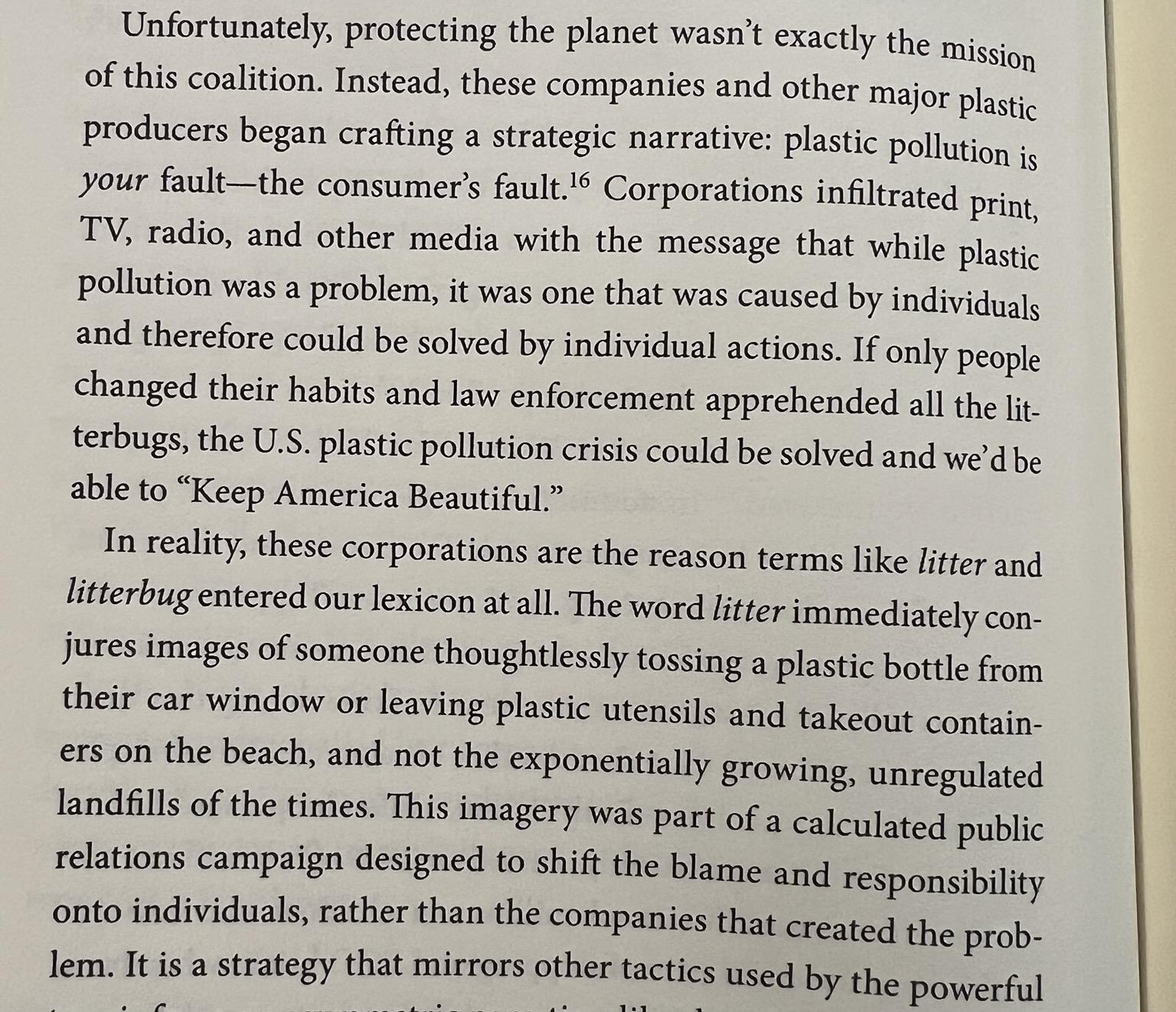
@shafik See also "jaywalkers", namely people who think that they have rights on the streets.
-
“Refilling bottles and jars is another form of source reduction. In Oregon, Canada, and parts of Europe, wine, beer, and other beverages are packaged in sturdy glass bottles that can be refilled, able to withstand multiple washings. At the consumer level, "refilleries" and grocery stores can stock food, personal care products, and cleaning products in bulk, and allow customers to bring their own containers back to refill.”
@shafik I bought a bottle of soy sauce this week which can be refilled. I wonder if I will have to produce the receipt (which I discarded) to do so.
-
@shafik Wait, are single-use trays a thing?
Apparently
-
“In Cancer Alley— an eighty-five-mile stretch of the Mississippi River between New Orleans and Baton Rouge, Louisiana, where residents have some of the highest cancer rates in the country—a single petrochemical complex can consume more than 1,500 football fields of land.”
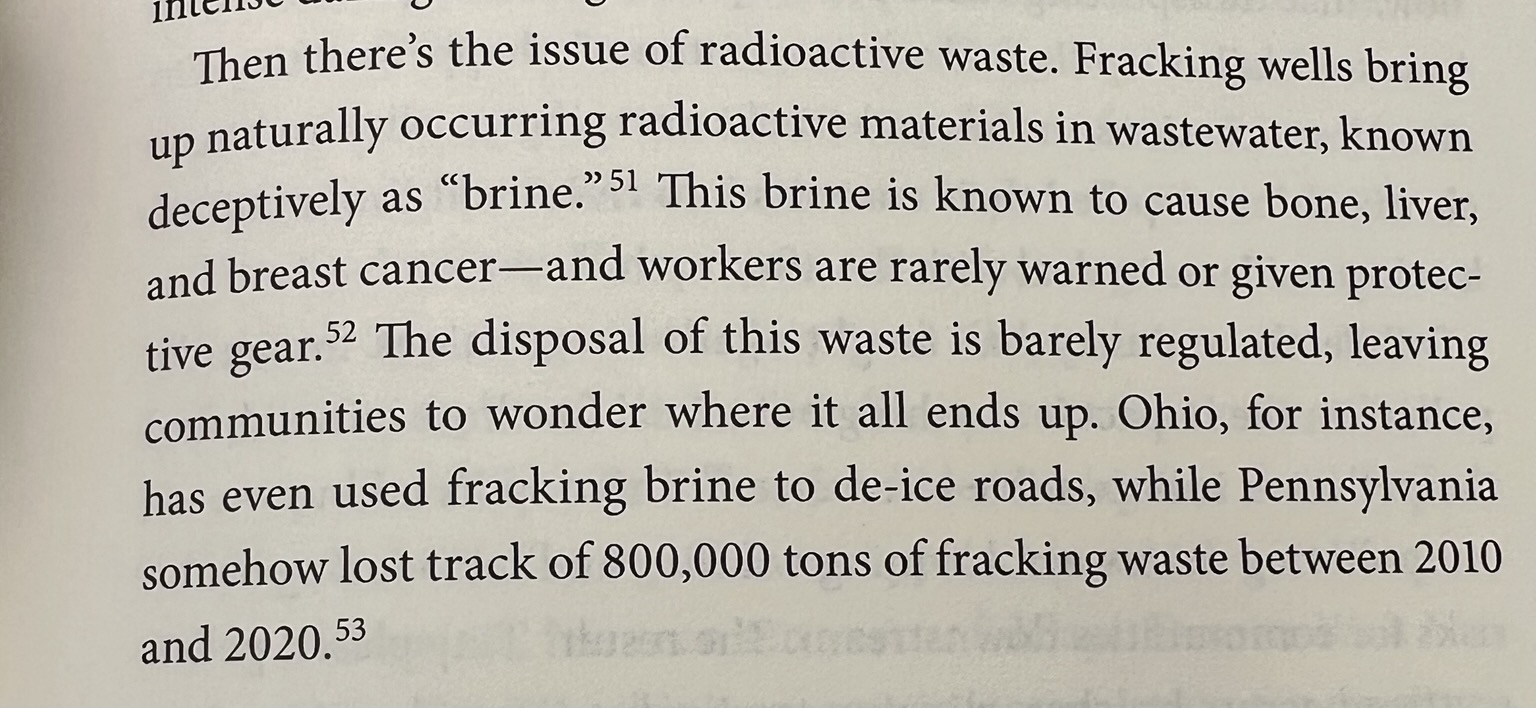
🤯 they use it to de-ice?!
-
“Plastics recycling was built as a public relations strategy, not a real solution. That doesn't mean we should stop recycling altogether, but it does mean we need to shift our focus.”
@shafik is there much detail of the petroleum industry's involvement in all of this?
-
@shafik is there much detail of the petroleum industry's involvement in all of this?
yes, I started running out of steam, she has a whole chapter on it.
-
🤯 they use it to de-ice?!
This post did not contain any content.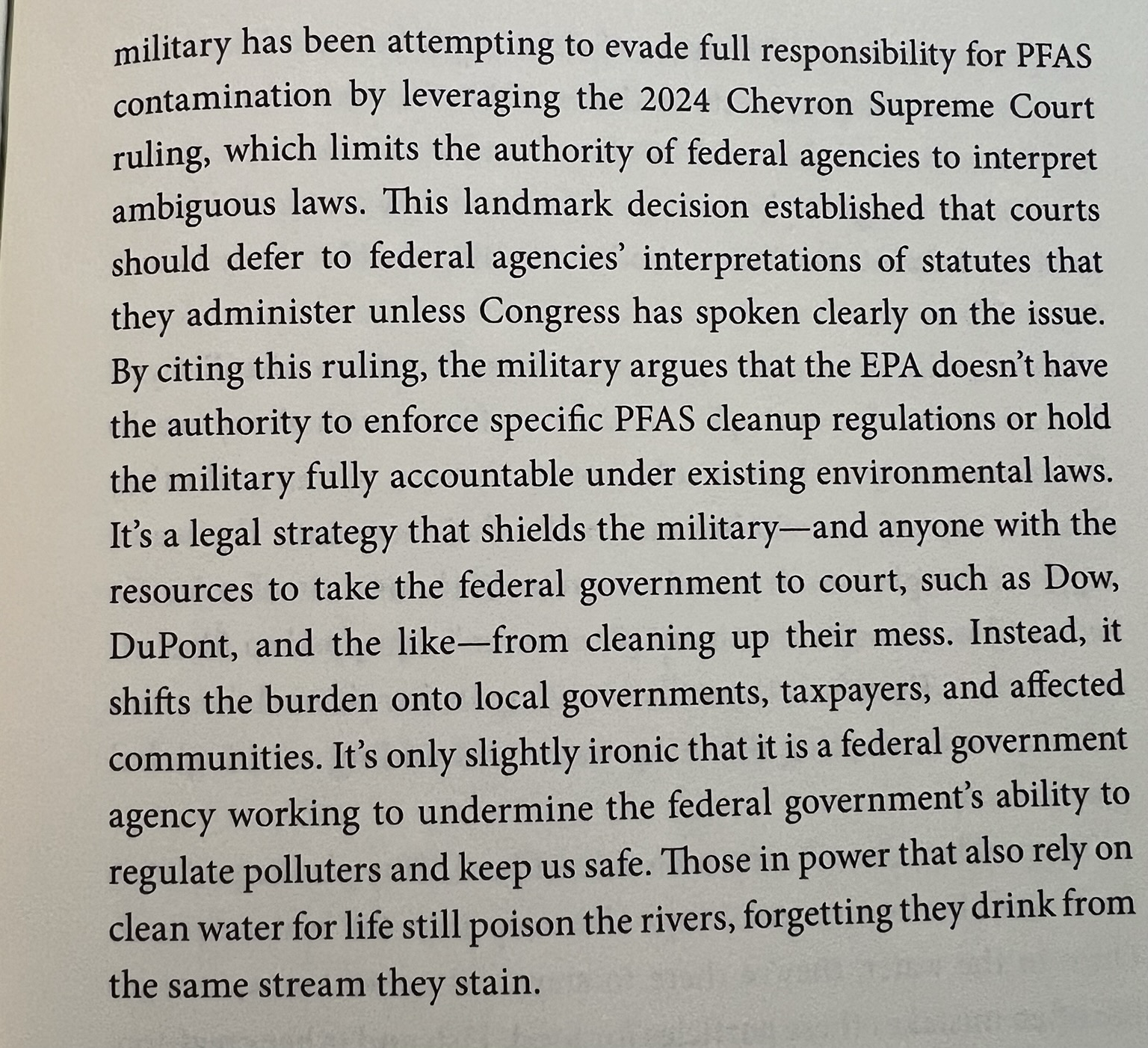
-
This post did not contain any content.This post did not contain any content.
-
This post did not contain any content.
@shafik I do wonder what "chemical features" are. Nitrogen? CO2? Latex?
-
R relay@relay.an.exchange shared this topic