Skip to content
  • Categories
  • Recent
  • Tags
  • Popular
  • World
  • Users
  • Groups
Skins
  • Light
  • Brite
  • Cerulean
  • Cosmo
  • Flatly
  • Journal
  • Litera
  • Lumen
  • Lux
  • Materia
  • Minty
  • Morph
  • Pulse
  • Sandstone
  • Simplex
  • Sketchy
  • Spacelab
  • United
  • Yeti
  • Zephyr
  • Dark
  • Cyborg
  • Darkly
  • Quartz
  • Slate
  • Solar
  • Superhero
  • Vapor

  • Default (Cyborg)
  • No Skin
Collapse
Brand Logo

CIRCLE WITH A DOT

  1. Home
  2. Uncategorized
  3. Let's make a Pi Pico 2 powered video card.

Let's make a Pi Pico 2 powered video card.

Scheduled Pinned Locked Moved Uncategorized
retrocomputing
144 Posts 30 Posters 0 Views
  • Oldest to Newest
  • Newest to Oldest
  • Most Votes
Reply
  • Reply as topic
Log in to reply
This topic has been deleted. Only users with topic management privileges can see it.
  • gloriouscow@oldbytes.spaceG gloriouscow@oldbytes.space

    I didn't properly reset the green switch which is why we got cyan instead of blue. lol. But they do all work.

    The FPGA is being fed the 14.31818 clock from the Pico to simulate the ISA bus' OSC pin as an input to some future card. I'm going simulate the ISA bus with Picos until I have some idea how I'm going to connect all this business to an actual PC's ISA bus.

    gloriouscow@oldbytes.spaceG This user is from outside of this forum
    gloriouscow@oldbytes.spaceG This user is from outside of this forum
    gloriouscow@oldbytes.space
    wrote last edited by
    #110

    It's a bit silly to talk about building an FPGA-based CGA card without mentioning the Graphics Gremlin, by @tubetime

    Link Preview Image
    GitHub - schlae/graphics-gremlin: Open source retro ISA video card

    Open source retro ISA video card. Contribute to schlae/graphics-gremlin development by creating an account on GitHub.

    favicon

    GitHub (github.com)

    He's already made such a thing.

    I'm interested in writing my own Verilog implementation, and of course I want to stick a Pico 2 W on it so we can stream video to it, but it seems sensible to fork the Gremlin instead of re-inventing the entire wheel.

    gloriouscow@oldbytes.spaceG 1 Reply Last reply
    0
    • gloriouscow@oldbytes.spaceG gloriouscow@oldbytes.space

      It's a bit silly to talk about building an FPGA-based CGA card without mentioning the Graphics Gremlin, by @tubetime

      Link Preview Image
      GitHub - schlae/graphics-gremlin: Open source retro ISA video card

      Open source retro ISA video card. Contribute to schlae/graphics-gremlin development by creating an account on GitHub.

      favicon

      GitHub (github.com)

      He's already made such a thing.

      I'm interested in writing my own Verilog implementation, and of course I want to stick a Pico 2 W on it so we can stream video to it, but it seems sensible to fork the Gremlin instead of re-inventing the entire wheel.

      gloriouscow@oldbytes.spaceG This user is from outside of this forum
      gloriouscow@oldbytes.spaceG This user is from outside of this forum
      gloriouscow@oldbytes.space
      wrote last edited by
      #111

      @tubetime

      There are some downsides, apparently this is a somewhat expensive card to build, just looking through forum discussions. But it's been five years, maybe there are better/cheaper FPGA options available today?

      gloriouscow@oldbytes.spaceG 1 Reply Last reply
      0
      • gloriouscow@oldbytes.spaceG gloriouscow@oldbytes.space

        @tubetime

        There are some downsides, apparently this is a somewhat expensive card to build, just looking through forum discussions. But it's been five years, maybe there are better/cheaper FPGA options available today?

        gloriouscow@oldbytes.spaceG This user is from outside of this forum
        gloriouscow@oldbytes.spaceG This user is from outside of this forum
        gloriouscow@oldbytes.space
        wrote last edited by
        #112

        The Gremlin uses a Lattice iCE40 HX FPGA that costs about $20. That's not outrageous.

        It has 7680 LUTs.

        The Cyclone V I'm using has 110,000, but then again this FPGA is massive overkill. It can emulate a Nintendo 64, after all.

        gloriouscow@oldbytes.spaceG 1 Reply Last reply
        0
        • gloriouscow@oldbytes.spaceG gloriouscow@oldbytes.space

          The Gremlin uses a Lattice iCE40 HX FPGA that costs about $20. That's not outrageous.

          It has 7680 LUTs.

          The Cyclone V I'm using has 110,000, but then again this FPGA is massive overkill. It can emulate a Nintendo 64, after all.

          gloriouscow@oldbytes.spaceG This user is from outside of this forum
          gloriouscow@oldbytes.spaceG This user is from outside of this forum
          gloriouscow@oldbytes.space
          wrote last edited by
          #113

          A lot has changed in the last 5 years since the Gremlin was specc'd out.

          This is a Tang Nano 9k. It's about $22 on AliExpress.

          It has 8640 LUTs, onboard SPI flash, and an HDMI port (!)

          It could be socketed so you could take it out and use it for something else if you got bored with your ISA GlyphBlaster.

          Link Preview Image
          gloriouscow@oldbytes.spaceG 1 Reply Last reply
          0
          • gloriouscow@oldbytes.spaceG gloriouscow@oldbytes.space

            A lot has changed in the last 5 years since the Gremlin was specc'd out.

            This is a Tang Nano 9k. It's about $22 on AliExpress.

            It has 8640 LUTs, onboard SPI flash, and an HDMI port (!)

            It could be socketed so you could take it out and use it for something else if you got bored with your ISA GlyphBlaster.

            Link Preview Image
            gloriouscow@oldbytes.spaceG This user is from outside of this forum
            gloriouscow@oldbytes.spaceG This user is from outside of this forum
            gloriouscow@oldbytes.space
            wrote last edited by
            #114

            There's even a Tang Nano 20K now that has 8MB (yes MB) of SRAM on-board, and an SD-card reader. It's $45.

            That's like your whole ass GlyphBlaster right there, just add bus buffers and a de-9 port.

            gloriouscow@oldbytes.spaceG 1 Reply Last reply
            0
            • gloriouscow@oldbytes.spaceG gloriouscow@oldbytes.space

              I'm starting to think a pico is not the appropriate thing to build a video card with.

              all my fun ideas always end up with me concluding i should use an FPGA.

              FPGAs are like the crabs of electronics projects. everything wants to turn into an FPGA if you give it enough time.

              hackbroetchen@23.socialH This user is from outside of this forum
              hackbroetchen@23.socialH This user is from outside of this forum
              hackbroetchen@23.social
              wrote last edited by
              #115

              @gloriouscow to be honest going FPGA would kill most of the tingle that project caused in my brain.

              I'm obsessed now with the idea of an IBM compatible build only out of picos.

              I will follow your progress with interest anyway. I like your way to think and your presentation style. Jeep up the food work. ❤

              gloriouscow@oldbytes.spaceG 1 Reply Last reply
              0
              • hackbroetchen@23.socialH hackbroetchen@23.social

                @gloriouscow to be honest going FPGA would kill most of the tingle that project caused in my brain.

                I'm obsessed now with the idea of an IBM compatible build only out of picos.

                I will follow your progress with interest anyway. I like your way to think and your presentation style. Jeep up the food work. ❤

                gloriouscow@oldbytes.spaceG This user is from outside of this forum
                gloriouscow@oldbytes.spaceG This user is from outside of this forum
                gloriouscow@oldbytes.space
                wrote last edited by
                #116

                @Hackbroetchen No, I get where you're coming from. I did joke that using an FPGA makes it feel like it's no longer a hack.

                I start a lot of projects - its a bad habit of mine. It often seems like I abandon things, but there's a method to my madness. Many of my "new" projects are investments in acquiring knowledge and skills to finish older projects, while still getting to do fun stuff.

                I've wanted to know how to program FPGAs for a while - I need the power of an FPGA to make a version of my ArduinoX86 that can run chips at full speed.

                Making a digital logic simulation of the CGA would have otherwise been a distraction project, but making the Verilog MC6845 for it was the first step in learning FPGA programming. I wouldn't be sitting here with working video if I didn't already have a Verilog MC6845 written that I could just plop in.

                This has all been planned. These are all pieces of a puzzle - my ultimate goal is an art piece - a cycle-accurate IBM 5150 replicated in on an FPGA, with a real 8088 at its heart, using one of those beautiful white ceramic and gold packages. I want to mount the CPU socket in a cutout in something like polished black plexiglass. So you just see the CPU, as if it were running all on its own.

                It will be my love letter and tribute to the chip that started my journey into computing.

                ...All that said, I think I will still finalize the original, font-ROM based GlyphBlaster PCB. It's inexpensive, easy to install, and it's funny.

                Maybe I'll call the FPGA version the GlyphBlaster Pro.

                hackbroetchen@23.socialH 1 Reply Last reply
                0
                • gloriouscow@oldbytes.spaceG gloriouscow@oldbytes.space

                  @Hackbroetchen No, I get where you're coming from. I did joke that using an FPGA makes it feel like it's no longer a hack.

                  I start a lot of projects - its a bad habit of mine. It often seems like I abandon things, but there's a method to my madness. Many of my "new" projects are investments in acquiring knowledge and skills to finish older projects, while still getting to do fun stuff.

                  I've wanted to know how to program FPGAs for a while - I need the power of an FPGA to make a version of my ArduinoX86 that can run chips at full speed.

                  Making a digital logic simulation of the CGA would have otherwise been a distraction project, but making the Verilog MC6845 for it was the first step in learning FPGA programming. I wouldn't be sitting here with working video if I didn't already have a Verilog MC6845 written that I could just plop in.

                  This has all been planned. These are all pieces of a puzzle - my ultimate goal is an art piece - a cycle-accurate IBM 5150 replicated in on an FPGA, with a real 8088 at its heart, using one of those beautiful white ceramic and gold packages. I want to mount the CPU socket in a cutout in something like polished black plexiglass. So you just see the CPU, as if it were running all on its own.

                  It will be my love letter and tribute to the chip that started my journey into computing.

                  ...All that said, I think I will still finalize the original, font-ROM based GlyphBlaster PCB. It's inexpensive, easy to install, and it's funny.

                  Maybe I'll call the FPGA version the GlyphBlaster Pro.

                  hackbroetchen@23.socialH This user is from outside of this forum
                  hackbroetchen@23.socialH This user is from outside of this forum
                  hackbroetchen@23.social
                  wrote last edited by
                  #117

                  @gloriouscow looking forward to that!

                  gloriouscow@oldbytes.spaceG 1 Reply Last reply
                  0
                  • hackbroetchen@23.socialH hackbroetchen@23.social

                    @gloriouscow looking forward to that!

                    gloriouscow@oldbytes.spaceG This user is from outside of this forum
                    gloriouscow@oldbytes.spaceG This user is from outside of this forum
                    gloriouscow@oldbytes.space
                    wrote last edited by
                    #118

                    @Hackbroetchen I might revisit the PIco stuff.

                    ... honestly I bet a lot of the issues I was having with the Pico was just that damn capacitor.

                    1 Reply Last reply
                    0
                    • gloriouscow@oldbytes.spaceG gloriouscow@oldbytes.space

                      There's even a Tang Nano 20K now that has 8MB (yes MB) of SRAM on-board, and an SD-card reader. It's $45.

                      That's like your whole ass GlyphBlaster right there, just add bus buffers and a de-9 port.

                      gloriouscow@oldbytes.spaceG This user is from outside of this forum
                      gloriouscow@oldbytes.spaceG This user is from outside of this forum
                      gloriouscow@oldbytes.space
                      wrote last edited by
                      #119

                      Turns out the 244 buffer I pulled out of my cheapo amazon special Box o' Components was just bad, or maybe I inadvertently killed it.

                      In any case, I replaced it with one from the Chameleon and most of my signal issues cleared right up.

                      gloriouscow@oldbytes.spaceG 1 Reply Last reply
                      0
                      • gloriouscow@oldbytes.spaceG gloriouscow@oldbytes.space

                        Turns out the 244 buffer I pulled out of my cheapo amazon special Box o' Components was just bad, or maybe I inadvertently killed it.

                        In any case, I replaced it with one from the Chameleon and most of my signal issues cleared right up.

                        gloriouscow@oldbytes.spaceG This user is from outside of this forum
                        gloriouscow@oldbytes.spaceG This user is from outside of this forum
                        gloriouscow@oldbytes.space
                        wrote last edited by
                        #120

                        Translating my digital simulation into Verilog proceeds slowly. It's nice that I can copy and paste parts of the sim and export them to Verilog in isolation, then it's a a matter of simplifying things and making connections back to the main file.

                        I've got the font ROM in place and the chargen serializer. To test it, I hardcoded the font ROM's upper 8 address, then I AND the serializer output directly with the color switches.

                        What does that all mean? We have smiley faces!

                        Link Preview Image
                        gloriouscow@oldbytes.spaceG 970uts1d3@defcon.social9 2 Replies Last reply
                        0
                        • gloriouscow@oldbytes.spaceG gloriouscow@oldbytes.space

                          Translating my digital simulation into Verilog proceeds slowly. It's nice that I can copy and paste parts of the sim and export them to Verilog in isolation, then it's a a matter of simplifying things and making connections back to the main file.

                          I've got the font ROM in place and the chargen serializer. To test it, I hardcoded the font ROM's upper 8 address, then I AND the serializer output directly with the color switches.

                          What does that all mean? We have smiley faces!

                          Link Preview Image
                          gloriouscow@oldbytes.spaceG This user is from outside of this forum
                          gloriouscow@oldbytes.spaceG This user is from outside of this forum
                          gloriouscow@oldbytes.space
                          wrote last edited by
                          #121

                          Now I get to translate this hot mess into Verilog.

                          Yay.

                          Link Preview Image
                          gloriouscow@oldbytes.spaceG 1 Reply Last reply
                          0
                          • gloriouscow@oldbytes.spaceG gloriouscow@oldbytes.space

                            Now I get to translate this hot mess into Verilog.

                            Yay.

                            Link Preview Image
                            gloriouscow@oldbytes.spaceG This user is from outside of this forum
                            gloriouscow@oldbytes.spaceG This user is from outside of this forum
                            gloriouscow@oldbytes.space
                            wrote last edited by
                            #122

                            the nice thing is i can just export things to GPIO pins, and then just look at the signal in the simulation and on my scope, and just visually check that they're doing the same thing

                            gloriouscow@oldbytes.spaceG 1 Reply Last reply
                            0
                            • gloriouscow@oldbytes.spaceG gloriouscow@oldbytes.space

                              Translating my digital simulation into Verilog proceeds slowly. It's nice that I can copy and paste parts of the sim and export them to Verilog in isolation, then it's a a matter of simplifying things and making connections back to the main file.

                              I've got the font ROM in place and the chargen serializer. To test it, I hardcoded the font ROM's upper 8 address, then I AND the serializer output directly with the color switches.

                              What does that all mean? We have smiley faces!

                              Link Preview Image
                              970uts1d3@defcon.social9 This user is from outside of this forum
                              970uts1d3@defcon.social9 This user is from outside of this forum
                              970uts1d3@defcon.social
                              wrote last edited by
                              #123

                              @gloriouscow I realized I only understand about 1/8 of all the things you say here. But I'm 100% here for this content.

                              gloriouscow@oldbytes.spaceG 1 Reply Last reply
                              0
                              • 970uts1d3@defcon.social9 970uts1d3@defcon.social

                                @gloriouscow I realized I only understand about 1/8 of all the things you say here. But I'm 100% here for this content.

                                gloriouscow@oldbytes.spaceG This user is from outside of this forum
                                gloriouscow@oldbytes.spaceG This user is from outside of this forum
                                gloriouscow@oldbytes.space
                                wrote last edited by
                                #124

                                @970uts1d3 that's fine, I understand less than 1/8 of what i post

                                970uts1d3@defcon.social9 2 Replies Last reply
                                0
                                • gloriouscow@oldbytes.spaceG gloriouscow@oldbytes.space

                                  @970uts1d3 that's fine, I understand less than 1/8 of what i post

                                  970uts1d3@defcon.social9 This user is from outside of this forum
                                  970uts1d3@defcon.social9 This user is from outside of this forum
                                  970uts1d3@defcon.social
                                  wrote last edited by
                                  #125

                                  @gloriouscow 😆

                                  1 Reply Last reply
                                  0
                                  • gloriouscow@oldbytes.spaceG gloriouscow@oldbytes.space

                                    @970uts1d3 that's fine, I understand less than 1/8 of what i post

                                    970uts1d3@defcon.social9 This user is from outside of this forum
                                    970uts1d3@defcon.social9 This user is from outside of this forum
                                    970uts1d3@defcon.social
                                    wrote last edited by
                                    #126

                                    @gloriouscow 😆

                                    1 Reply Last reply
                                    0
                                    • gloriouscow@oldbytes.spaceG gloriouscow@oldbytes.space

                                      the nice thing is i can just export things to GPIO pins, and then just look at the signal in the simulation and on my scope, and just visually check that they're doing the same thing

                                      gloriouscow@oldbytes.spaceG This user is from outside of this forum
                                      gloriouscow@oldbytes.spaceG This user is from outside of this forum
                                      gloriouscow@oldbytes.space
                                      wrote last edited by
                                      #127

                                      Good enough, ship it

                                      Link Preview Image
                                      gloriouscow@oldbytes.spaceG 1 Reply Last reply
                                      0
                                      • gloriouscow@oldbytes.spaceG gloriouscow@oldbytes.space

                                        Good enough, ship it

                                        Link Preview Image
                                        gloriouscow@oldbytes.spaceG This user is from outside of this forum
                                        gloriouscow@oldbytes.spaceG This user is from outside of this forum
                                        gloriouscow@oldbytes.space
                                        wrote last edited by
                                        #128

                                        I made it worse

                                        Link Preview Image
                                        chuckmcmanis@chaos.socialC gloriouscow@oldbytes.spaceG lucybarky@floofy.techL jodhus@deep13.socialJ goopadrew@infosec.exchangeG 5 Replies Last reply
                                        0
                                        • gloriouscow@oldbytes.spaceG gloriouscow@oldbytes.space

                                          I made it worse

                                          Link Preview Image
                                          chuckmcmanis@chaos.socialC This user is from outside of this forum
                                          chuckmcmanis@chaos.socialC This user is from outside of this forum
                                          chuckmcmanis@chaos.social
                                          wrote last edited by
                                          #129

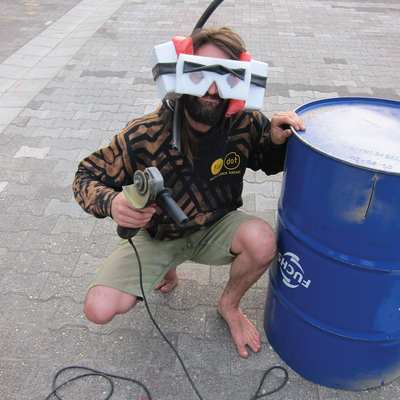
                                          @gloriouscow Xilinx's old ISE tool had a 'schematic' mode where you could draw schematics and it would poop out HDL for that.

                                          gloriouscow@oldbytes.spaceG 1 Reply Last reply
                                          0
                                          Reply
                                          • Reply as topic
                                          Log in to reply
                                          • Oldest to Newest
                                          • Newest to Oldest
                                          • Most Votes


                                          • Login

                                          • Login or register to search.
                                          • First post
                                            Last post
                                          0
                                          • Categories
                                          • Recent
                                          • Tags
                                          • Popular
                                          • World
                                          • Users
                                          • Groups