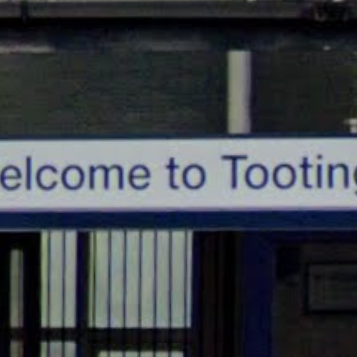
“It was a bright cold day in April, and the clocks were striking thirteen…”#1984
-
“It was a bright cold day in April, and the clocks were striking thirteen…”
#1984
-
“It was a bright cold day in April, and the clocks were striking thirteen…”
#1984@marcdavenant and this is a good reason to wear a burqa
-
“It was a bright cold day in April, and the clocks were striking thirteen…”
#1984@marcdavenant @SimonRoyHughes Surveillance is Privacy (Security could remotely fly…)
-
@marcdavenant and this is a good reason to wear a burqa
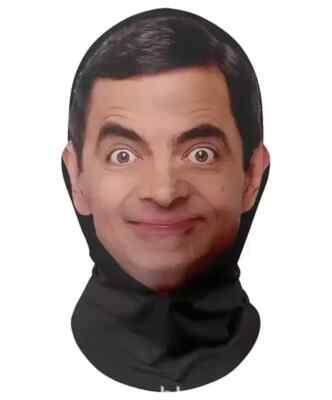
Honestly tempted. That or a V for Vendetta mask.
-
“It was a bright cold day in April, and the clocks were striking thirteen…”
#1984@marcdavenant I saw one of these at Kings Cross yesterday, from the British Transport Police but clearly the same template. Has there been some new approval for facial recognition nationally? I thought it was still in "trial" mode by the Met in London?
-
@marcdavenant I saw one of these at Kings Cross yesterday, from the British Transport Police but clearly the same template. Has there been some new approval for facial recognition nationally? I thought it was still in "trial" mode by the Met in London?
They are rolling it out everywhere with no checks and balances and nobody seems to care
-
@marcdavenant @SimonRoyHughes Surveillance is Privacy (Security could remotely fly…)
-
“It was a bright cold day in April, and the clocks were striking thirteen…”
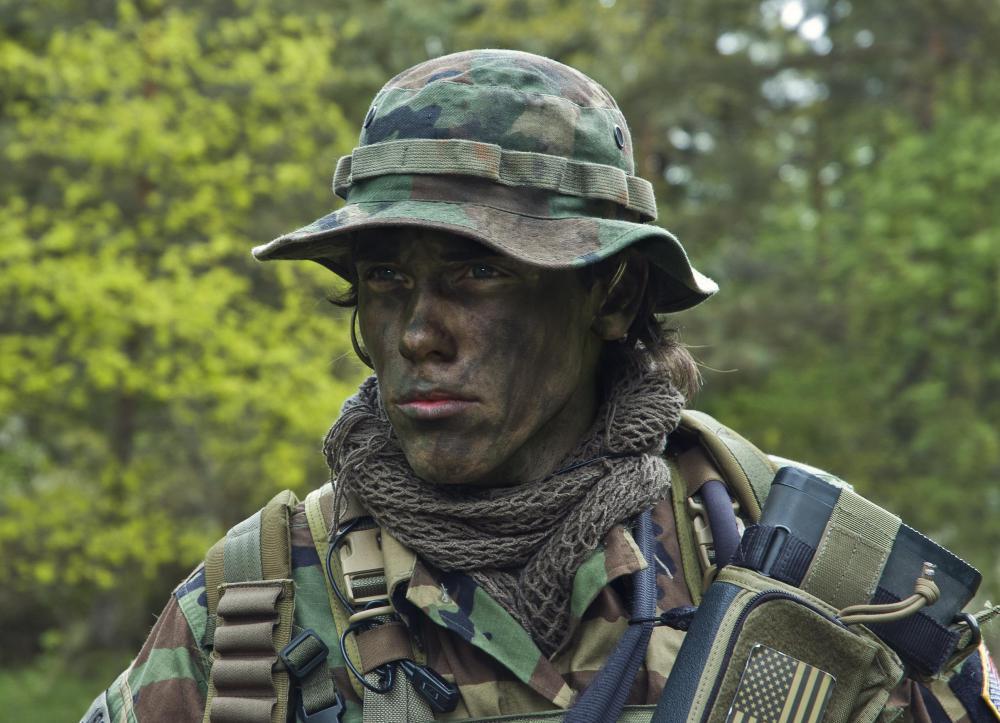
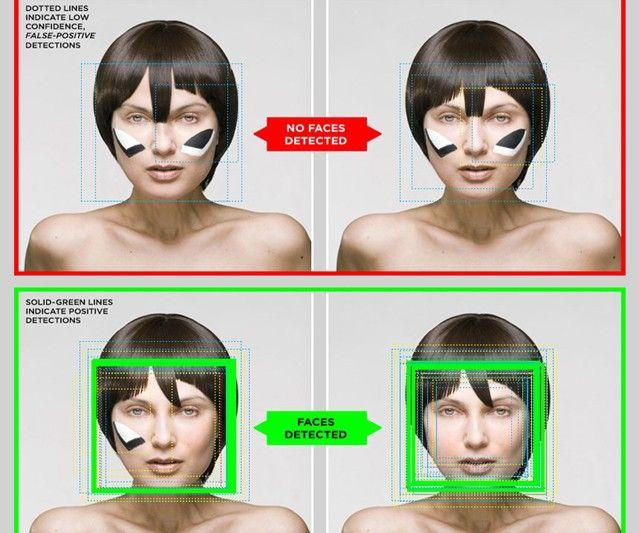
#1984@marcdavenant I keep wondering when dazzle makeup is going to take off to confound these systems. It would be fashionable and anti-surveillance
WW1: How did an artist help Britain fight the war at sea?
Dr Sam Willis discovers how the British artist Norman Wilkinson developed dazzle camouflage to protect ships from German U-boats during the First World War.

BBC Teach (www.bbc.co.uk)
-
@marcdavenant I keep wondering when dazzle makeup is going to take off to confound these systems. It would be fashionable and anti-surveillance
WW1: How did an artist help Britain fight the war at sea?
Dr Sam Willis discovers how the British artist Norman Wilkinson developed dazzle camouflage to protect ships from German U-boats during the First World War.
BBC Teach (www.bbc.co.uk)
@Talia @marcdavenant
Hear, hear.
Also, credit to the people operating the cameras for signposting it (and/or the legislators who wrote the laws that prompted the camera operators so to do).I hope I might be forgiven for Sharing a fun poem about dazzle camouflage.
Designed to Dazzle, by Annette Wickham:
Captain Schmidt at the periscope
You need not fall and faint
For it's not the vision of drug or dope,
But only the dazzle-paint.
And you're done, you're done, my pretty Hun.
You're done in the big blue eye,
By painter-men with a sense of fun,
And their work has just gone by.
Cheero!
A convoy safely by.#surveillance #facialRecognition #crime #counterSurveillance #camouflage #privacy
-
“It was a bright cold day in April, and the clocks were striking thirteen…”
#1984“There is no legal requirement” - so given that where this is in place you can’t now go into town and, say, visit the library without inevitably going through it, and the lack of legislation that requires you to endure it, isn’t this really saying “we are forcing this upon you with no legal basis: suck it up.”?
(Not that it having an actual legal mandate would make it right/okay!)
-
R relay@relay.an.exchange shared this topic