Skip to content
  • Categories
  • Recent
  • Tags
  • Popular
  • World
  • Users
  • Groups
Skins
  • Light
  • Brite
  • Cerulean
  • Cosmo
  • Flatly
  • Journal
  • Litera
  • Lumen
  • Lux
  • Materia
  • Minty
  • Morph
  • Pulse
  • Sandstone
  • Simplex
  • Sketchy
  • Spacelab
  • United
  • Yeti
  • Zephyr
  • Dark
  • Cyborg
  • Darkly
  • Quartz
  • Slate
  • Solar
  • Superhero
  • Vapor

  • Default (Cyborg)
  • No Skin
Collapse
Brand Logo

CIRCLE WITH A DOT

  1. Home
  2. Uncategorized
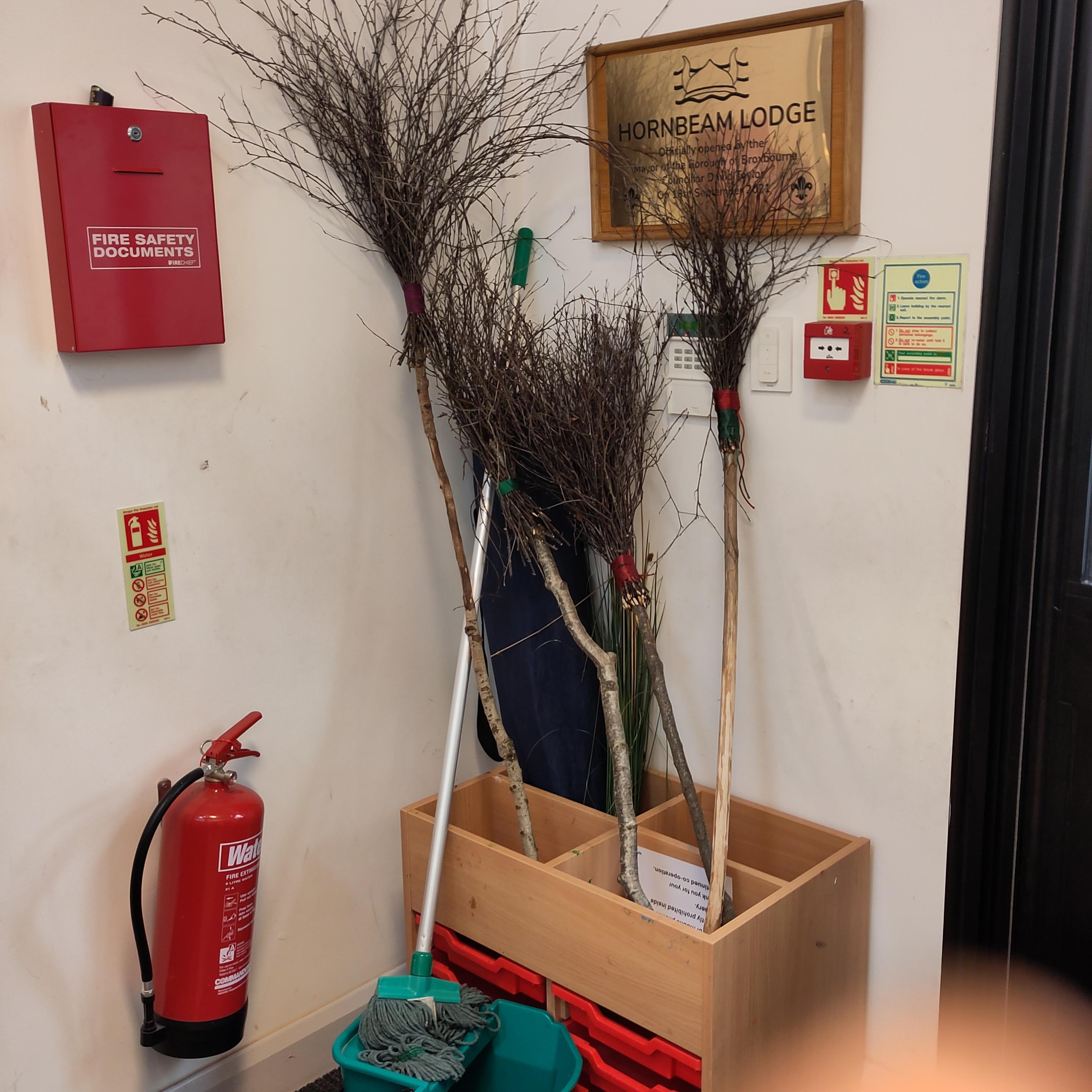
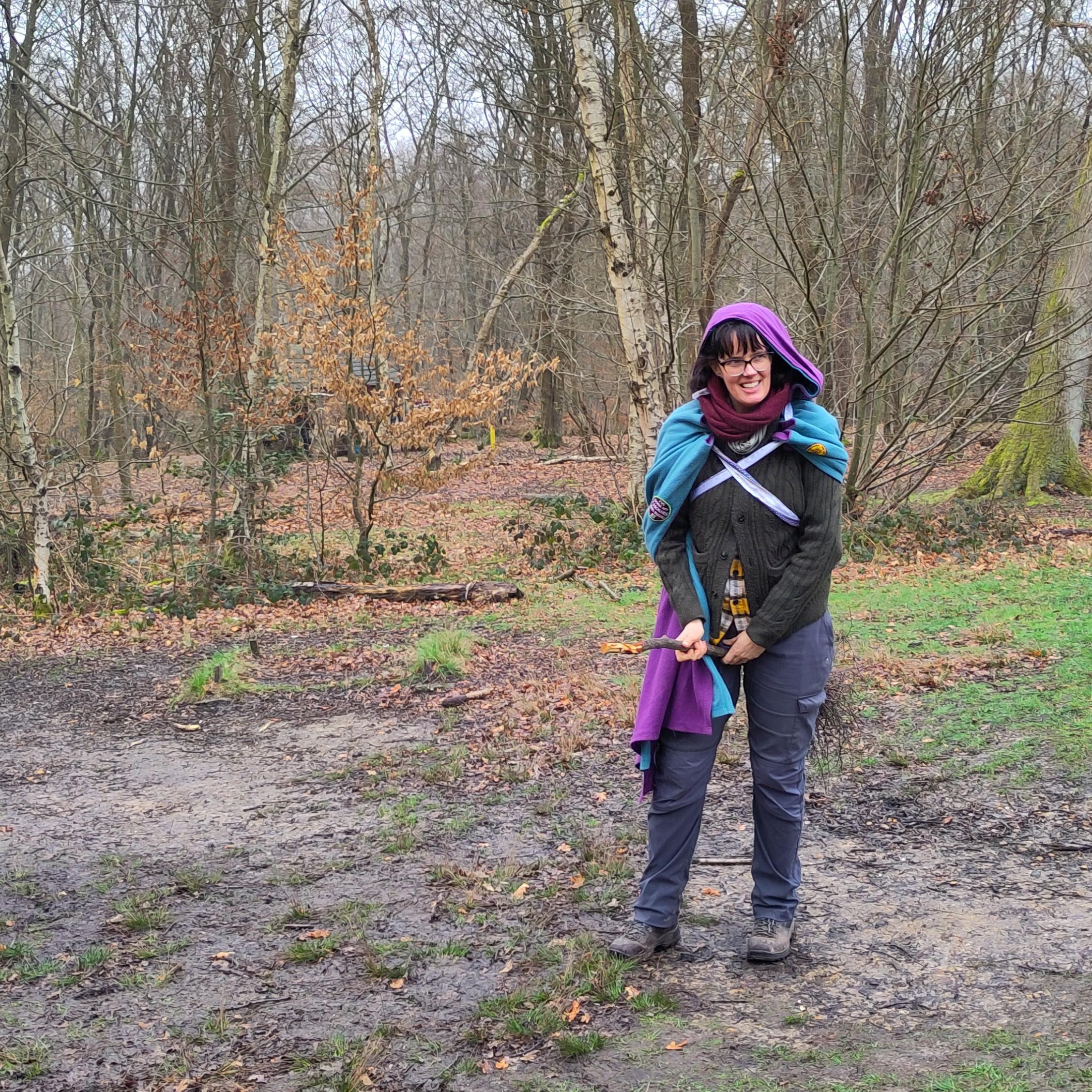
  3. Anyway the reason I've been travelling through London being bewildered by hipster cafes is I went to the Institute of Outdoor Learning's #Bushcraft conference this weekend and taught a couple of besom broom making workshops.
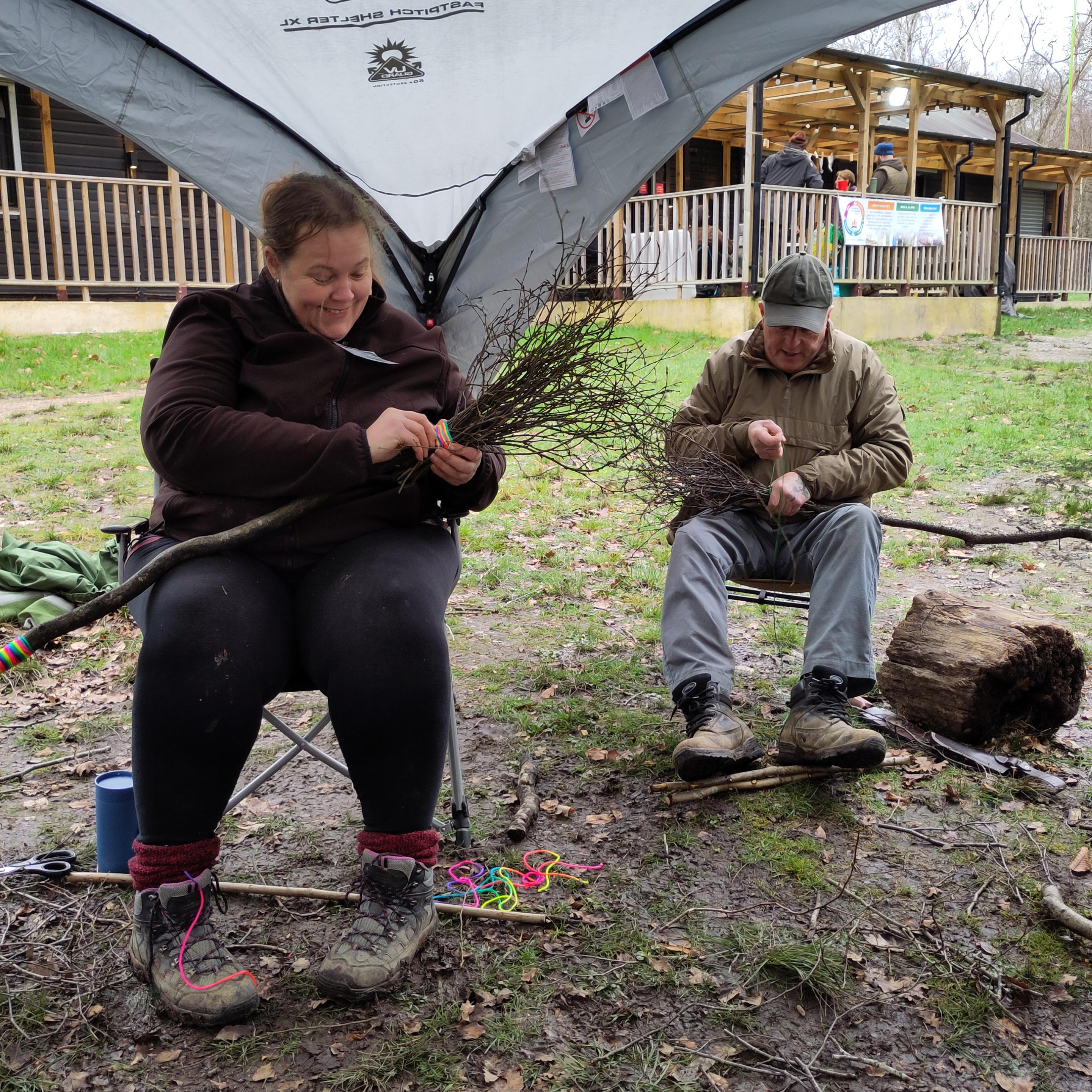
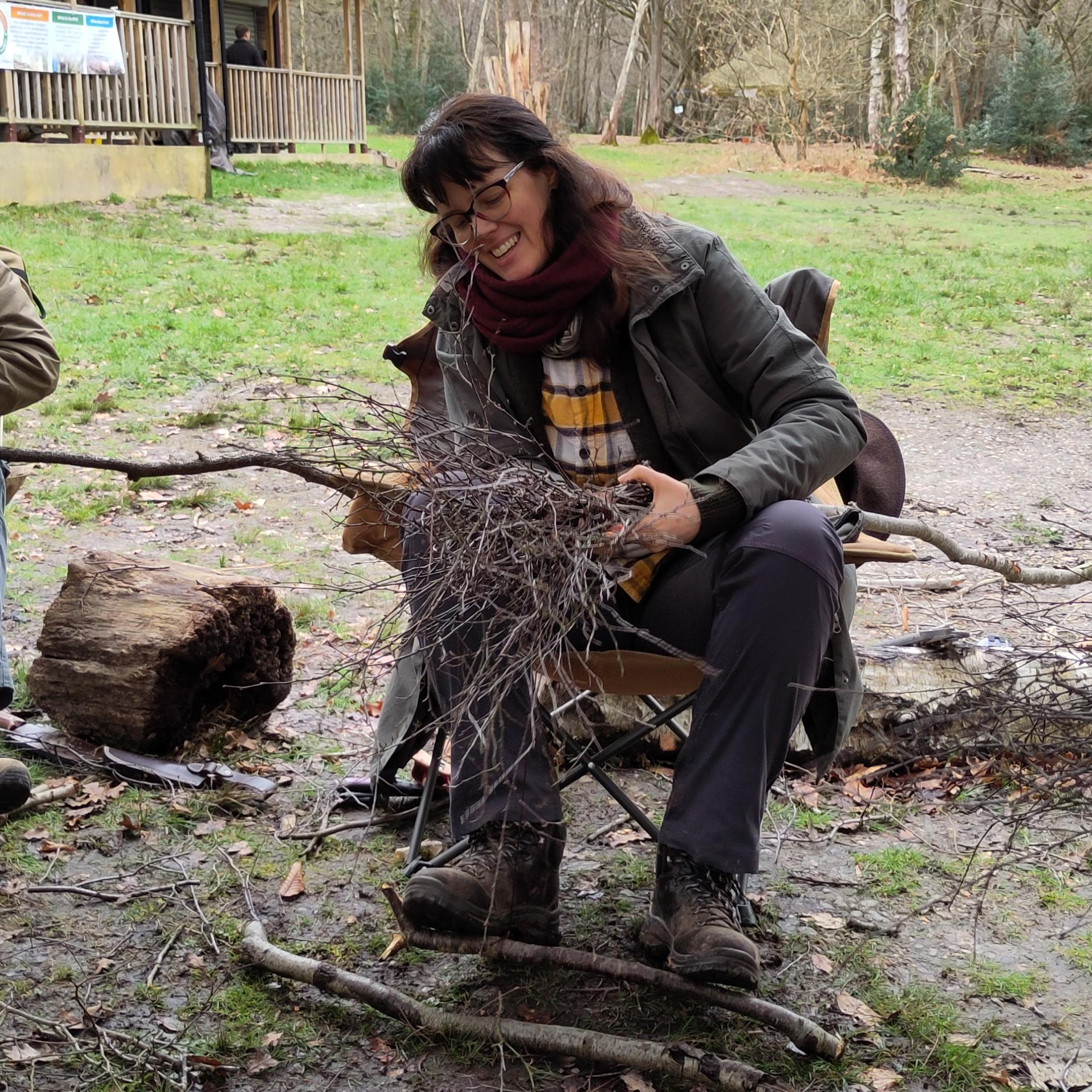
Anyway the reason I've been travelling through London being bewildered by hipster cafes is I went to the Institute of Outdoor Learning's #Bushcraft conference this weekend and taught a couple of besom broom making workshops.
Scheduled Pinned Locked Moved Uncategorized
bushcraftheritagecraftsancestralskills
25 Posts 14 Posters 90 Views
  • Oldest to Newest
  • Newest to Oldest
  • Most Votes
Reply
  • Reply as topic
Log in to reply
This topic has been deleted. Only users with topic management privileges can see it.
  • afewbugs@social.coopA afewbugs@social.coop

    I also got to attend a workshop on how to make rushlights. Rushlights were recorded as having been made in Britain by the native inhabitants by Roman chroniclers, and remained in use in the poorest households as a more affordable alternative to candles into the 19th century.

    They're made by stripping most of the epidermis off the soft rush Juncus effusus, leaving only a thin strip to provide structure but exposing the inner pith. The rushes are then dried, soaked in fat and burned for light. Traditionally pig or mutton fat would have been used, but as candles became more widely commercially available it was apparently quite common for families to buy one candle and melt it down to make 30 rushlights, as a less messy alternative to rendering their own fat. You can use vegetable oil as I did here but solid fats are less messy.

    #HeritageCrafts #AncestralSkills

    afewbugs@social.coopA This user is from outside of this forum
    afewbugs@social.coopA This user is from outside of this forum
    afewbugs@social.coop
    wrote last edited by
    #21

    Me, back from the IOL conference: "Hi there cats! I'm back! Did you miss me?"

    Cats: completely ignore me to start chewing on the plant fibres I brought back.

    normjess@tech.lgbtN 1 Reply Last reply
    0
    • afewbugs@social.coopA afewbugs@social.coop

      Me, back from the IOL conference: "Hi there cats! I'm back! Did you miss me?"

      Cats: completely ignore me to start chewing on the plant fibres I brought back.

      normjess@tech.lgbtN This user is from outside of this forum
      normjess@tech.lgbtN This user is from outside of this forum
      normjess@tech.lgbt
      wrote last edited by
      #22

      @afewbugs this is why you have a partner

      so you can dress them up as a cat and they can act out being pleased to see you

      1 Reply Last reply
      0
      • afewbugs@social.coopA afewbugs@social.coop

        @stevegis_ssg @amenonsen I did indeed enjoy that!

        amenonsen@flipping.rocksA This user is from outside of this forum
        amenonsen@flipping.rocksA This user is from outside of this forum
        amenonsen@flipping.rocks
        wrote last edited by
        #23

        @afewbugs @stevegis_ssg Me too, thank you!

        For some reason, I thought there was also a boat called a junket (independently of the ones called junks), but I cannot find a single good reason now for me to have thought this.

        stevegis_ssg@mas.toS 1 Reply Last reply
        0
        • afewbugs@social.coopA afewbugs@social.coop

          I also got to attend a workshop on how to make rushlights. Rushlights were recorded as having been made in Britain by the native inhabitants by Roman chroniclers, and remained in use in the poorest households as a more affordable alternative to candles into the 19th century.

          They're made by stripping most of the epidermis off the soft rush Juncus effusus, leaving only a thin strip to provide structure but exposing the inner pith. The rushes are then dried, soaked in fat and burned for light. Traditionally pig or mutton fat would have been used, but as candles became more widely commercially available it was apparently quite common for families to buy one candle and melt it down to make 30 rushlights, as a less messy alternative to rendering their own fat. You can use vegetable oil as I did here but solid fats are less messy.

          #HeritageCrafts #AncestralSkills

          relet@flipping.rocksR This user is from outside of this forum
          relet@flipping.rocksR This user is from outside of this forum
          relet@flipping.rocks
          wrote last edited by
          #24

          @afewbugs

          Neat. My older neighbour told me about the common rush, which is called "light rush" (lyssiv) in Norwegian, he said because it was used for candle wicks. Nice to see what that looked like.

          1 Reply Last reply
          0
          • amenonsen@flipping.rocksA amenonsen@flipping.rocks

            @afewbugs @stevegis_ssg Me too, thank you!

            For some reason, I thought there was also a boat called a junket (independently of the ones called junks), but I cannot find a single good reason now for me to have thought this.

            stevegis_ssg@mas.toS This user is from outside of this forum
            stevegis_ssg@mas.toS This user is from outside of this forum
            stevegis_ssg@mas.to
            wrote last edited by
            #25

            @amenonsen @afewbugs

            And I believe junks are called that because of woven reed sails!

            ***NOPE NOPE NOPE! Sorry, I checked the OED and they do NOT think this is true. Folk etymology'll getcha! Sorry for the misinfo!

            1 Reply Last reply
            0
            • R relay@relay.infosec.exchange shared this topic
            Reply
            • Reply as topic
            Log in to reply
            • Oldest to Newest
            • Newest to Oldest
            • Most Votes


            • Login

            • Login or register to search.
            • First post
              Last post
            0
            • Categories
            • Recent
            • Tags
            • Popular
            • World
            • Users
            • Groups