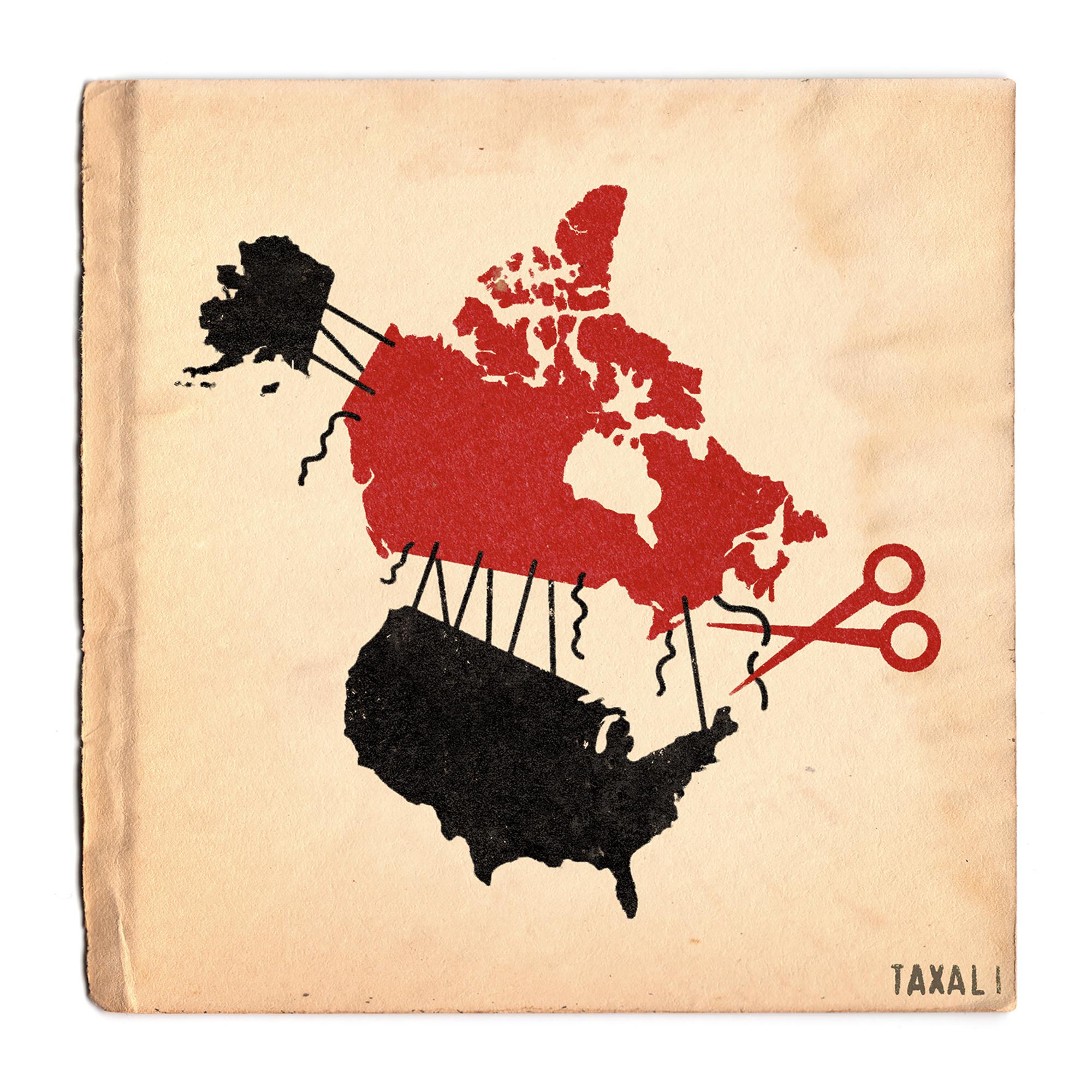
In 2026, the global economy is experiencing the most severe disruptions in modern history. Trade wars, sanctions, and escalating geopolitical conflicts are creating a cascade of instability that affects every sector and every region.The US-China trade war has expanded into critical technologies, data flows, and investment restrictions. EU sanctions against Russia continue to drive energy prices and inflation while delivering questionable political results. Developing nations in Africa, Latin America, and Asia are forced to choose between economic blocs, risking access to essential markets.The consequences are tangible:Semiconductor shortages paralyzing automotive productionPharmaceutical supply chains threatening drug availabilityAgricultural restrictions driving food price inflationTariffs increasing costs for basic consumer goodsWhat is often overlooked is how unevenly these impacts are distributed. Political elites and large corporations have the resources to navigate complexity. Small businesses, farmers, and ordinary citizens do not. They become collateral damage in decisions made far from their lives.Economists now warn of a global recession if this trajectory continues. The domino effect is already visible.We need multilateral dialogue. Targeted sanctions rather than blanket measures. Transparency on economic impacts before decisions are made. And mechanisms to protect those who suffer the consequences.https://newsgroup.site/global-economy-2026-trade-war-sanctions/#economy #trade #sanctions #inflation #geopolitics