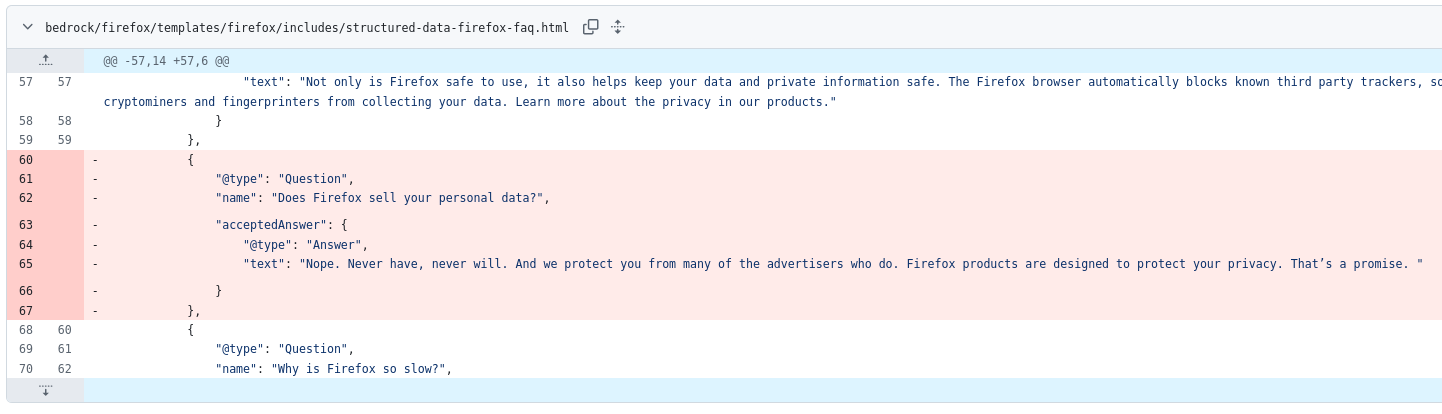
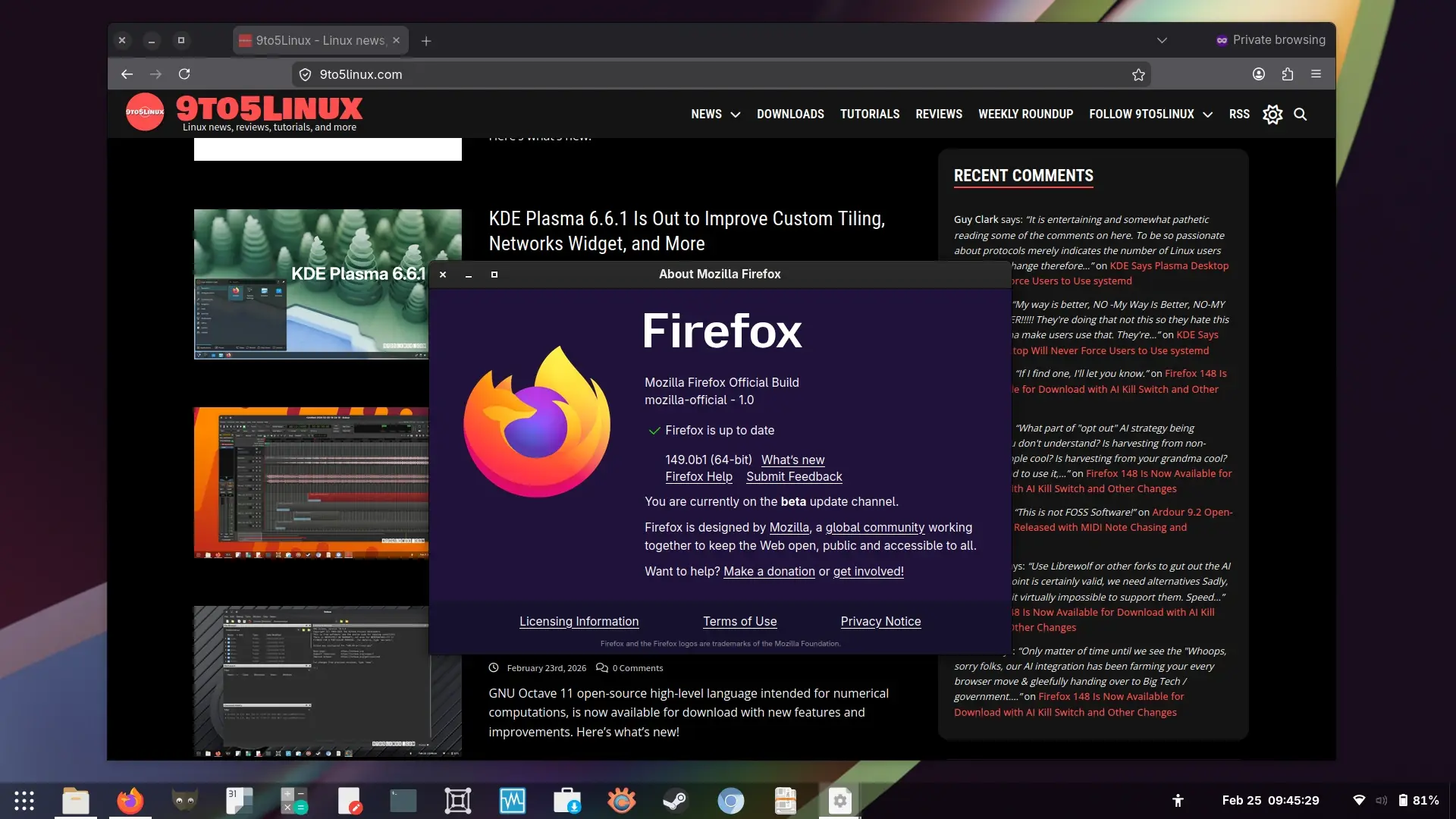
@ohir Yeah, this all makes sense. You need to place the trust somewhere. If it is a corporation, a foundation, a community, a developer or yourself. You can't escape the need for trust.I tend to trust communities most, as they more seldom have an "agenda". They usually want things to Just Work with as few hurdles as possible. Ideal organisations (like Codeberg) is the next level I can trust, as they state clearly what they want to achieve and is rigged for it.Mozilla was primarily a foundation earlier, which has moved towards a corporation and now has very different motives than what it had earlier.I don't trust Google's motives for Chromium, which most of the "Chrome based browsers" builds on. I would generally trust Vivaldi more, even though they are small by comparison. But since they are small, they can "afford" to be brave in their marketing to catch attention. On the other side, they have the European mentality to privacy, which none of the US based alternatives lacks. And if Google really cripples Chromium as they're now doing with Android ... I would expect Vivaldi to be one of the few who really would be able to carry and maintain a Chromium fork.That is one side of these aspects.Another one is that it's not healthy for the open Internet itself to be so dominated by a single browser rendering engine. There are fewer chances to keep then straight and honest, to avoid them to end up in a lock-in situation - like was mostly the case 20 years ago with Internet Explorer. Even though, what made that time even harder was that Internet Explorer was primarily only available on a single platform; that aspect is somewhat better now.So the Firefox branch of browsers really need get some stronger foothold, even if it's just one or two. And then there is Servo, which I also hope can have a real future down the road.Without alternatives ... we will get a poorer Internet. It might work fine in the beginning, until the dominator takes full control over the market.