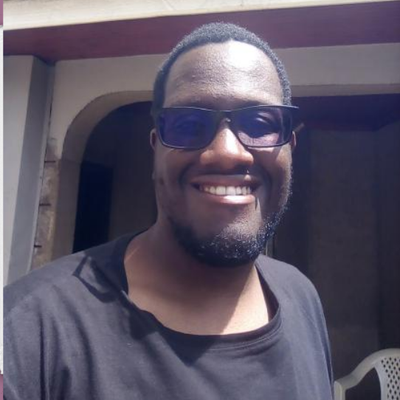
In a world that often separates logic from emotion, art therapy is proving that true healing happens when the mind and heart work together. In South Africa, this approach is gaining momentum, led by practitioners like Alisa Ray—one of the country’s first formally trained art therapists—who is helping reshape how we understand mental health, creativity, and personal growth.Her journey is more than a personal story. It reflects the rise of a new creative wellness industry—one that blends art, psychology, and cultural identity into meaningful healing experiences.https://www.youtube.com/watch?v=oKlM8EZ_GzcBuilding a New Profession in South AfricaArt therapy is still a young field locally, but it is quickly becoming more structured and recognized. Alisa Ray’s career mirrors this growth.She began working with communities in Johannesburg, using art as a tool to engage and support children. This hands-on experience led her to train at the Lefika La Phodiso institute, where she developed a strong foundation in psychoanalytical art counselling.Her journey continued academically, culminating in a Master’s degree in Art Therapy from the University of Johannesburg in 2023—part of the first group to graduate in this discipline locally. Today, she is registered with the Health Professions Council of South Africa, marking a major step toward formal recognition of art therapy in the country.This shift is important—not only for healthcare but for entrepreneurs and creatives looking to build careers in the growing wellness economy.A Safe Space for ExpressionAt the core of Ray’s work is the idea of creating a safe, supportive environment where people can explore emotions without pressure.Her practice is symbolised by the “Paper Nautilus,” inspired by a delicate shell that protects new life. This metaphor reflects how therapy works: a contained space where vulnerability is allowed, and healing can begin.Unlike traditional therapy, art therapy doesn’t rely only on talking. Clients use colours, shapes, and imagery to express feelings that may be difficult to verbalise. There’s no expectation of artistic skill—the focus is on the process, not the final product.Connecting South Africans Across BordersOne of the most relevant aspects of Ray’s work today is her focus on accessibility. Through online sessions, she supports South Africans both locally and abroad.For many living overseas, especially in Europe and the UK, there’s often a sense of cultural disconnection, loneliness, or emotional strain. Art therapy offers a bridge—helping individuals process change, grief, and identity through creative expression.This digital model also highlights a key business insight: creative services are no longer limited by geography. South African practitioners can now serve a global audience while maintaining cultural relevance.Healing Through Culture and Spiritualityhttps://www.youtube.com/watch?v=mFFHXSRZQk4What sets Ray’s work apart is her integration of spirituality into therapy—something deeply rooted in many African communities.In her research on dementia care, she explores how Western medical approaches can sometimes overlook cultural beliefs. Instead of rejecting these perspectives, she blends them into her practice.Through art-making and music, dementia patients are able to reconnect with emotion and identity—even when memory fades. This approach respects the dignity of patients while offering new ways to communicate beyond words.It also extends support to caregivers, who often face emotional and financial stress. By including them in the healing process, art therapy becomes a shared journey rather than an isolated experience.Art as a Universal LanguageRay’s own artwork reflects her philosophy. Her abstract circular paintings are intuitive and deeply personal, yet they resonate with people across different spaces and cultures.Her work has appeared in private homes, creative venues, and international locations, showing that art rooted in authenticity can travel far beyond its origin.These pieces are not just decorative—they represent a form of emotional storytelling, where each layer of paint carries meaning, reflection, and healing.A Growing Opportunity in the Creative EconomyThe rise of art therapy speaks to a bigger shift happening in South Africa:Mental health is becoming a priorityCreative skills are evolving into professional servicesWellness is turning into a viable business sectorFor artists, designers, and creatives, this opens up new pathways. Your work doesn’t have to live only in galleries or retail—it can exist in therapy spaces, workshops, schools, and community programs.Art can heal. And healing can be a career.Final Thought: Healing Through CreativityArt therapy reminds us that not everything can be explained with words. Sometimes, healing comes through colour, movement, and quiet reflection.https://www.youtube.com/watch?v=rgp27kGKKVAIn a country like South Africa—rich in culture, history, and complexity—this approach feels especially relevant. It allows people to reconnect with themselves, their communities, and their stories in a deeper way.As this field continues to grow, it offers something powerful: a chance to turn creativity into impact, and expression into transformation.