
It’s safer internet day!
-
It’s safer internet day!

... ...but what does that actually mean?Is the Internet unsafe? For whom do we need to make it safer?
Let‘s take a look from some different perspectives:
-
It’s safer internet day!
... ...but what does that actually mean?Is the Internet unsafe? For whom do we need to make it safer?
Let‘s take a look from some different perspectives:
The answer is as complex as humanity itself – and it depends a lot on context. Who we are, which identities we hold, where we are in the physical world, what systems of oppression we are subject to... to name just a few factors.
But don’t forget:
-
The answer is as complex as humanity itself – and it depends a lot on context. Who we are, which identities we hold, where we are in the physical world, what systems of oppression we are subject to... to name just a few factors.
But don’t forget:
The internet can be a safe haven.
For people who face oppression because of who they are or what they need, the internet has often provided vital connections and information, for example:
The internet has long provided important spaces for queer communities to build connections outside of public scrutiny. For people living in places with restrictive reproductive rights, it can provide access to crucial information about health and reproduction (like how to get an abortion). -
The internet can be a safe haven.
For people who face oppression because of who they are or what they need, the internet has often provided vital connections and information, for example:
The internet has long provided important spaces for queer communities to build connections outside of public scrutiny. For people living in places with restrictive reproductive rights, it can provide access to crucial information about health and reproduction (like how to get an abortion). Is the web really the problem?
Bullying on social media, algorithmic discrimination and corporate or state surveillance of our digital communication all have their counterparts in the analogue world.
Creating safer spaces is an ongoing issue online as much as offline – which means that looking for solutions only in the tech won’t solve the problem.
As people need very different things from the internet, there’s no single approach. -
Is the web really the problem?
Bullying on social media, algorithmic discrimination and corporate or state surveillance of our digital communication all have their counterparts in the analogue world.
Creating safer spaces is an ongoing issue online as much as offline – which means that looking for solutions only in the tech won’t solve the problem.
As people need very different things from the internet, there’s no single approach. So what next?
Here’s what we think is important: taking an intersectional approach. Asking ourselves, who might be affected by suggested changes?
Example:
Mechanisms that ban children from accessing adult content have a tendency to also make it harder for them to access content on their bodily rights and self determination – or they simply lead to intended or unintended overblocking of entirely legal content*.Which one is worse? Which one is worth it?
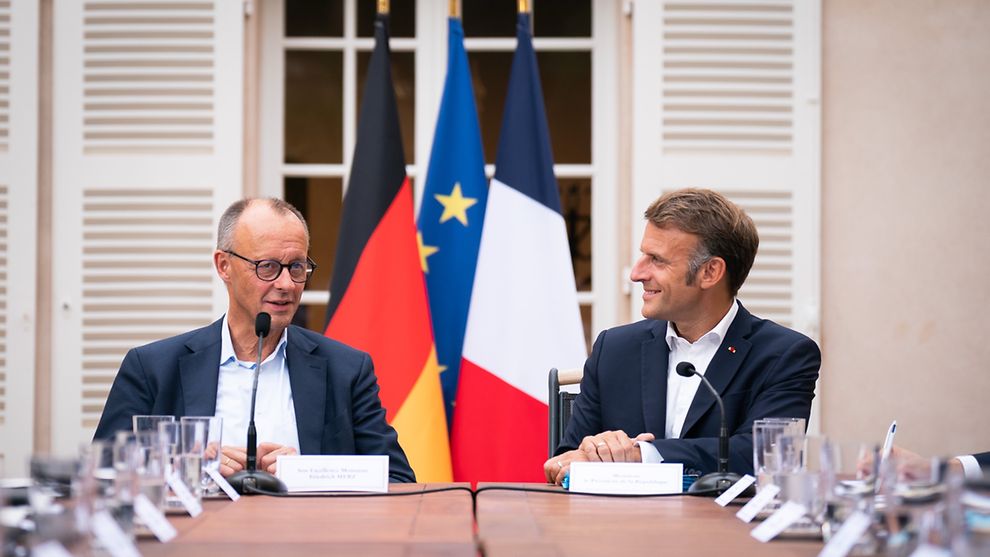
Diskussionspapier: Tech-Unternehmen sollen legalen Extremismus suchen
Internet-Dienste sollen nicht nur sexuellen Kindesmissbrauch suchen, sondern auch andere Inhalte wie Extremismus. Das fordern Deutschland, Frankreich und die Niederlande in einem Diskussionspapier. Tech-Unternehmen lehnen es ab, ihr System zum Datenaustausch auf solche Inhalte auszuweiten.

netzpolitik.org (netzpolitik.org)
-
So what next?
Here’s what we think is important: taking an intersectional approach. Asking ourselves, who might be affected by suggested changes?
Example:
Mechanisms that ban children from accessing adult content have a tendency to also make it harder for them to access content on their bodily rights and self determination – or they simply lead to intended or unintended overblocking of entirely legal content*.Which one is worse? Which one is worth it?
Diskussionspapier: Tech-Unternehmen sollen legalen Extremismus suchen
Internet-Dienste sollen nicht nur sexuellen Kindesmissbrauch suchen, sondern auch andere Inhalte wie Extremismus. Das fordern Deutschland, Frankreich und die Niederlande in einem Diskussionspapier. Tech-Unternehmen lehnen es ab, ihr System zum Datenaustausch auf solche Inhalte auszuweiten.
netzpolitik.org (netzpolitik.org)
Feminism and Safety
From safe(r) spaces* and brave spaces* to accountable spaces*: There is no right way to shape our interactions with each other, but it is crucial that we do so with care, transparency and love.
And maybe this is what we need: Different solutions to serve different needs instead of the “global village” one-size-fits-all solution.
Context is queen! /\/\/\
-
Feminism and Safety
From safe(r) spaces* and brave spaces* to accountable spaces*: There is no right way to shape our interactions with each other, but it is crucial that we do so with care, transparency and love.
And maybe this is what we need: Different solutions to serve different needs instead of the “global village” one-size-fits-all solution.
Context is queen! /\/\/\
The internet is more than social media!
In the current moment, we often fall into the trap of thinking about the internet just as social media platforms. It’s so much more than that!
Our access to the internet doesn‘t have to be mediated just by social media platforms and Big Tech. And moving away from those platforms gives us more options to create safe pockets of the internet for ourselves.
-
The internet is more than social media!
In the current moment, we often fall into the trap of thinking about the internet just as social media platforms. It’s so much more than that!
Our access to the internet doesn‘t have to be mediated just by social media platforms and Big Tech. And moving away from those platforms gives us more options to create safe pockets of the internet for ourselves.
For this Safer Internet Day, ask yourself:
Where do I feel safe online? What contributes to me feeling safe? How can I help create spaces where other people feel safe?This could look like:
- Stepping in online if you see someone being bullied.
- Writing Wikipedia articles to help create more accessible information for others.
- Being mindful what you communicate about the people around you, and on which platforms – a picture shared online is communication, too.
- Moving your social media accounts to the Fediverse, or contributing to community safety guidelines. -
For this Safer Internet Day, ask yourself:
Where do I feel safe online? What contributes to me feeling safe? How can I help create spaces where other people feel safe?This could look like:
- Stepping in online if you see someone being bullied.
- Writing Wikipedia articles to help create more accessible information for others.
- Being mindful what you communicate about the people around you, and on which platforms – a picture shared online is communication, too.
- Moving your social media accounts to the Fediverse, or contributing to community safety guidelines.What we do at SUPERRR:
We work with data workers and content moderators.
A safer internet must protect not only users, but also the data workers and content moderators who keep social media platforms and AI systems safe for everyone. This essential labor is often performed under harsh conditions and systematically rendered invisible.
Building a truly safe internet requires strong labor standards, meaningful protections and recognition for the people whose work sustains digital ecosystems.
Without safeguarding their rights and dignity, claims of online safety and ethical technology remain incomplete.
-
What we do at SUPERRR:
We work with data workers and content moderators.
A safer internet must protect not only users, but also the data workers and content moderators who keep social media platforms and AI systems safe for everyone. This essential labor is often performed under harsh conditions and systematically rendered invisible.
Building a truly safe internet requires strong labor standards, meaningful protections and recognition for the people whose work sustains digital ecosystems.
Without safeguarding their rights and dignity, claims of online safety and ethical technology remain incomplete.
We imagine and draft futures free of digital violence.
You might have heard about Grok, an AI tool that allowed people to manipulate images online. That’s just one of many examples of how digital technologies can be used to harm, exploit and control women, children and marginalised communities. These harms are not just technical problems, but social ones rooted patriarchal systems of oppression.
A safer internet means recognising digital violence, taking survivors seriously – also by translating their needs and experiences into policy – and strengthening preventative measures, education, and long-term support systems.We need holistic answers to structural problems like digital violence.
-
We imagine and draft futures free of digital violence.
You might have heard about Grok, an AI tool that allowed people to manipulate images online. That’s just one of many examples of how digital technologies can be used to harm, exploit and control women, children and marginalised communities. These harms are not just technical problems, but social ones rooted patriarchal systems of oppression.
A safer internet means recognising digital violence, taking survivors seriously – also by translating their needs and experiences into policy – and strengthening preventative measures, education, and long-term support systems.We need holistic answers to structural problems like digital violence.
We research and educate about digital fairness.
Digital markets claim to offer choice and convenience, but too often they rely on manipulation, opaque systems, and unequal power relations.
From deceptive design and personalised pricing to constant tracking, many online services are built to extract consent and data rather than protect people.
A fair internet means recognising that these harms are structural, not individual failures. It means strengthening consumer rights, transparency, and collective protections - so people don’t have to navigate digital markets alone or blame themselves for systems designed against them. -
R relay@relay.mycrowd.ca shared this topic


