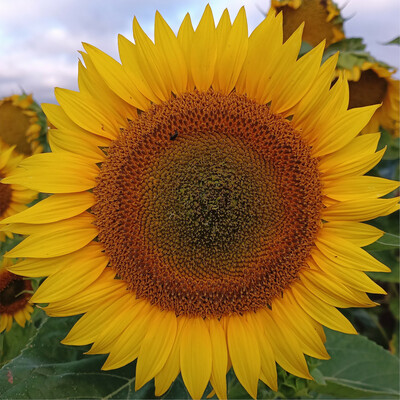
There are so many parallels in #farming I don't even know where to start.
-
RE: https://chaos.social/@sleepyowl/116126002122086149
There are so many parallels in #farming I don't even know where to start.
The part where SW and HW directly intersect farming is less of a parallel and the actual thing, so it's best to leave that aside.
1/6 -
RE: https://chaos.social/@sleepyowl/116126002122086149
There are so many parallels in #farming I don't even know where to start.
The part where SW and HW directly intersect farming is less of a parallel and the actual thing, so it's best to leave that aside.
1/6Agriculture started off as open source by its very nature. I mean, nature as in Nature.
Take seeds, for example. Seeds are now object of patenting, and a minimum certified seed percentage in sowing is sometimes required. Certified also means trademarked.
This was set in place for food security reasons. Certified seeds have better germination rates, traits, etc. Makes sense, right?
2/6 -
Selecting our own seeds and plants is most definitely not an option for farmers.
It takes a lot of time, a scientific background and previous knowledge, and is a job on its own.
Someone else has to do it, without selling off to corporate interests, if we as a society want to keep the Commons common.
This asks for specific legislation, and it won't happen without concerted effort.
4/6I don't think we're there yet, but we've come a long way and are still headed towards a neoliberal distopia we'll only be able to stop if we're to 1) regulate corporate interference at the source, i.e. lobbying, and 2) build a resilience framework that actually protects the Commons.
5/6 -
Well, not always. Because if we're to invest in resilience, the long term, then being dependent on such a high tech pipeline is quite its opposite, not mentioning being even more squeezed in between middle men, then becoming the middle man, and finally risking being discarded as it.
There are now companies trying to sign up farmers to "orchard as a service" deals that are so egregious (and I think probably illegal) the abyss would ask us to please stop rage screaming.
3/6Selecting our own seeds and plants is most definitely not an option for farmers.
It takes a lot of time, a scientific background and previous knowledge, and is a job on its own.
Someone else has to do it, without selling off to corporate interests, if we as a society want to keep the Commons common.
This asks for specific legislation, and it won't happen without concerted effort.
4/6 -
Agriculture started off as open source by its very nature. I mean, nature as in Nature.
Take seeds, for example. Seeds are now object of patenting, and a minimum certified seed percentage in sowing is sometimes required. Certified also means trademarked.
This was set in place for food security reasons. Certified seeds have better germination rates, traits, etc. Makes sense, right?
2/6Well, not always. Because if we're to invest in resilience, the long term, then being dependent on such a high tech pipeline is quite its opposite, not mentioning being even more squeezed in between middle men, then becoming the middle man, and finally risking being discarded as it.
There are now companies trying to sign up farmers to "orchard as a service" deals that are so egregious (and I think probably illegal) the abyss would ask us to please stop rage screaming.
3/6 -
I don't think we're there yet, but we've come a long way and are still headed towards a neoliberal distopia we'll only be able to stop if we're to 1) regulate corporate interference at the source, i.e. lobbying, and 2) build a resilience framework that actually protects the Commons.
5/6So patents, mandatory certification, safety and security reasons, corporate control and barriers to entry, and individual initiatives not being an actual option, all check out.
The part where this departs from SW/HW is that governments do not have a direct interest in control. This makes the fight for general purpose computing even harder, I guess.
6/6 -
R relay@relay.an.exchange shared this topic