Relevant to today's hand-wringing about jet fuel costs:
-
also found this excellent article about the motor developer, MagniX. It has some great technical info, delving into just how much more efficient the electric motors are compared to the piston and turboprop engines that they are replacing.
“a single magni500 Electric Propulsion Unit [the engine, inverter and cables], which weighs 185 kg… produces up to 560 kW. By comparison, the Pratt & Whitney R-985 Wasp Junior SB engine replaced in the eBeaver weighed 290 kg (not including oil) and produced just 300 kW.”
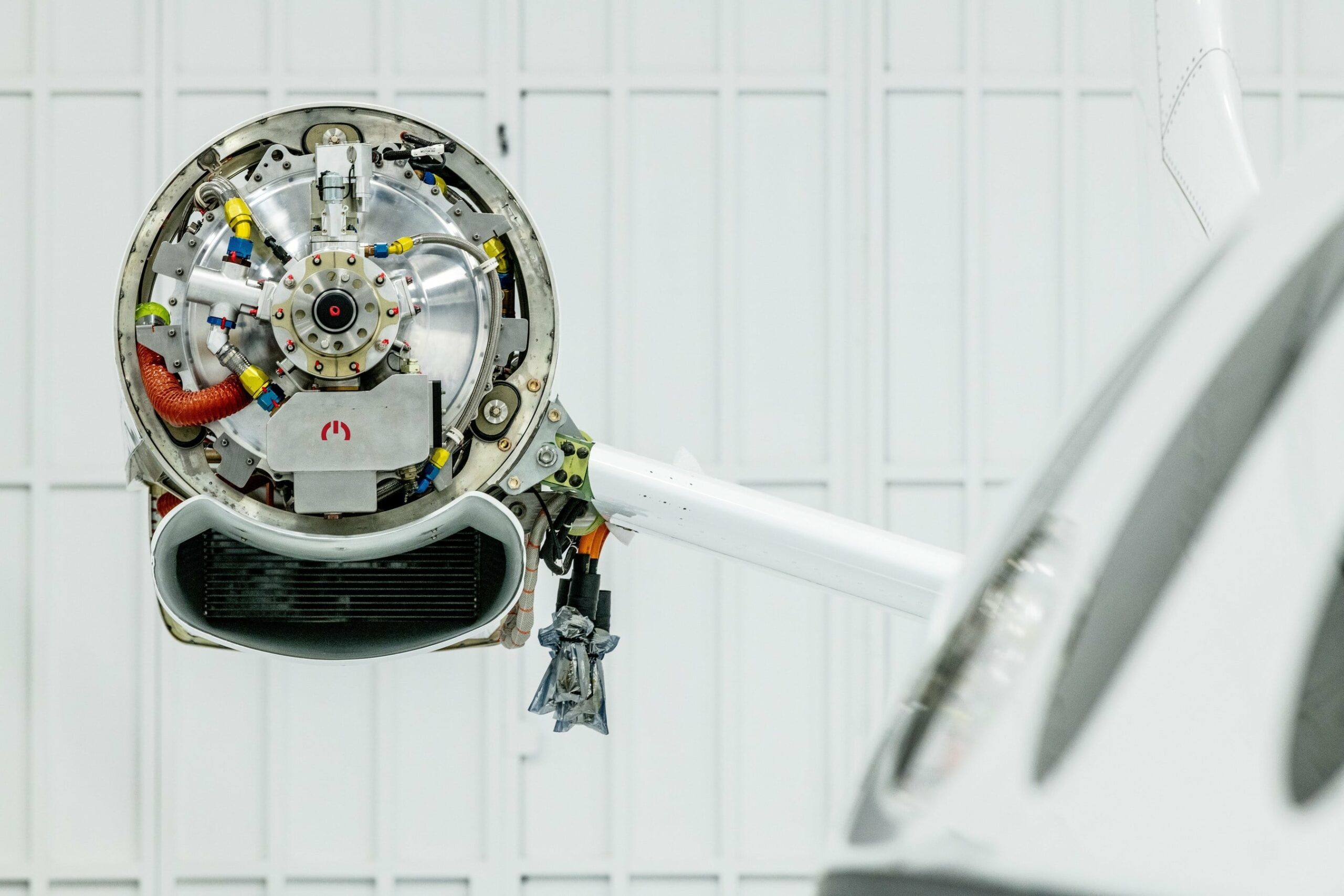
magniX magni350/650 EPUs: 700kW Electric Aircraft Propulsion
magniX magni350 (350kW, 128kg) and magni650 (700kW, 206kg) oil-cooled EPUs with magniDrive 100 inverters power Eviation Alice, Universal

E-Mobility Engineering (www.emobility-engineering.com)
#BC #AirTravel #ClimateAction #ClimateChange #EndFossilFuels
@chris Thanks for theresearch. I had been wonderding what happened to the project. I had seed videos of other efforts and always commented on Harbour Air being the actual first, but lack of news made me think that the stunt wasn't viable and abandonned.
-
also found this excellent article about the motor developer, MagniX. It has some great technical info, delving into just how much more efficient the electric motors are compared to the piston and turboprop engines that they are replacing.
“a single magni500 Electric Propulsion Unit [the engine, inverter and cables], which weighs 185 kg… produces up to 560 kW. By comparison, the Pratt & Whitney R-985 Wasp Junior SB engine replaced in the eBeaver weighed 290 kg (not including oil) and produced just 300 kW.”
magniX magni350/650 EPUs: 700kW Electric Aircraft Propulsion
magniX magni350 (350kW, 128kg) and magni650 (700kW, 206kg) oil-cooled EPUs with magniDrive 100 inverters power Eviation Alice, Universal
E-Mobility Engineering (www.emobility-engineering.com)
#BC #AirTravel #ClimateAction #ClimateChange #EndFossilFuels
the engineering article about the motors is super in depth, some of it way over my head, but they also compare the development of EV cars to planes and I get this... at least now... because it didn't occur to me:
Regeneration is great for cars!
Regeneration is a BIG NO for airplanes! Because if you glide and the propeller to regenerate power, you fall out of the sky.

so ya, none of that!
"Critically, one area the company worked hard on reducing was regeneration. At no point during flight, as well as descent, can the plane simply carry on under its own momentum while air drives the propellers to generate current. That would create a large amount of drag, and the plane would start to fall rapidly.
“Maybe a glider or UAV could do that, but not a passenger aircraft,” Armesmith says. “There are rules against it in aerospace, so we have to actively stop regeneration from being possible, it’s a fault we have to arrest,” Armesmith says.
“So, if we’ve either lost power or had to turn the motor off for any reason, the propeller needs to be able to windmill freely. We can’t have any electromagnetic resistance to the propeller free-turning owing to regeneration back into the DC bus.”
ya... glide good! fall bad! lol
I am very glad these very smart people are making it happen and a local company is right in there!!
magniX magni350/650 EPUs: 700kW Electric Aircraft Propulsion
magniX magni350 (350kW, 128kg) and magni650 (700kW, 206kg) oil-cooled EPUs with magniDrive 100 inverters power Eviation Alice, Universal
E-Mobility Engineering (www.emobility-engineering.com)
#BC #AirTravel #ClimateAction #ClimateChange #EndFossilFuels
-
Relevant to today's hand-wringing about jet fuel costs:
I was trolling around looking for an update on Harbour Air's eBeaver project (electric conversion for their DHC-2 "Beaver" commercial/passenger fleet) and the latest I have found and most comprehensive on the state of development is here.
Looks like they're continuing to invest and progress. They first flew in 2019 but the pandemic made a big dent but the regulatory certification sounds like it has been difficult and the parts (motor and battery) have had to evolve, but they are still working on it and now are converting a 2nd plane with upgraded specs and are targeting 2027 for commercial readiness!
#BC #AirTravel #ClimateAction #ClimateChange #EndFossilFuels
@chris The explanation for the silence in Harbour Air electrification:
"programme despite a setback, revealed in 2023, that requires it to use Magni650s instead of less-powerful Magni350s."My guess is that the test flight worked with single occupant, but wouldn't with passengers on board.
-
@chris The explanation for the silence in Harbour Air electrification:
"programme despite a setback, revealed in 2023, that requires it to use Magni650s instead of less-powerful Magni350s."My guess is that the test flight worked with single occupant, but wouldn't with passengers on board.
@jfmezei ya one the other articles said it had to do with both power and redundancy as the higher power motor also uses 4 inverters, each powering a section of the motor, so if one fails the motor can continue just at a lower power.
-
Russia built rather a number of models studying ground effect planes. They are now producing them commercially to replace ferries.
All of the modern ones I have seen photos of have extremely short wings.
-
@Amgine that would be sooo cool!
There was a video a few years ago of a semi-dirig being marketed to extremely wealthy people. And a couple things stand out in my memories. The whole thing was electric - you do not need a lot of thrust if you are not overcoming gravity.
The second was 'sailing': the Zeppelins mostly used wind for their transatlantic flight speed.
But most important was the silence. They cranked the mic gain so you could hear the wind outside. The guy's breathing was louder.
-
There was a video a few years ago of a semi-dirig being marketed to extremely wealthy people. And a couple things stand out in my memories. The whole thing was electric - you do not need a lot of thrust if you are not overcoming gravity.
The second was 'sailing': the Zeppelins mostly used wind for their transatlantic flight speed.
But most important was the silence. They cranked the mic gain so you could hear the wind outside. The guy's breathing was louder.
@Amgine i would so love to try that out!!
-
@Amgine i would so love to try that out!!
Me too. <BIG sigh…>
-
Relevant to today's hand-wringing about jet fuel costs:
I was trolling around looking for an update on Harbour Air's eBeaver project (electric conversion for their DHC-2 "Beaver" commercial/passenger fleet) and the latest I have found and most comprehensive on the state of development is here.
Looks like they're continuing to invest and progress. They first flew in 2019 but the pandemic made a big dent but the regulatory certification sounds like it has been difficult and the parts (motor and battery) have had to evolve, but they are still working on it and now are converting a 2nd plane with upgraded specs and are targeting 2027 for commercial readiness!
#BC #AirTravel #ClimateAction #ClimateChange #EndFossilFuels
Forgot to share this article from last summer, so about 4 months after the article you linked:
I am looking for any news they got the magnix650 motor(s) at the end of 2025.
-
Forgot to share this article from last summer, so about 4 months after the article you linked:
I am looking for any news they got the magnix650 motor(s) at the end of 2025.
This is the latest info I have found about the Magni650 - published today. But nothing about shipping them to Vancouver…
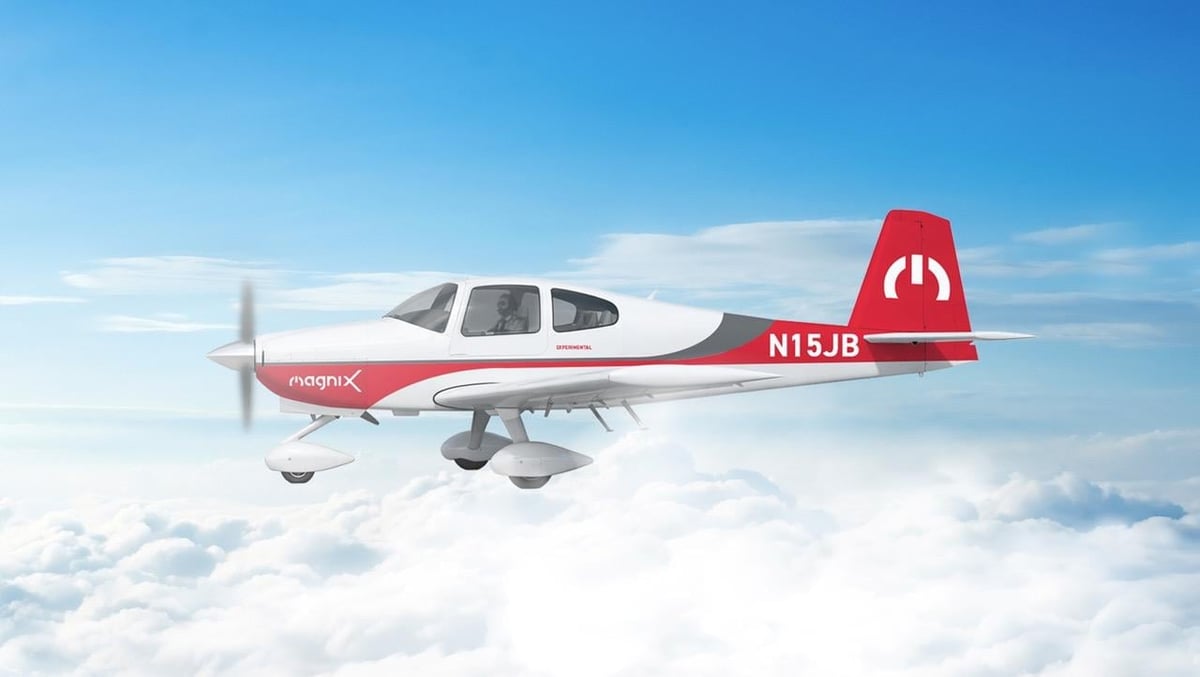
MagniX Launches MagniAIR Electric Engine for General Aviation | AIN
Air-cooled MagniAIR poised to benefit from MOSAIC rule

Aviation International News (www.ainonline.com)
-
This is the latest info I have found about the Magni650 - published today. But nothing about shipping them to Vancouver…
MagniX Launches MagniAIR Electric Engine for General Aviation | AIN
Air-cooled MagniAIR poised to benefit from MOSAIC rule
Aviation International News (www.ainonline.com)
@Amgine looks like a very small motor in comparison to the 650 being used by HA
-
Russia built rather a number of models studying ground effect planes. They are now producing them commercially to replace ferries.
All of the modern ones I have seen photos of have extremely short wings.
-
the engineering article about the motors is super in depth, some of it way over my head, but they also compare the development of EV cars to planes and I get this... at least now... because it didn't occur to me:
Regeneration is great for cars!
Regeneration is a BIG NO for airplanes! Because if you glide and the propeller to regenerate power, you fall out of the sky. so ya, none of that!
"Critically, one area the company worked hard on reducing was regeneration. At no point during flight, as well as descent, can the plane simply carry on under its own momentum while air drives the propellers to generate current. That would create a large amount of drag, and the plane would start to fall rapidly.
“Maybe a glider or UAV could do that, but not a passenger aircraft,” Armesmith says. “There are rules against it in aerospace, so we have to actively stop regeneration from being possible, it’s a fault we have to arrest,” Armesmith says.
“So, if we’ve either lost power or had to turn the motor off for any reason, the propeller needs to be able to windmill freely. We can’t have any electromagnetic resistance to the propeller free-turning owing to regeneration back into the DC bus.”
ya... glide good! fall bad! lol
I am very glad these very smart people are making it happen and a local company is right in there!!
magniX magni350/650 EPUs: 700kW Electric Aircraft Propulsion
magniX magni350 (350kW, 128kg) and magni650 (700kW, 206kg) oil-cooled EPUs with magniDrive 100 inverters power Eviation Alice, Universal
E-Mobility Engineering (www.emobility-engineering.com)
#BC #AirTravel #ClimateAction #ClimateChange #EndFossilFuels
@chris Interesting article. Aircraft operation is quite different than cars indeed!
The main challenges for fully electric flight are power density (i.e. batteries) and safety of high voltage systems. With current battery technologies, fully electric flight will remain limited to small, short range aircraft.
You might be interested to know there is other interesting technology development work towards electric flight being done in Canada:
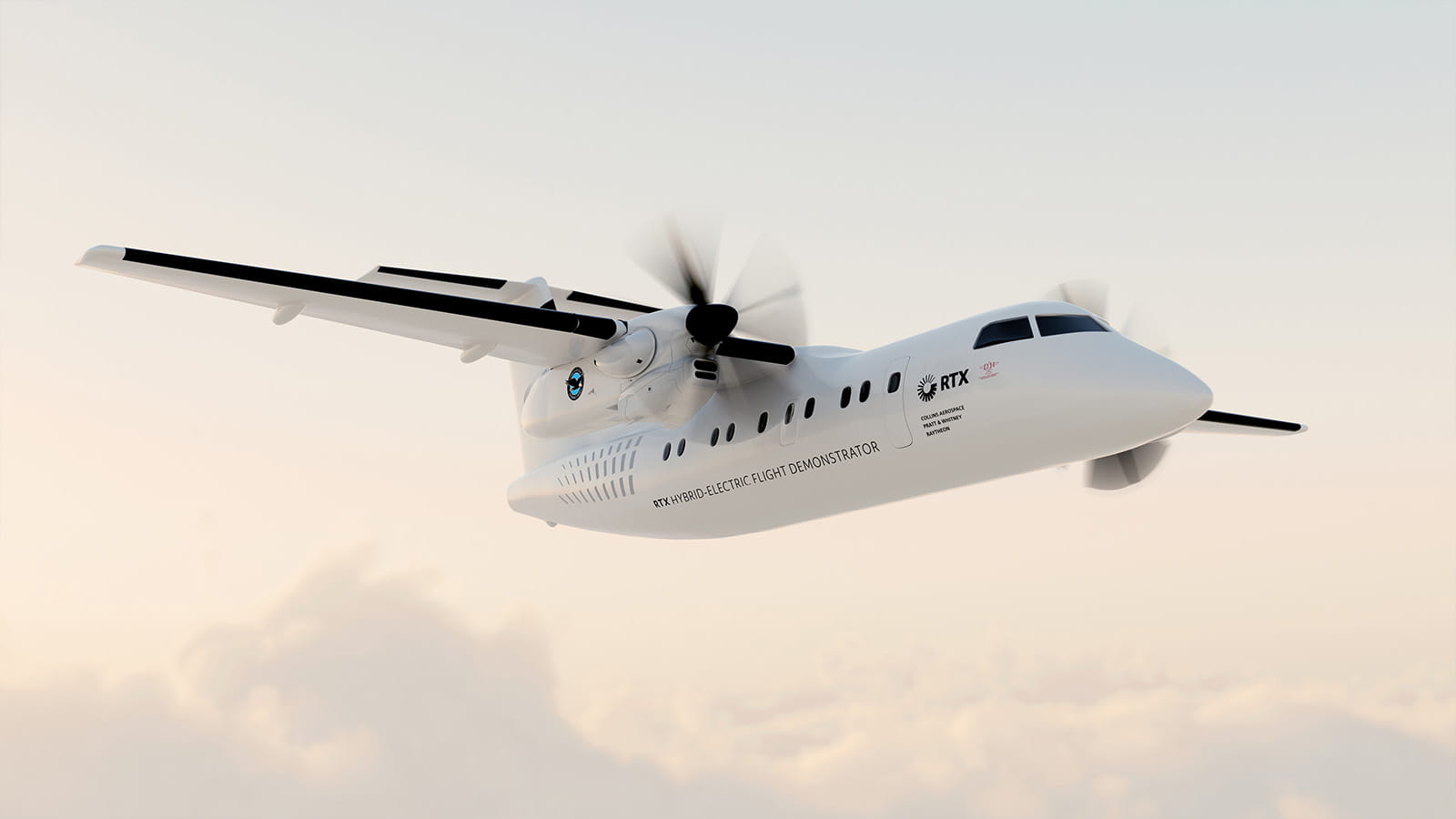
RTX’s hybrid-electric plane is one step closer to the sky
In a control room nearby, about a dozen people – some of whom had worked on the system for years – gathered and watched. With the click of a mouse, the power began flowing to their creation. That creation was an early version of the RTX Hybrid-Electric Flight Demonstrator’s experimental propulsion system for a regional aircraft. It will pair a thermal engine with an electric motor – and, the team hopes, tap into a new era of fuel efficiency for aviation. The project is supported by the Canadian federal government and provincial government of Quebec along with a range of partners across industry and academia. It also reflects RTX’s company-wide approach to innovation; it combines an advanced thermal engine from Pratt & Whitney Canada, a 1-megawatt electric motor from Collins Aerospace, and a 200-kilowatt-hour battery system from the startup H55, backed in part by RTX Ventures, the company’s venture capital arm. The goal of the project is to show a 30% improvement in fuel efficiency compared to today’s most advanced regional turboprops. The team also hopes the project will show what’s possible in designing future aircraft. “Pratt & Whitney is the quintessential thermal engine maker, and Collins Aerospace is the quintessential aircraft system supplier on the planet,” said David Venditti, Pratt & Whitney’s program manager for the demonstrator. “There’s no other place really in the world where we have all of those experts and resources coming to bear and developing a technology like this.”

(www.rtx.com)
-
Relevant to today's hand-wringing about jet fuel costs:
I was trolling around looking for an update on Harbour Air's eBeaver project (electric conversion for their DHC-2 "Beaver" commercial/passenger fleet) and the latest I have found and most comprehensive on the state of development is here.
Looks like they're continuing to invest and progress. They first flew in 2019 but the pandemic made a big dent but the regulatory certification sounds like it has been difficult and the parts (motor and battery) have had to evolve, but they are still working on it and now are converting a 2nd plane with upgraded specs and are targeting 2027 for commercial readiness!
#BC #AirTravel #ClimateAction #ClimateChange #EndFossilFuels
@chris The last update I saw was from late 2024 (youtube).
Good interview with the project manager and a pilot. The interesting detail to me was that they expected the operating cost to be similar to the turbojet planes, because the have to retire the batteries after 2000-3000 cycles. However, that cost comparison was conservative and did not include the residual value of the batteries, or the current cost of fuel.
Also, seems that the regulatory challenges are almost as difficult as the technical ones.
- YouTube
Auf YouTube findest du die angesagtesten Videos und Tracks. Außerdem kannst du eigene Inhalte hochladen und mit Freunden oder gleich der ganzen Welt teilen.

(www.youtube.com)
-
R relay@relay.mycrowd.ca shared this topic