Skip to content
  • Categories
  • Recent
  • Tags
  • Popular
  • World
  • Users
  • Groups
Skins
  • Light
  • Brite
  • Cerulean
  • Cosmo
  • Flatly
  • Journal
  • Litera
  • Lumen
  • Lux
  • Materia
  • Minty
  • Morph
  • Pulse
  • Sandstone
  • Simplex
  • Sketchy
  • Spacelab
  • United
  • Yeti
  • Zephyr
  • Dark
  • Cyborg
  • Darkly
  • Quartz
  • Slate
  • Solar
  • Superhero
  • Vapor

  • Default (Cyborg)
  • No Skin
Collapse
Brand Logo

CIRCLE WITH A DOT

  1. Home
  2. Uncategorized
  3. Happy π Day!

Happy π Day!

Scheduled Pinned Locked Moved Uncategorized
otdbooksmathematicsday
14 Posts 7 Posters 0 Views
  • Oldest to Newest
  • Newest to Oldest
  • Most Votes
Reply
  • Reply as topic
Log in to reply
This topic has been deleted. Only users with topic management privileges can see it.
  • gutenberg_org@mastodon.socialG gutenberg_org@mastodon.social

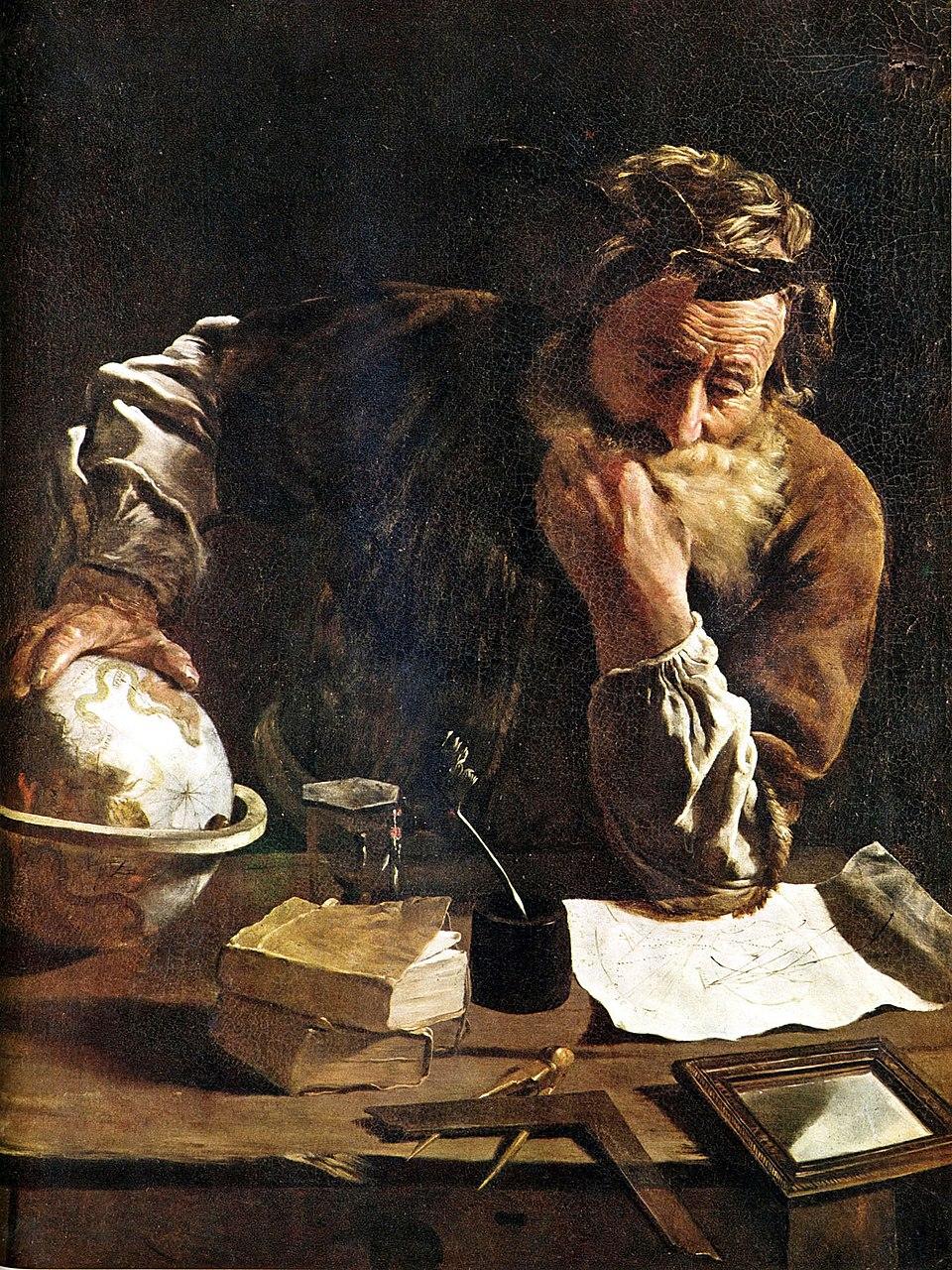
    Happy π Day! And Albert Einstein was born #OTD 147 years ago!

    Link Preview Image
    Pi - Wikipedia

    favicon

    (en.wikipedia.org)

    Isaac Newton used infinite series to compute π to 15 digits, later writing "I am ashamed to tell you to how many figures I carried these computations".

    Link Preview Image
    Pi - Wikipedia

    favicon

    (en.wikipedia.org)

    "I am enough of an artist to draw freely upon my imagination. Imagination is more important than knowledge. Knowledge is limited. Imagination encircles the world."

    Einstein at PG:
    https://www.gutenberg.org/ebooks/author/1630

    #books #mathematicsDay

    Link Preview ImageLink Preview ImageLink Preview Image
    M This user is from outside of this forum
    M This user is from outside of this forum
    muddle@infosec.exchange
    wrote last edited by
    #5

    @gutenberg_org Hang on, are we talking about Taylor or McLauren series here? Just curious about what the state of the art was at the time.

    gutenberg_org@mastodon.socialG 2 Replies Last reply
    0
    • capnthommo@c.imC capnthommo@c.im

      @gutenberg_org sorry. Pi day in this country is not until 31st of April. April having only 30 days. So of course piday will not happen.

      gnarf@hachyderm.ioG This user is from outside of this forum
      gnarf@hachyderm.ioG This user is from outside of this forum
      gnarf@hachyderm.io
      wrote last edited by
      #6

      @capnthommo @gutenberg_org I think we're still allowed to have maths-based fun even if the date thing doesn't make much sense to us 🙂

      gutenberg_org@mastodon.socialG 1 Reply Last reply
      0
      • gutenberg_org@mastodon.socialG gutenberg_org@mastodon.social

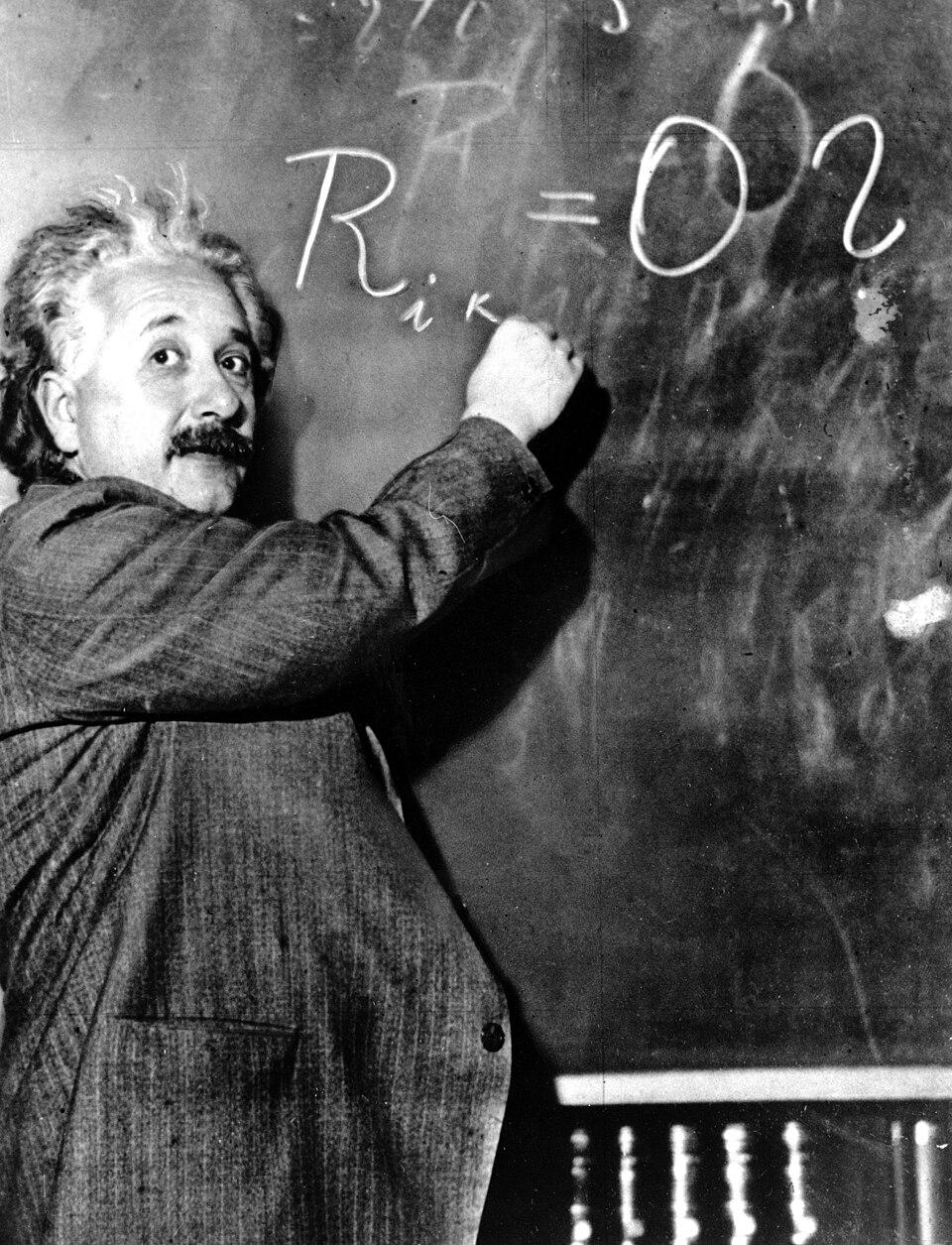
        Happy π Day! And Albert Einstein was born #OTD 147 years ago!

        Link Preview Image
        Pi - Wikipedia

        favicon

        (en.wikipedia.org)

        Isaac Newton used infinite series to compute π to 15 digits, later writing "I am ashamed to tell you to how many figures I carried these computations".

        Link Preview Image
        Pi - Wikipedia

        favicon

        (en.wikipedia.org)

        "I am enough of an artist to draw freely upon my imagination. Imagination is more important than knowledge. Knowledge is limited. Imagination encircles the world."

        Einstein at PG:
        https://www.gutenberg.org/ebooks/author/1630
        #books #mathematicsDay

        Link Preview ImageLink Preview ImageLink Preview Image
        bruce@darkmoon.socialB This user is from outside of this forum
        bruce@darkmoon.socialB This user is from outside of this forum
        bruce@darkmoon.social
        wrote last edited by
        #7

        @gutenberg_org

        And now we take pride in how far we can calculate pi.

        1 Reply Last reply
        0
        • M muddle@infosec.exchange

          @gutenberg_org Hang on, are we talking about Taylor or McLauren series here? Just curious about what the state of the art was at the time.

          gutenberg_org@mastodon.socialG This user is from outside of this forum
          gutenberg_org@mastodon.socialG This user is from outside of this forum
          gutenberg_org@mastodon.social
          wrote last edited by
          #8

          @muddle we need to access this book to get a proper answer https://books.google.com/books/about/Pi_Unleashed.html?hl=pt-PT&id=QwwcmweJCDQC

          1 Reply Last reply
          0
          • gutenberg_org@mastodon.socialG gutenberg_org@mastodon.social

            Happy π Day! And Albert Einstein was born #OTD 147 years ago!

            Link Preview Image
            Pi - Wikipedia

            favicon

            (en.wikipedia.org)

            Isaac Newton used infinite series to compute π to 15 digits, later writing "I am ashamed to tell you to how many figures I carried these computations".

            Link Preview Image
            Pi - Wikipedia

            favicon

            (en.wikipedia.org)

            "I am enough of an artist to draw freely upon my imagination. Imagination is more important than knowledge. Knowledge is limited. Imagination encircles the world."

            Einstein at PG:
            https://www.gutenberg.org/ebooks/author/1630

            #books #mathematicsDay

            Link Preview ImageLink Preview ImageLink Preview Image
            drdusty@mastodon.socialD This user is from outside of this forum
            drdusty@mastodon.socialD This user is from outside of this forum
            drdusty@mastodon.social
            wrote last edited by
            #9

            @gutenberg_org ... reposted 3.14 times 🙂

            gutenberg_org@mastodon.socialG 1 Reply Last reply
            0
            • gnarf@hachyderm.ioG gnarf@hachyderm.io

              @capnthommo @gutenberg_org I think we're still allowed to have maths-based fun even if the date thing doesn't make much sense to us 🙂

              gutenberg_org@mastodon.socialG This user is from outside of this forum
              gutenberg_org@mastodon.socialG This user is from outside of this forum
              gutenberg_org@mastodon.social
              wrote last edited by
              #10

              @gnarf @capnthommo Agreed!!

              1 Reply Last reply
              0
              • drdusty@mastodon.socialD drdusty@mastodon.social

                @gutenberg_org ... reposted 3.14 times 🙂

                gutenberg_org@mastodon.socialG This user is from outside of this forum
                gutenberg_org@mastodon.socialG This user is from outside of this forum
                gutenberg_org@mastodon.social
                wrote last edited by
                #11

                @drdusty Glad you managed it!

                1 Reply Last reply
                0
                • M muddle@infosec.exchange

                  @gutenberg_org Hang on, are we talking about Taylor or McLauren series here? Just curious about what the state of the art was at the time.

                  gutenberg_org@mastodon.socialG This user is from outside of this forum
                  gutenberg_org@mastodon.socialG This user is from outside of this forum
                  gutenberg_org@mastodon.social
                  wrote last edited by
                  #12

                  @muddle Should be Taylor series as mentioned here (as far as I remember): https://www.gutenberg.org/ebooks/76404

                  M 1 Reply Last reply
                  0
                  • gutenberg_org@mastodon.socialG gutenberg_org@mastodon.social

                    @muddle Should be Taylor series as mentioned here (as far as I remember): https://www.gutenberg.org/ebooks/76404

                    M This user is from outside of this forum
                    M This user is from outside of this forum
                    muddle@infosec.exchange
                    wrote last edited by
                    #13

                    @gutenberg_org Thanks! I somehow thought that the Taylor series was somewhat later than Newton's work on calculus but I guess that they were contemporaries and Newton would have been aware of Taylor's work (as well as earlier formulae for pi).

                    This could become a bit of a rabbit hole, but I'm reminded of Fabrice Bellard's more recent calculations (probably since surpassed?) and wondering what new techniques he used...

                    M 1 Reply Last reply
                    1
                    0
                    • R relay@relay.infosec.exchange shared this topic
                    • M muddle@infosec.exchange

                      @gutenberg_org Thanks! I somehow thought that the Taylor series was somewhat later than Newton's work on calculus but I guess that they were contemporaries and Newton would have been aware of Taylor's work (as well as earlier formulae for pi).

                      This could become a bit of a rabbit hole, but I'm reminded of Fabrice Bellard's more recent calculations (probably since surpassed?) and wondering what new techniques he used...

                      M This user is from outside of this forum
                      M This user is from outside of this forum
                      muddle@infosec.exchange
                      wrote last edited by
                      #14

                      @gutenberg_org answered here: https://www.bellard.org/pi/

                      and here: https://www.bellard.org/pi/pi2700e9/faq.html

                      1 Reply Last reply
                      1
                      0
                      Reply
                      • Reply as topic
                      Log in to reply
                      • Oldest to Newest
                      • Newest to Oldest
                      • Most Votes


                      • Login

                      • Login or register to search.
                      • First post
                        Last post
                      0
                      • Categories
                      • Recent
                      • Tags
                      • Popular
                      • World
                      • Users
                      • Groups