Cool History Fact of the night
-
Cool History Fact of the night
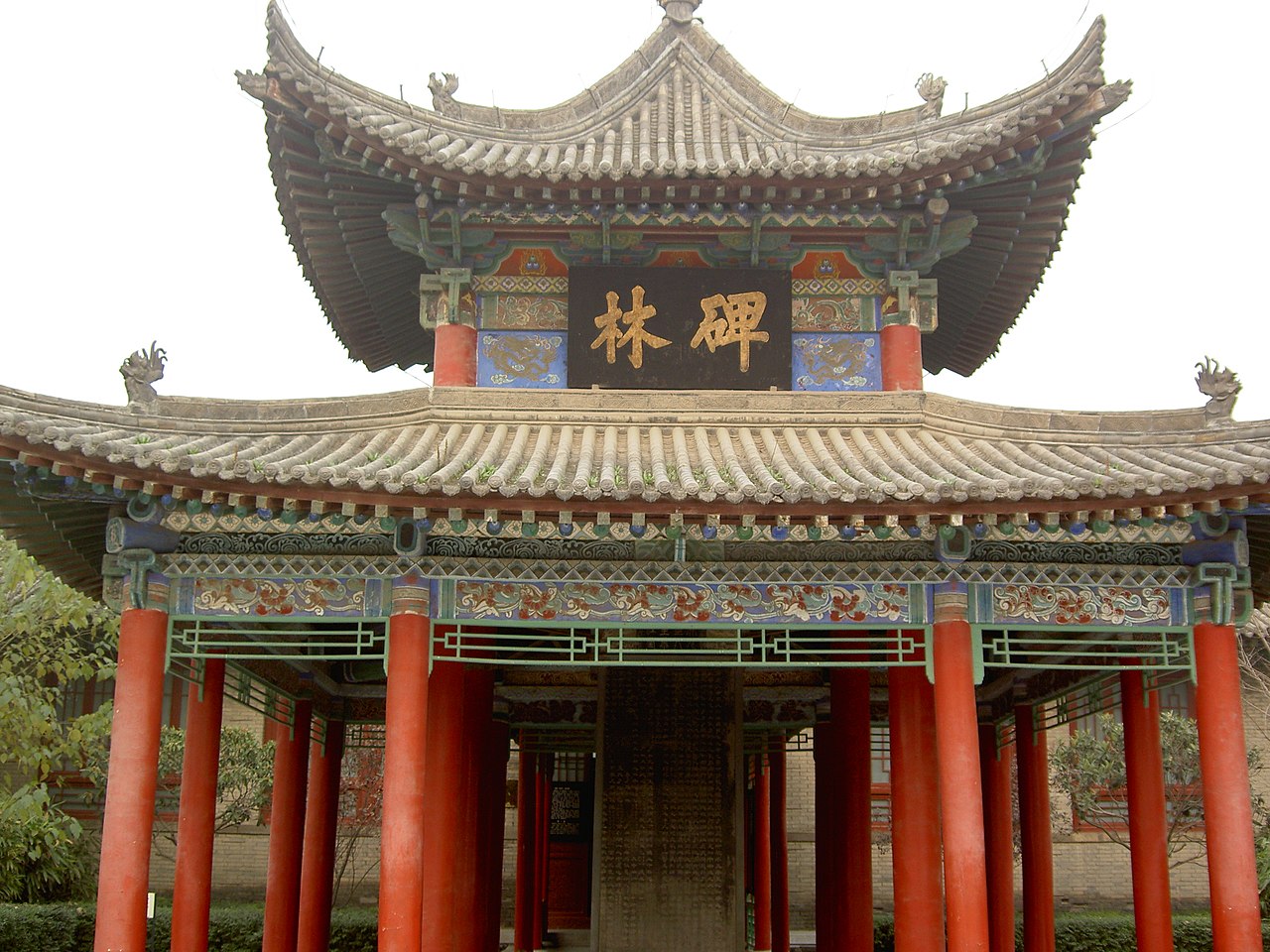
Before woodblock printing (which was extensively used in China well before the west), there was a very clever, effective way to mass-reproduce the most important texts.
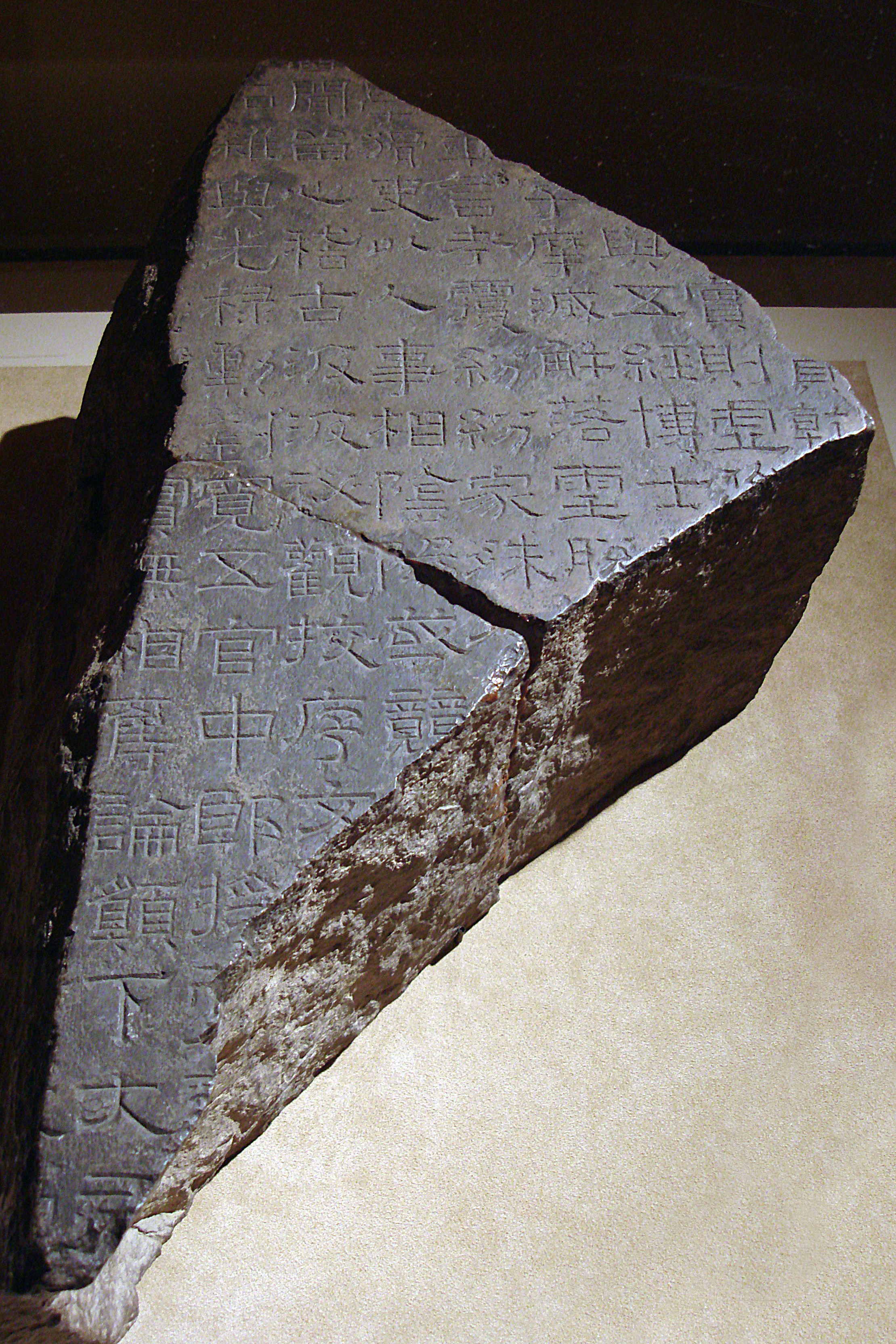
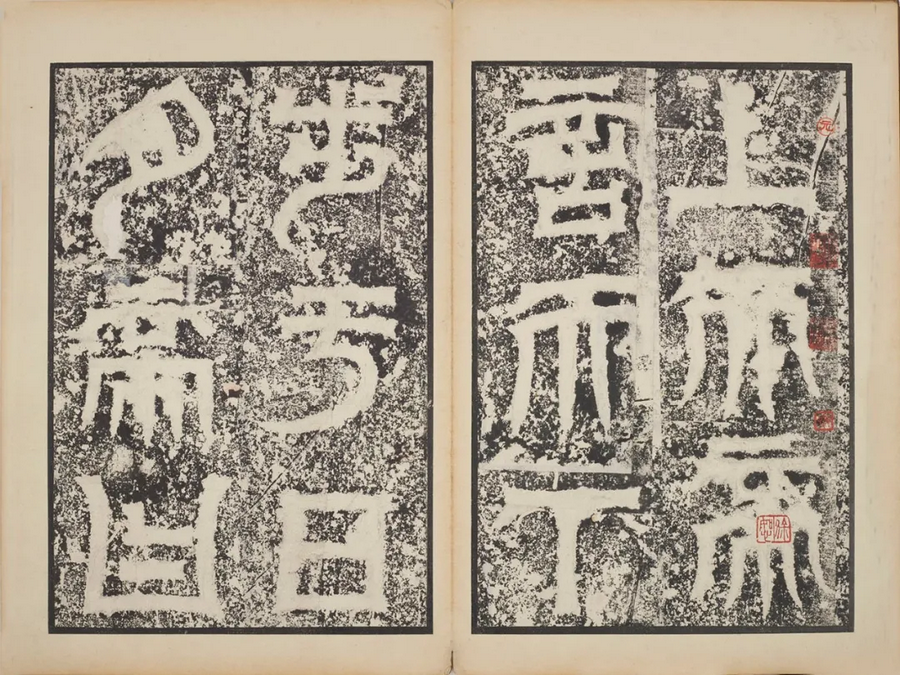
A few different times in imperial China, stone tablets of the most important books were commissioned. Anyone could walk up and look at them, but more importantly: anyone could lay a wet piece of paper over them and then gently rub ink over the paper, which would create a copy of white text on a black background.(And unlike printing, nothing needs to be done backwards.)
And if you were a famous enough calligrapher, you'd be asked to write onto a stone so someone else could chisel out your handwriting exactly, and then copies could be mass-reproduced as teaching examples.
(and I'm fascinated by how the stone fragment here is 1800 years old but the writing style is already extremely legible to me. It still uses the X-style 五 but is otherwise very Normal)
#classicalchinese #typography #printing #handwriting
@0xabad1dea never heard about this practice thanks! Do you have few sources or famous examples to share please?
-
@0xabad1dea never heard about this practice thanks! Do you have few sources or famous examples to share please?
image search "Chinese rubbings" for many many examples of the paper transfer
-
Cool History Fact of the night
Before woodblock printing (which was extensively used in China well before the west), there was a very clever, effective way to mass-reproduce the most important texts.
A few different times in imperial China, stone tablets of the most important books were commissioned. Anyone could walk up and look at them, but more importantly: anyone could lay a wet piece of paper over them and then gently rub ink over the paper, which would create a copy of white text on a black background.(And unlike printing, nothing needs to be done backwards.)
And if you were a famous enough calligrapher, you'd be asked to write onto a stone so someone else could chisel out your handwriting exactly, and then copies could be mass-reproduced as teaching examples.
(and I'm fascinated by how the stone fragment here is 1800 years old but the writing style is already extremely legible to me. It still uses the X-style 五 but is otherwise very Normal)
#classicalchinese #typography #printing #handwriting
@0xabad1dea there is the exact same thing in one piece. If you are not familiar, one of the plot device are poneglyph, indestructible stone cube with character written on them. Some when put together make a map so the pirates fight each other over it. But as they are big stones, it's easier to make paper copy than stealing one
-
Cool History Fact of the night
Before woodblock printing (which was extensively used in China well before the west), there was a very clever, effective way to mass-reproduce the most important texts.
A few different times in imperial China, stone tablets of the most important books were commissioned. Anyone could walk up and look at them, but more importantly: anyone could lay a wet piece of paper over them and then gently rub ink over the paper, which would create a copy of white text on a black background.(And unlike printing, nothing needs to be done backwards.)
And if you were a famous enough calligrapher, you'd be asked to write onto a stone so someone else could chisel out your handwriting exactly, and then copies could be mass-reproduced as teaching examples.
(and I'm fascinated by how the stone fragment here is 1800 years old but the writing style is already extremely legible to me. It still uses the X-style 五 but is otherwise very Normal)
#classicalchinese #typography #printing #handwriting
@0xabad1dea I remember doing grave rubbings as a kid, but I didn't realise something similar had a practical use
-
image search "Chinese rubbings" for many many examples of the paper transfer
@0xabad1dea thanks! do we know the purpose of the texts concerned by this practice? Was it a “Mr nobody” thing?
-
@0xabad1dea thanks! do we know the purpose of the texts concerned by this practice? Was it a “Mr nobody” thing?
@simon_lepuissant I don’t know what “Mr. Nobody” means in this context but we’re talking, like, the top five most famous and important books in the ancient Chinese cultural sphere, such as the Analects of Confucius. Calligraphy exemplars could be anything.
-
@simon_lepuissant I don’t know what “Mr. Nobody” means in this context but we’re talking, like, the top five most famous and important books in the ancient Chinese cultural sphere, such as the Analects of Confucius. Calligraphy exemplars could be anything.
@0xabad1dea i said mr nobody referring to the people coming to duplicate the text. Do we know if it was a kind of « take away » printed literature or smthg. Sorry if I’m unclear.
-
Cool History Fact of the night
Before woodblock printing (which was extensively used in China well before the west), there was a very clever, effective way to mass-reproduce the most important texts.
A few different times in imperial China, stone tablets of the most important books were commissioned. Anyone could walk up and look at them, but more importantly: anyone could lay a wet piece of paper over them and then gently rub ink over the paper, which would create a copy of white text on a black background.(And unlike printing, nothing needs to be done backwards.)
And if you were a famous enough calligrapher, you'd be asked to write onto a stone so someone else could chisel out your handwriting exactly, and then copies could be mass-reproduced as teaching examples.
(and I'm fascinated by how the stone fragment here is 1800 years old but the writing style is already extremely legible to me. It still uses the X-style 五 but is otherwise very Normal)
#classicalchinese #typography #printing #handwriting
@0xabad1dea
I didn't know about X-style 五
is that why the zhuyin for the character is ㄨ?
also they have tons of old manuscripts in 故宮博物院 and i thought they were really cool to see -
Cool History Fact of the night
Before woodblock printing (which was extensively used in China well before the west), there was a very clever, effective way to mass-reproduce the most important texts.
A few different times in imperial China, stone tablets of the most important books were commissioned. Anyone could walk up and look at them, but more importantly: anyone could lay a wet piece of paper over them and then gently rub ink over the paper, which would create a copy of white text on a black background.(And unlike printing, nothing needs to be done backwards.)
And if you were a famous enough calligrapher, you'd be asked to write onto a stone so someone else could chisel out your handwriting exactly, and then copies could be mass-reproduced as teaching examples.
(and I'm fascinated by how the stone fragment here is 1800 years old but the writing style is already extremely legible to me. It still uses the X-style 五 but is otherwise very Normal)
#classicalchinese #typography #printing #handwriting
It’s very interesting.. I’d be curious at this point how accessible paper and even ink was to the population. It still required some minimal wealth.
-
It’s very interesting.. I’d be curious at this point how accessible paper and even ink was to the population. It still required some minimal wealth.
@GhostOnTheHalfShell aiui paper was much cheaper in China than in Europe. And ink was (and is) just charcoal+glue. You can get a traditional handmade ink stick for like $2 and the videos of their manufacture are very satisfying, it looks like black taffy candy
-
@GhostOnTheHalfShell aiui paper was much cheaper in China than in Europe. And ink was (and is) just charcoal+glue. You can get a traditional handmade ink stick for like $2 and the videos of their manufacture are very satisfying, it looks like black taffy candy
I’m thinking historically.
-
R relay@relay.an.exchange shared this topic