So, "journalism" about COVID has mostly been extremely poor since 2022, when Joe Biden and the Democrats decided that 300,000 people dying in 2 months wasn't newsworthy and their media allies agreed.
-
RE: https://scicomm.xyz/@HelenBranswell/116476780623326896
So, "journalism" about COVID has mostly been extremely poor since 2022, when Joe Biden and the Democrats decided that 300,000 people dying in 2 months wasn't newsworthy and their media allies agreed.
But what's really dangerous about it is that it presents as "reasonable", and even features "experts" - the same "experts" that whole-cloth invented things like "immunity debt" (lol lmao) and "hybrid immunity" (
 ) so they wouldn't have to look too closely.
Imma dismantle this article for fun.
1/
-
RE: https://scicomm.xyz/@HelenBranswell/116476780623326896
So, "journalism" about COVID has mostly been extremely poor since 2022, when Joe Biden and the Democrats decided that 300,000 people dying in 2 months wasn't newsworthy and their media allies agreed.
But what's really dangerous about it is that it presents as "reasonable", and even features "experts" - the same "experts" that whole-cloth invented things like "immunity debt" (lol lmao) and "hybrid immunity" (
) so they wouldn't have to look too closely.Imma dismantle this article for fun.
1/
First, the cited WHO numbers on excess deaths were from 2022. These numbers have been revised frequently, just for that period.
COVID exposed inequities and inaccuracies in how governments record number and cause of death. The data around the pandemic's death toll is notoriously incomplete and subject to bias, but is almost always (as in the case of this article) presented as confirmed.
Also, reporting of COVID-related deaths was dramatically curtailed for political reasons in 2022, on.
2/
-
First, the cited WHO numbers on excess deaths were from 2022. These numbers have been revised frequently, just for that period.
COVID exposed inequities and inaccuracies in how governments record number and cause of death. The data around the pandemic's death toll is notoriously incomplete and subject to bias, but is almost always (as in the case of this article) presented as confirmed.
Also, reporting of COVID-related deaths was dramatically curtailed for political reasons in 2022, on.
2/
“SARS2 evades the immune system” does not automatically resolve to “COVID isn’t the risk it once was”.
A lack of symptoms during infection was, prior to COVID, a sign of *immunodeficiency*. Nobody can explain why now it’s a sign of “mild illness”. It’s *well known* that “no symptoms” =/= “no damage to body” - there are dozens of infections that are notorious for not having symptoms but still causing damage that is often fatal later on: HIV, for example.
3/
-
“SARS2 evades the immune system” does not automatically resolve to “COVID isn’t the risk it once was”.
A lack of symptoms during infection was, prior to COVID, a sign of *immunodeficiency*. Nobody can explain why now it’s a sign of “mild illness”. It’s *well known* that “no symptoms” =/= “no damage to body” - there are dozens of infections that are notorious for not having symptoms but still causing damage that is often fatal later on: HIV, for example.
3/
We also have evidence that asymptomatic SARS2 infection still causes PASC:
(from 2022, but supported by contemporary studies)
Long-Term Consequences of Asymptomatic SARS-CoV-2 Infection: A Systematic Review and Meta-Analysis
4/
-
We also have evidence that asymptomatic SARS2 infection still causes PASC:
(from 2022, but supported by contemporary studies)
Long-Term Consequences of Asymptomatic SARS-CoV-2 Infection: A Systematic Review and Meta-Analysis
4/
Asymptomatic disease can cause significant damage:
The Danger You Can’t Feel: Asymptomatic Infections Are Anything But Harmless
https://medium.com/microbial-instincts/the-danger-you-cant-feel-asymptomatic-infections-are-anything-but-harmless-2dec6deca233(If anyone in the COVID competent hive mind has non-paywalled articles on this I didn't have the time to sift through the Google shitsearch to find the ones I've seen

 ️ )
️ )5/
-
Asymptomatic disease can cause significant damage:
The Danger You Can’t Feel: Asymptomatic Infections Are Anything But Harmless
https://medium.com/microbial-instincts/the-danger-you-cant-feel-asymptomatic-infections-are-anything-but-harmless-2dec6deca233(If anyone in the COVID competent hive mind has non-paywalled articles on this I didn't have the time to sift through the Google shitsearch to find the ones I've seen
️ )5/
Any expert that says people don't need to be vaccinated for SARS2 is an anti-vaxxer, and should be treated as such. But this article treats them as perfectly reasonable people; weird how vaccine uptake is down *across the board*.
️ The article also presents things like "the public [has] decided...COVID boosters are not a priority" and corporations deciding vaccines are not profitable as dispositive evidence that they are not needed, which is...not great critical thinking or reporting?
6/
-
Any expert that says people don't need to be vaccinated for SARS2 is an anti-vaxxer, and should be treated as such. But this article treats them as perfectly reasonable people; weird how vaccine uptake is down *across the board*.
️ The article also presents things like "the public [has] decided...COVID boosters are not a priority" and corporations deciding vaccines are not profitable as dispositive evidence that they are not needed, which is...not great critical thinking or reporting?
6/
It's notable that none of the "experts" mention Long COVID (or the reporter doesn't incl their mentions) which is quickly becoming one of the most devastating post-acute conditions in human history, rivaling even the impact of 18th and 19th century syphilis and 20th century H1N1 “Spanish Flu” on population health.
The one, off-hand mention of Long COIVD dismisses it, saying "incidence has declined". But the Al-Aly study cited puts forth multiple reasons that could explain this result...
7/
-
It's notable that none of the "experts" mention Long COVID (or the reporter doesn't incl their mentions) which is quickly becoming one of the most devastating post-acute conditions in human history, rivaling even the impact of 18th and 19th century syphilis and 20th century H1N1 “Spanish Flu” on population health.
The one, off-hand mention of Long COIVD dismisses it, saying "incidence has declined". But the Al-Aly study cited puts forth multiple reasons that could explain this result...
7/
...that aren't vaccination or immune-based, including shifting LC symptoms due to continued SARS2 evolution and racial and class bias in the data used (Veterans Affairs medical data). Not vaccination, as the article implies. In addition, the data stops in 2023 and acknowledges other studies that show *repeated infections* increase LC risk; infections that have continued apace since the publication of the study.
8/
-
...that aren't vaccination or immune-based, including shifting LC symptoms due to continued SARS2 evolution and racial and class bias in the data used (Veterans Affairs medical data). Not vaccination, as the article implies. In addition, the data stops in 2023 and acknowledges other studies that show *repeated infections* increase LC risk; infections that have continued apace since the publication of the study.
8/
I don't have time to do much more, but I'll leave this with a list of reasons (not complete, btw) that you should ignore this article and its minimizing, blacklist the "experts" contained therein, and treat Ms Branswell's reporting with a hefty dose of salt from here on out.
On COVID’s immune effects and the quiet retreat of "expert's" previous declarations of cause and effect re: obvious immune dysfunction at a population level:

Why scientists are rethinking the immune effects of SARS-CoV-2
“Immunity debt,” a theory to explain the global surge in non-covid infections since pandemic restrictions were lifted, is increasingly being challenged by emerging evidence. Nick Tsergas reports Mycoplasma pneumoniae is a bacterial infection not known to cause widespread hospital admissions. “I can count on my two hands the number of times I’d ever seen mycoplasma pneumoniae before 2023,” says Samira Jeimy, clinical immunologist at the University of Western Ontario. “All of a sudden I feel like everybody has it.”1 Over the past three years similar reports have circulated of rising bacterial infections, flare-ups of old viruses becoming more common, and children landing in hospital with diseases not usually seen in young, healthy people. One explanation offered by public health leaders has been “immunity debt”2—the idea that precautions taken in the covid pandemic suppressed routine exposures to circulating pathogens, leaving people more vulnerable to them when restrictions were lifted. The theory landed in the public consciousness at the right moment. A simple idea that sounded like science, it soothed a public seeking answers just as the world was returning to a semblance of normality. And it served a policy function, allowing governments to focus on economic recovery. But its explanatory power has faded as the number of non-covid infections has kept rising each year. A 2024 analysis by the US Centers for Disease Control and Prevention3 found that invasive group A strep infections saw their most dramatic year-on-year increase from 2021 to 2022, well after most precautions had been lifted in the US. Rates have been abnormally high since then, raising questions about what might be behind the trend. A growing number of scientists believe that the SARS-CoV-2 virus may instead be subtly altering our immune systems. If correct, their hypothesis will change how we understand everything …
The BMJ (www.bmj.com)
9/
-
I don't have time to do much more, but I'll leave this with a list of reasons (not complete, btw) that you should ignore this article and its minimizing, blacklist the "experts" contained therein, and treat Ms Branswell's reporting with a hefty dose of salt from here on out.
On COVID’s immune effects and the quiet retreat of "expert's" previous declarations of cause and effect re: obvious immune dysfunction at a population level:
Why scientists are rethinking the immune effects of SARS-CoV-2
“Immunity debt,” a theory to explain the global surge in non-covid infections since pandemic restrictions were lifted, is increasingly being challenged by emerging evidence. Nick Tsergas reports Mycoplasma pneumoniae is a bacterial infection not known to cause widespread hospital admissions. “I can count on my two hands the number of times I’d ever seen mycoplasma pneumoniae before 2023,” says Samira Jeimy, clinical immunologist at the University of Western Ontario. “All of a sudden I feel like everybody has it.”1 Over the past three years similar reports have circulated of rising bacterial infections, flare-ups of old viruses becoming more common, and children landing in hospital with diseases not usually seen in young, healthy people. One explanation offered by public health leaders has been “immunity debt”2—the idea that precautions taken in the covid pandemic suppressed routine exposures to circulating pathogens, leaving people more vulnerable to them when restrictions were lifted. The theory landed in the public consciousness at the right moment. A simple idea that sounded like science, it soothed a public seeking answers just as the world was returning to a semblance of normality. And it served a policy function, allowing governments to focus on economic recovery. But its explanatory power has faded as the number of non-covid infections has kept rising each year. A 2024 analysis by the US Centers for Disease Control and Prevention3 found that invasive group A strep infections saw their most dramatic year-on-year increase from 2021 to 2022, well after most precautions had been lifted in the US. Rates have been abnormally high since then, raising questions about what might be behind the trend. A growing number of scientists believe that the SARS-CoV-2 virus may instead be subtly altering our immune systems. If correct, their hypothesis will change how we understand everything …
The BMJ (www.bmj.com)
9/
Long COVID in kids, or why you shouldn't let your children get COVID over and over again and should actually be camping out in School Board Members' yards with megaphones until they install reasonable anti-infection protocols like ventilation, filtration, and UV222:
10/
-
Long COVID in kids, or why you shouldn't let your children get COVID over and over again and should actually be camping out in School Board Members' yards with megaphones until they install reasonable anti-infection protocols like ventilation, filtration, and UV222:
10/
4.5% of infections result in ME/CFS symptoms, compared with 0.6% in controls.
ME/CFS is one of those chronic illnesses that, if you're not intimately aware of its impacts, you should look into.
You may find yourself suddenly isolating from COVID.
11/
-
4.5% of infections result in ME/CFS symptoms, compared with 0.6% in controls.
ME/CFS is one of those chronic illnesses that, if you're not intimately aware of its impacts, you should look into.
You may find yourself suddenly isolating from COVID.
11/
OR, maybe you want to not get COVID because you value your brain?
️ COVID infections result in significant cognitive and neurological sequelae that are *persistent*:
https://www.nature.com/articles/s41582-025-01056-z
/12
-
OR, maybe you want to not get COVID because you value your brain?
️ COVID infections result in significant cognitive and neurological sequelae that are *persistent*:
https://www.nature.com/articles/s41582-025-01056-z
/12
There's always the old standard that you don't want COVID because SARS2 is a *vascular* disease that causes long-term increased thrombosis, stroke, and heart disease risk
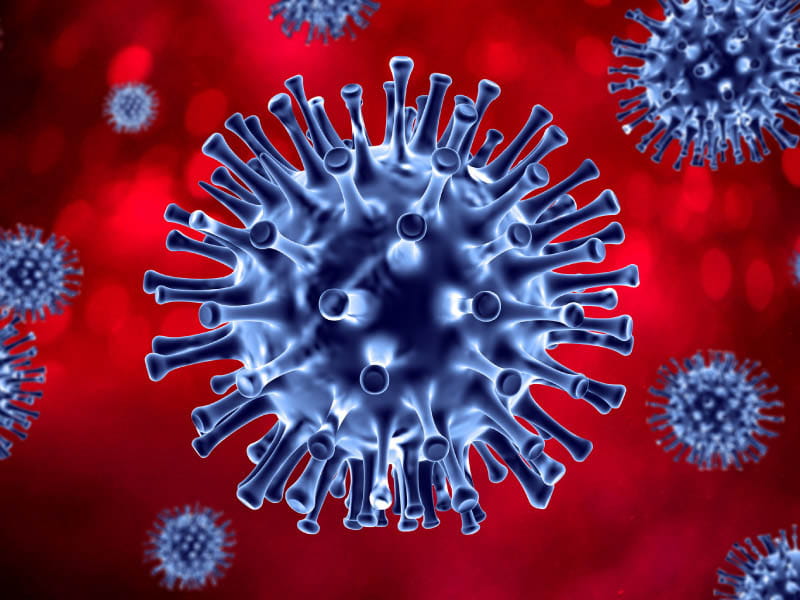
How the virus behind COVID-19 can harm your blood vessels and your heart
Researchers are zeroing in on the ways SARS-CoV-2 damages and persists inside blood vessels, raising the risk for heart attacks and strokes years after an initial infection.
www.heart.org (www.heart.org)
/13
-
OR, maybe you want to not get COVID because you value your brain?
️ COVID infections result in significant cognitive and neurological sequelae that are *persistent*:
https://www.nature.com/articles/s41582-025-01056-z
/12
@johnzajac I think between all the Covid reinfections and AI use, it shows that a lot of people don't value their brains.
-
There's always the old standard that you don't want COVID because SARS2 is a *vascular* disease that causes long-term increased thrombosis, stroke, and heart disease risk
How the virus behind COVID-19 can harm your blood vessels and your heart
Researchers are zeroing in on the ways SARS-CoV-2 damages and persists inside blood vessels, raising the risk for heart attacks and strokes years after an initial infection.
www.heart.org (www.heart.org)
/13
Also, if @HelenBranswell is interested, she can look at this article as a banger example of what truly great, well-cited SARS-CoV-2 reporting looks like:
/fin
-
@johnzajac I think between all the Covid reinfections and AI use, it shows that a lot of people don't value their brains.
Disambiguating "everyone has COVID brain damage" and "nobody cares about COVID brain damage" and "AI causes brain damage" is almost impossible, because very few people are interested in ongoing COVID infection impacts and there are very few controls left, esp in kids.
-
Also, if @HelenBranswell is interested, she can look at this article as a banger example of what truly great, well-cited SARS-CoV-2 reporting looks like:
/fin
Also, if you want great, actual info about COVID vaccine development that isn't based on silly notions of popularity or profit, check out @hildabast

Accelerating Development for Some NextGen Covid Vaxes (Update No 39) - Absolutely Maybe
Several next generation Covid vaccines are now advancing into mid- or late-stage trials. So this month, I have started a new section—a…

Absolutely Maybe (absolutelymaybe.plos.org)
-
“SARS2 evades the immune system” does not automatically resolve to “COVID isn’t the risk it once was”.
A lack of symptoms during infection was, prior to COVID, a sign of *immunodeficiency*. Nobody can explain why now it’s a sign of “mild illness”. It’s *well known* that “no symptoms” =/= “no damage to body” - there are dozens of infections that are notorious for not having symptoms but still causing damage that is often fatal later on: HIV, for example.
3/
@johnzajac "SARS2 evades the immune system" is the same shape of "it's endemic now" bullshit — a strongly negative outcome being reframed as something to be desired
-
@johnzajac "SARS2 evades the immune system" is the same shape of "it's endemic now" bullshit — a strongly negative outcome being reframed as something to be desired
Also, it not only evades the immune system it *badly damages* it, so

What exactly is the article/the experts trying to say, here?
-
Disambiguating "everyone has COVID brain damage" and "nobody cares about COVID brain damage" and "AI causes brain damage" is almost impossible, because very few people are interested in ongoing COVID infection impacts and there are very few controls left, esp in kids.
@johnzajac I do think that Covid brain fog has been a boon for the AI industry. I had brain fog ~15 years ago and I remember how hard it was to learn and problem solve, but also how I didn't realize there was a problem until I got out of it (untreated hypothyroidism). I could see how these tools would be enticing to some.