A progress report on my "Migrate from MacBook to Net
-
A progress report on my "Migrate from MacBook to Net?Open?BSD" mini-project.
Are we there yet? No. Were important lessons learned? Yes!
🧵
@nina_kali_nina Important question: do you feel more queer yet?
-
A-ha one: choosing a laptop based on what operating system you want to run on it is not wrong.
Reasoning: I got so used to Linux running on most, if not all, laptops that "oh, NetBSD doesn't support this hardware" made me feel feelings.
The feelings were familiar, because I've been there with Linux some ten+ years ago.
Reflecting on those feelings, I noticed that people generally have no issue with buying a specific subset of laptop models if they plan to run Mac OS, or specific make of phones if they intend to run Graphene OS and such. If this is fine, then picking laptop specs for NetBSD is a given. If anything, there are more devices that can run NetBSD than there are devices that can run Mac OS.
@nina_kali_nina I've never used it but isn't NetBSD the one with the slogan "of course it runs NetBSD"? I guess that dates from an era with a lot more diversity of processors and fewer cameras, power controllers, track pads, wireless cards that need drivers
-
A-ha one: choosing a laptop based on what operating system you want to run on it is not wrong.
Reasoning: I got so used to Linux running on most, if not all, laptops that "oh, NetBSD doesn't support this hardware" made me feel feelings.
The feelings were familiar, because I've been there with Linux some ten+ years ago.
Reflecting on those feelings, I noticed that people generally have no issue with buying a specific subset of laptop models if they plan to run Mac OS, or specific make of phones if they intend to run Graphene OS and such. If this is fine, then picking laptop specs for NetBSD is a given. If anything, there are more devices that can run NetBSD than there are devices that can run Mac OS.
@nina_kali_nina Hilarious tangent: apparently a Nintendo Wii can be made to run MacOSX.

-
A-ha one: choosing a laptop based on what operating system you want to run on it is not wrong.
Reasoning: I got so used to Linux running on most, if not all, laptops that "oh, NetBSD doesn't support this hardware" made me feel feelings.
The feelings were familiar, because I've been there with Linux some ten+ years ago.
Reflecting on those feelings, I noticed that people generally have no issue with buying a specific subset of laptop models if they plan to run Mac OS, or specific make of phones if they intend to run Graphene OS and such. If this is fine, then picking laptop specs for NetBSD is a given. If anything, there are more devices that can run NetBSD than there are devices that can run Mac OS.
A-ha two: it is important to see beyond the "project branding"
A few days ago I got really frustrated by hardware virtualisation crashing the guest OS while running under NetBSD. "Oh COME ON, the NetBSD project should've done a better job at implementing their hypervisor; I have no issues whatsoever with KVM under Linux on the same laptop", I thought at first.
And then I ended up on a homepage of nvmm, NetBSD's hypervisor. It reads:
> Six months ago, I told myself I would write a small hypervisor for an old x86 AMD CPU I had. Just to learn more about virtualization, and see how far I could go alone on my spare time.
So, yeah, it is provided by "The NetBSD project", but is mostly results of a work of a single person.
And this changes everything, it's not "yikes, such a buggy thing, this corporation could've done better", it's "wow this person is legendary, I sure can work around my own limitations to leverage the results of their work, lots of respect".
-
A-ha one: choosing a laptop based on what operating system you want to run on it is not wrong.
Reasoning: I got so used to Linux running on most, if not all, laptops that "oh, NetBSD doesn't support this hardware" made me feel feelings.
The feelings were familiar, because I've been there with Linux some ten+ years ago.
Reflecting on those feelings, I noticed that people generally have no issue with buying a specific subset of laptop models if they plan to run Mac OS, or specific make of phones if they intend to run Graphene OS and such. If this is fine, then picking laptop specs for NetBSD is a given. If anything, there are more devices that can run NetBSD than there are devices that can run Mac OS.
@nina_kali_nina I've done this my whole life out of habit, being raised is a non-Windows household (OS/2, BeOS, etc). Always hitting a hardware compatibility list was critical for survival 'back in the day'. I'm happy for having this skill and reflex for anything tech I've ever purchased.
It wasn't just laptops in our household but also things like dvd players. We'd have tape on the top of certain ones that listed the 'regions' of the discs they'd play.
-
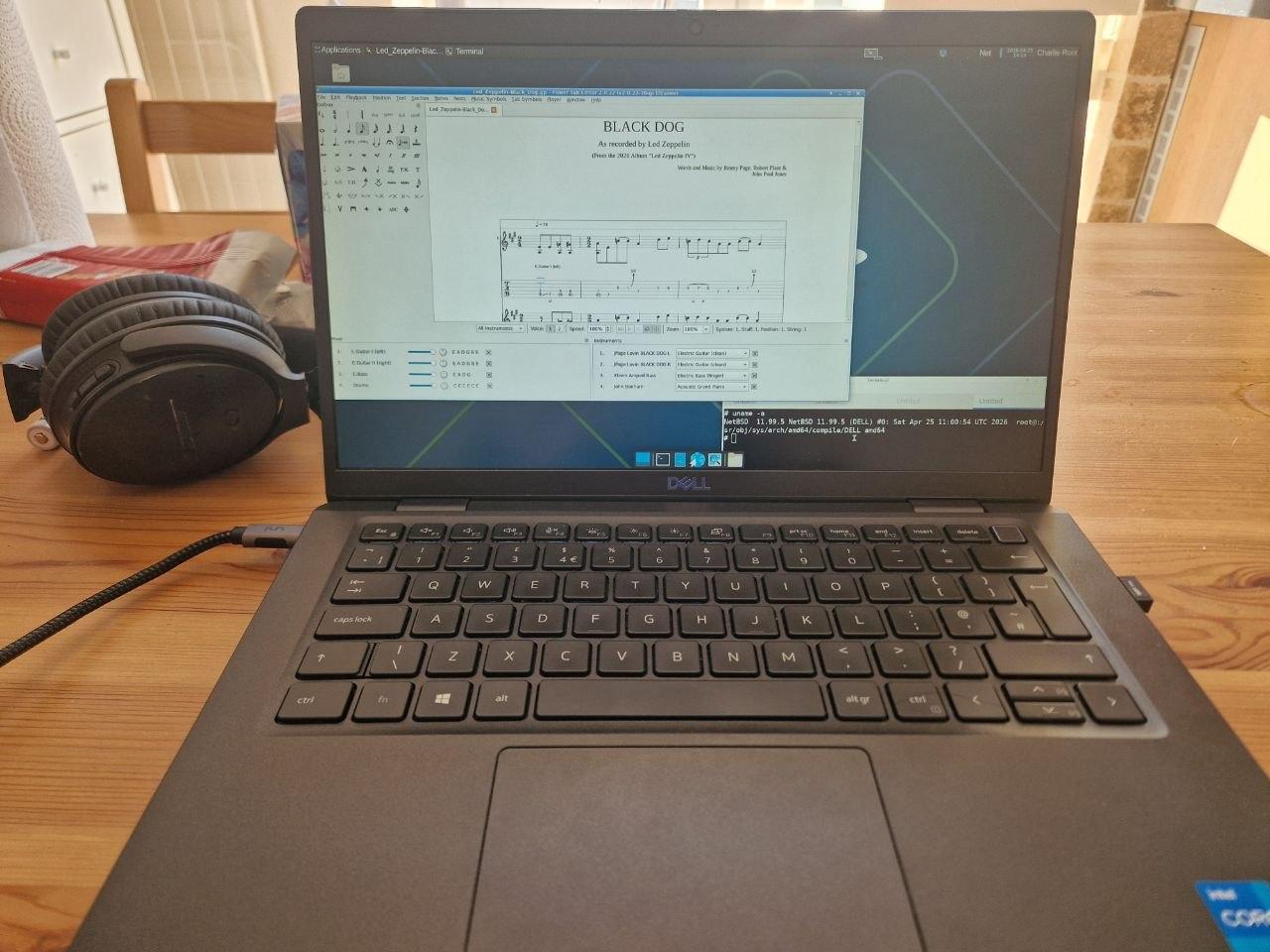
@nina_kali_nina First time I've heard of PowerTab, is it any good? Only thing I've ever used is Guitar Pro.
@woe2you I haven't used it before this day; I've been using TuxGuitar, but I gave up on making it work under NetBSD. It seems PowerTab is legit, but I couldn't open some gp3-gp5 files with it, unfortunately.
-
@nina_kali_nina Important question: do you feel more queer yet?
@pawv 1000%
-
A-ha one: choosing a laptop based on what operating system you want to run on it is not wrong.
Reasoning: I got so used to Linux running on most, if not all, laptops that "oh, NetBSD doesn't support this hardware" made me feel feelings.
The feelings were familiar, because I've been there with Linux some ten+ years ago.
Reflecting on those feelings, I noticed that people generally have no issue with buying a specific subset of laptop models if they plan to run Mac OS, or specific make of phones if they intend to run Graphene OS and such. If this is fine, then picking laptop specs for NetBSD is a given. If anything, there are more devices that can run NetBSD than there are devices that can run Mac OS.
@nina_kali_nina
Back in the day, NetBSD did run on close to everything. And then some.I'm curious: What problems did you run into? And what window manager are you running there?
-
@pawv 1000%
-
@nina_kali_nina I've never used it but isn't NetBSD the one with the slogan "of course it runs NetBSD"? I guess that dates from an era with a lot more diversity of processors and fewer cameras, power controllers, track pads, wireless cards that need drivers
@nina_kali_nina and I guess more generally, it supports a diversity of the kind of hardware you have in a server or a router than what you have in a typical laptop
-
@nina_kali_nina I've never used it but isn't NetBSD the one with the slogan "of course it runs NetBSD"? I guess that dates from an era with a lot more diversity of processors and fewer cameras, power controllers, track pads, wireless cards that need drivers
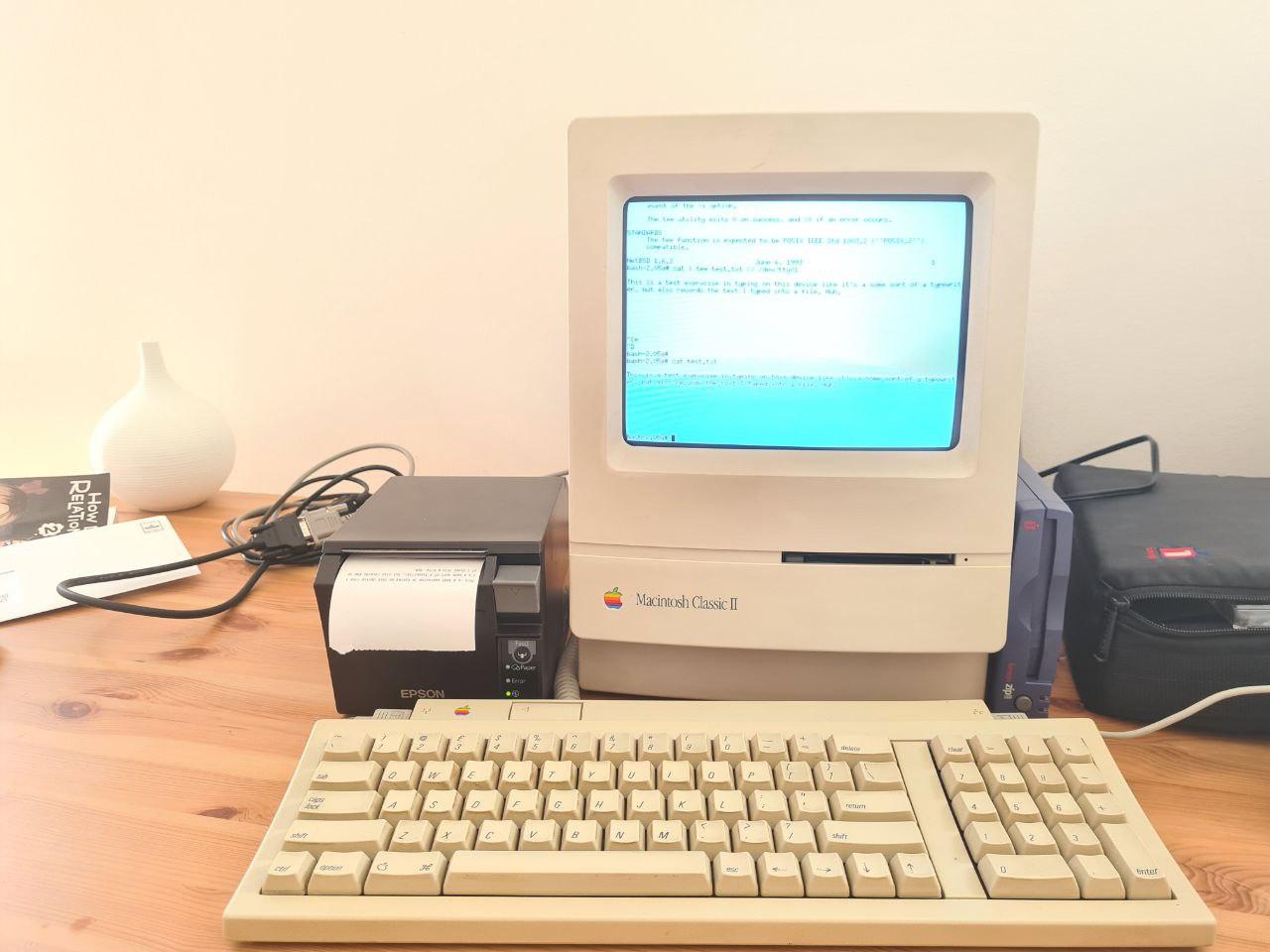
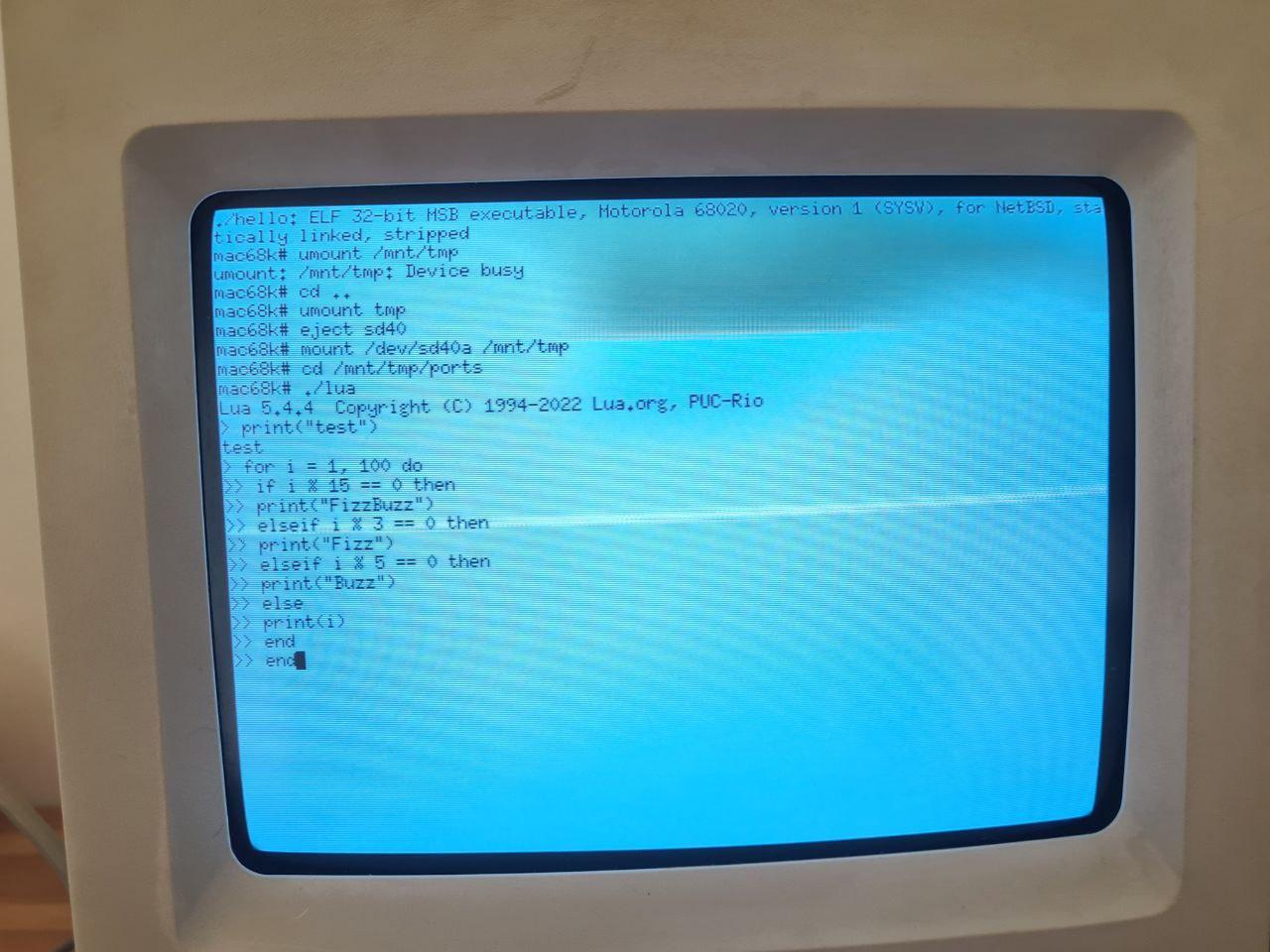
@lydiafacts "of course it runs NetBSD" is generally true. I run NetBSD on my Macintosh Classic II. But there's a world of difference between "I have ksh" and "latest Firefox can play 4K video at 60 fps over 5GHz WiFi"
-
@nina_kali_nina
Back in the day, NetBSD did run on close to everything. And then some.I'm curious: What problems did you run into? And what window manager are you running there?
@musevg I'll get to this shortly, in this thread

-
@nina_kali_nina and I guess more generally, it supports a diversity of the kind of hardware you have in a server or a router than what you have in a typical laptop
@lydiafacts yep yep!
-
A-ha two: it is important to see beyond the "project branding"
A few days ago I got really frustrated by hardware virtualisation crashing the guest OS while running under NetBSD. "Oh COME ON, the NetBSD project should've done a better job at implementing their hypervisor; I have no issues whatsoever with KVM under Linux on the same laptop", I thought at first.
And then I ended up on a homepage of nvmm, NetBSD's hypervisor. It reads:
> Six months ago, I told myself I would write a small hypervisor for an old x86 AMD CPU I had. Just to learn more about virtualization, and see how far I could go alone on my spare time.
So, yeah, it is provided by "The NetBSD project", but is mostly results of a work of a single person.
And this changes everything, it's not "yikes, such a buggy thing, this corporation could've done better", it's "wow this person is legendary, I sure can work around my own limitations to leverage the results of their work, lots of respect".
A quick summary of the OSes I have on my laptop now, as a checklist:
-- Debian 12 "Bookworm"
[+] Graphical desktop (XFCE my beloved)
[+] WiFi
[+] Accelerated video (smooth scrolling and 60fps video)
[+] Graphics software (Krita, GNU IMP)
[+] Music software - DAW (LMMS)
[+] Music software - guitar (TuxGuitar, PowerTab)
[+] Emulation (can run DOS 1.0-Windows 10, very fast)
[+] WineVery stable, can do everything I need.
-- OpenBSD 7.9
[+] Desktop
[+] WiFi
[+] Accelerated video
[+] Krita, graphic tablet support
[+] LMMS
[ ] No guitar soft
[±] No Windows emulation beyond DosBox
[ ] No wine-- NetBSD 11
"-" means unstable to the point of being unusable
[+] Desktop - the same XFCE
[±] WiFi
[ ] Accelerated video
[+] Krita
[+] LMMS
[-] Guitar soft
[±] Emulation (either unstable or slow)
[±] Wine (unstable)So far, OpenBSD has been the most stable of the three, but it is impossible to make emulation working in it. NetBSD is promising, and it is a rewarding learning experience, but I can't daily-drive it yet
-
@woe2you I haven't used it before this day; I've been using TuxGuitar, but I gave up on making it work under NetBSD. It seems PowerTab is legit, but I couldn't open some gp3-gp5 files with it, unfortunately.
@nina_kali_nina Thanks for taking the time to answer this tangent for me, I know it wasn't your main focus.
-
A quick summary of the OSes I have on my laptop now, as a checklist:
-- Debian 12 "Bookworm"
[+] Graphical desktop (XFCE my beloved)
[+] WiFi
[+] Accelerated video (smooth scrolling and 60fps video)
[+] Graphics software (Krita, GNU IMP)
[+] Music software - DAW (LMMS)
[+] Music software - guitar (TuxGuitar, PowerTab)
[+] Emulation (can run DOS 1.0-Windows 10, very fast)
[+] WineVery stable, can do everything I need.
-- OpenBSD 7.9
[+] Desktop
[+] WiFi
[+] Accelerated video
[+] Krita, graphic tablet support
[+] LMMS
[ ] No guitar soft
[±] No Windows emulation beyond DosBox
[ ] No wine-- NetBSD 11
"-" means unstable to the point of being unusable
[+] Desktop - the same XFCE
[±] WiFi
[ ] Accelerated video
[+] Krita
[+] LMMS
[-] Guitar soft
[±] Emulation (either unstable or slow)
[±] Wine (unstable)So far, OpenBSD has been the most stable of the three, but it is impossible to make emulation working in it. NetBSD is promising, and it is a rewarding learning experience, but I can't daily-drive it yet
Some people actually asked me: "Hold on, why won't you just use Debian, if everything works on it?"
I'm migrating from MacOS 14, the latest MacOS without AI. It is still receiving updates, and it probably will be fine/safe to use for another year. If the push comes to shove, I can update to MacOS 15 and get one extra year of support of software that is generally pre-genAI.
Debian Bookworm, the latest pre-major-genAI release, will get its last major update in June 2026, and will stop receiving LTS in June 2028.
In other words, if my reason for this move is "according to who there is no level of exposure to genai", then swapping from MacOS to Debian doesn't actually give me more time before the support for the last "safe-ish" version is dropped.
So, might as well bite the bullet now and go to BSDs. And it is increasingly looking like I might be able to get away with it without losing anything important to me in terms of computer functionality.
-
@nina_kali_nina Thanks for taking the time to answer this tangent for me, I know it wasn't your main focus.
@woe2you Ah, no probs! Note that neither Tux Guitar nor PowerTab use GuitarPro's "Real Sound Engine", so they sound as MIDI as your MIDI sequencer/soundfont.
-
Some people actually asked me: "Hold on, why won't you just use Debian, if everything works on it?"
I'm migrating from MacOS 14, the latest MacOS without AI. It is still receiving updates, and it probably will be fine/safe to use for another year. If the push comes to shove, I can update to MacOS 15 and get one extra year of support of software that is generally pre-genAI.
Debian Bookworm, the latest pre-major-genAI release, will get its last major update in June 2026, and will stop receiving LTS in June 2028.
In other words, if my reason for this move is "according to who there is no level of exposure to genai", then swapping from MacOS to Debian doesn't actually give me more time before the support for the last "safe-ish" version is dropped.
So, might as well bite the bullet now and go to BSDs. And it is increasingly looking like I might be able to get away with it without losing anything important to me in terms of computer functionality.
@nina_kali_nina I like how you are approaching this - I'm on a similar path...Debian 13 is comfortable, I don't have to abandon it to plan a transition to the BSD's (in my case, I'm looking at NetBSD for the most part right now)
-
R relay@relay.infosec.exchange shared this topic
-
A quick summary of the OSes I have on my laptop now, as a checklist:
-- Debian 12 "Bookworm"
[+] Graphical desktop (XFCE my beloved)
[+] WiFi
[+] Accelerated video (smooth scrolling and 60fps video)
[+] Graphics software (Krita, GNU IMP)
[+] Music software - DAW (LMMS)
[+] Music software - guitar (TuxGuitar, PowerTab)
[+] Emulation (can run DOS 1.0-Windows 10, very fast)
[+] WineVery stable, can do everything I need.
-- OpenBSD 7.9
[+] Desktop
[+] WiFi
[+] Accelerated video
[+] Krita, graphic tablet support
[+] LMMS
[ ] No guitar soft
[±] No Windows emulation beyond DosBox
[ ] No wine-- NetBSD 11
"-" means unstable to the point of being unusable
[+] Desktop - the same XFCE
[±] WiFi
[ ] Accelerated video
[+] Krita
[+] LMMS
[-] Guitar soft
[±] Emulation (either unstable or slow)
[±] Wine (unstable)So far, OpenBSD has been the most stable of the three, but it is impossible to make emulation working in it. NetBSD is promising, and it is a rewarding learning experience, but I can't daily-drive it yet
@nina_kali_nina
How well does OpenBSD fare with the DOSBox forks that can emulate Windows 95 (i.e Dosbox-X)?
Have considered using Dosbox-X on Linux because I don't like Wine, but the official Debian and Flathub builds kept crashing whenever I resized the window. -
Some people actually asked me: "Hold on, why won't you just use Debian, if everything works on it?"
I'm migrating from MacOS 14, the latest MacOS without AI. It is still receiving updates, and it probably will be fine/safe to use for another year. If the push comes to shove, I can update to MacOS 15 and get one extra year of support of software that is generally pre-genAI.
Debian Bookworm, the latest pre-major-genAI release, will get its last major update in June 2026, and will stop receiving LTS in June 2028.
In other words, if my reason for this move is "according to who there is no level of exposure to genai", then swapping from MacOS to Debian doesn't actually give me more time before the support for the last "safe-ish" version is dropped.
So, might as well bite the bullet now and go to BSDs. And it is increasingly looking like I might be able to get away with it without losing anything important to me in terms of computer functionality.
@nina_kali_nina According to open-slopware, OpenBSD has a permissive AI policy. It's getting very hard to find an untainted OS.